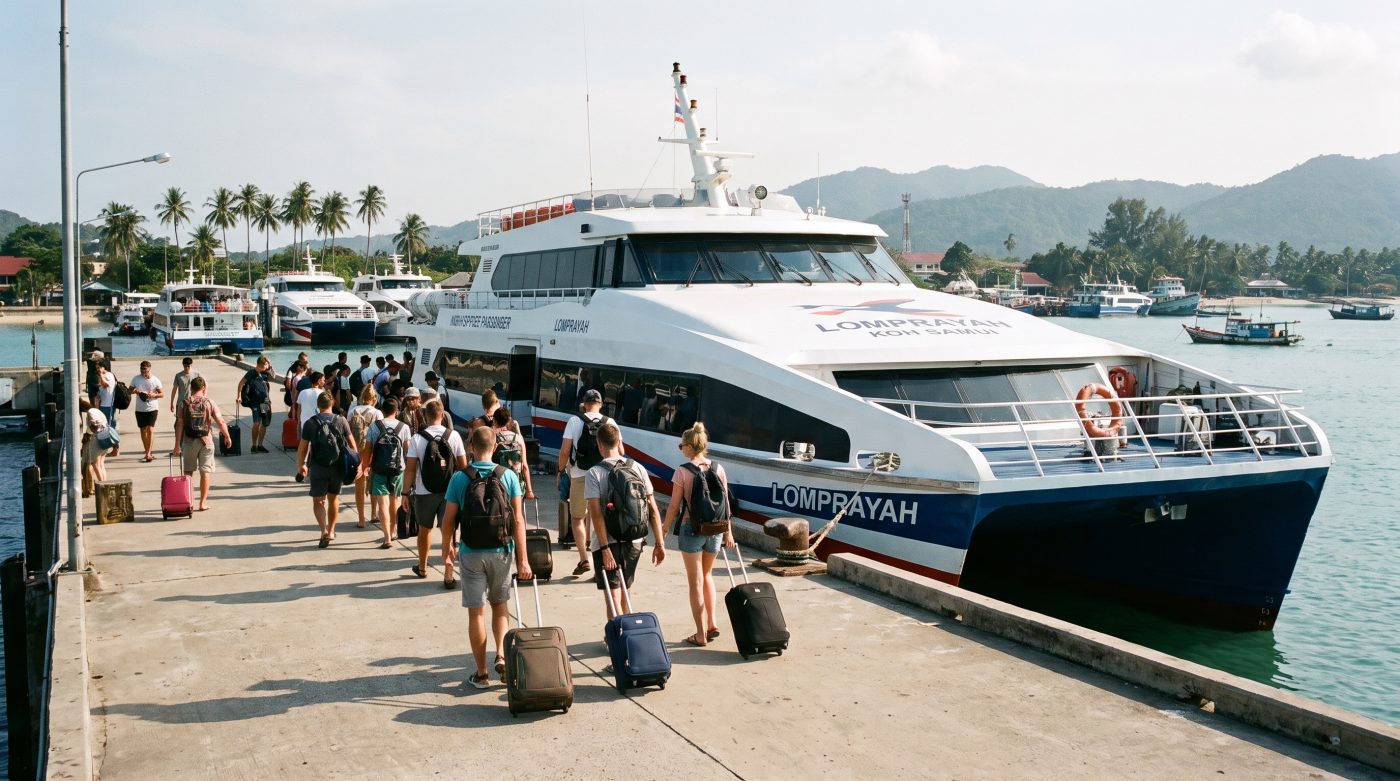
Is a Thailand Visa Run Still Allowed in 2026? Rules, Risks, and What Actually Works
Yes, a Thailand visa run (leaving the country and re-entering on a fresh visa-exempt stamp) is still technically legal in 2026 — but it doesn't work the way it did five years ago. Immigration now treats repeated land-border entries as a red flag, there's an unofficial cap of two visa-exempt land-border entries per calendar year, and the single most popular route — the Cambodia border — has been closed since June 2025 with no confirmed reopening date. If you're planning one, plan it like it's 2026, not 2016.
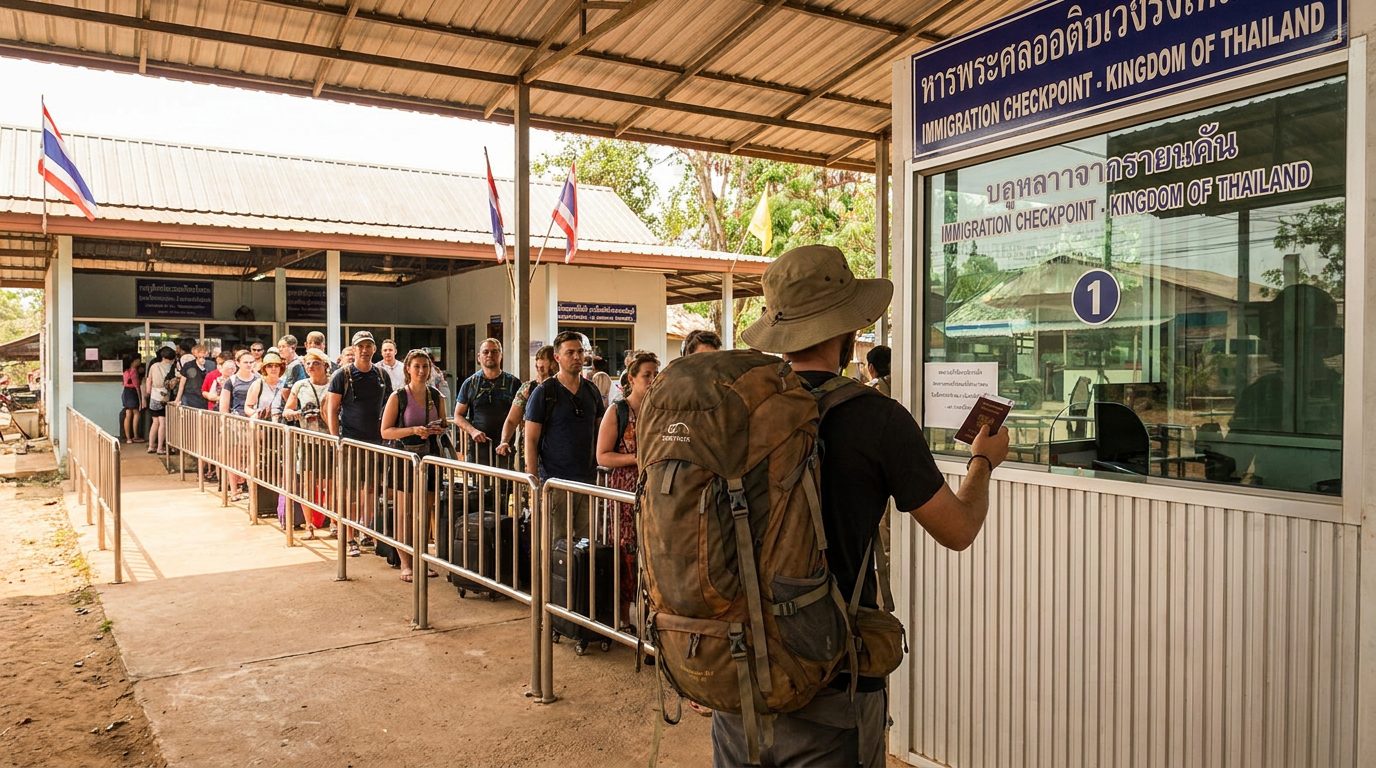
Visa run vs. border run — what's the actual difference?
The terms get used interchangeably, but they're not quite the same thing. A border run is a same-day (or overnight) trip out of Thailand and back in, purely to get a fresh visa-exemption or visa-on-arrival stamp at re-entry — no visa is applied for, you're just re-triggering the exemption. A visa run more precisely means leaving Thailand to apply for an actual visa (a tourist visa, DTV, or similar) at a Thai consulate or embassy abroad, then re-entering on that visa. Most people doing quick Cambodia or Laos hops for a day are technically doing a border run, even though "visa run" is the term that stuck in everyday use. This guide covers both, since the risks and rules overlap heavily.
Is it still legal in 2026? What actually changed
Border runs themselves were never illegal — nothing in Thai law says you can't leave and re-enter. What changed is enforcement. Thai immigration has run a public campaign nicknamed the "3 NOs" policy through 2026: No Entry (screening out suspicious patterns at the border), No Stay (targeting overstayers and visa-condition violations already inside the country), and No Escape (coordinated raids using data analysis across roughly 190 target zones nationwide, concentrated around Pattaya/Chonburi). Between January and May 2026 alone, immigration reports denying entry to 29,490 foreigners, placing over 169,000 names on pre-screening watchlists, and deporting more than 14,000 overstayers and illegal workers.
The legal basis for turning someone away isn't new — it traces back to a 2014 immigration order that gives officers discretion to deny entry to anyone who can't show a "valid reason" for repeated stays. What's different in 2026 is that officers are now actively pulling up full passport histories at the counter and using that discretion far more often against people whose entry pattern looks like continuous residency rather than tourism.
The unofficial two-border-runs-a-year limit
There's no published statute that says "two per year" — but in practice, that's the number every immigration lawyer and long-term expat in Thailand will tell you to plan around for visa-exempt land-border entries. Land crossings (as opposed to flying) get the most scrutiny, and Poipet on the Cambodia border has historically had the highest rejection rate for travelers who can't explain their pattern. Immigration is explicitly looking at: how many times you've re-entered on a tourist/exemption basis in the same calendar year, whether your stays look like tourism or full-time residency, and whether you've stacked a border run right after a 7-day overstay extension (a pattern flagged as an especially fast way to get an entry refused).
None of this means a single, occasional border run gets you interrogated. It means the old strategy of hopping the border every 30-60 days indefinitely to live in Thailand without a proper visa is now a genuinely risky bet, not a loophole.
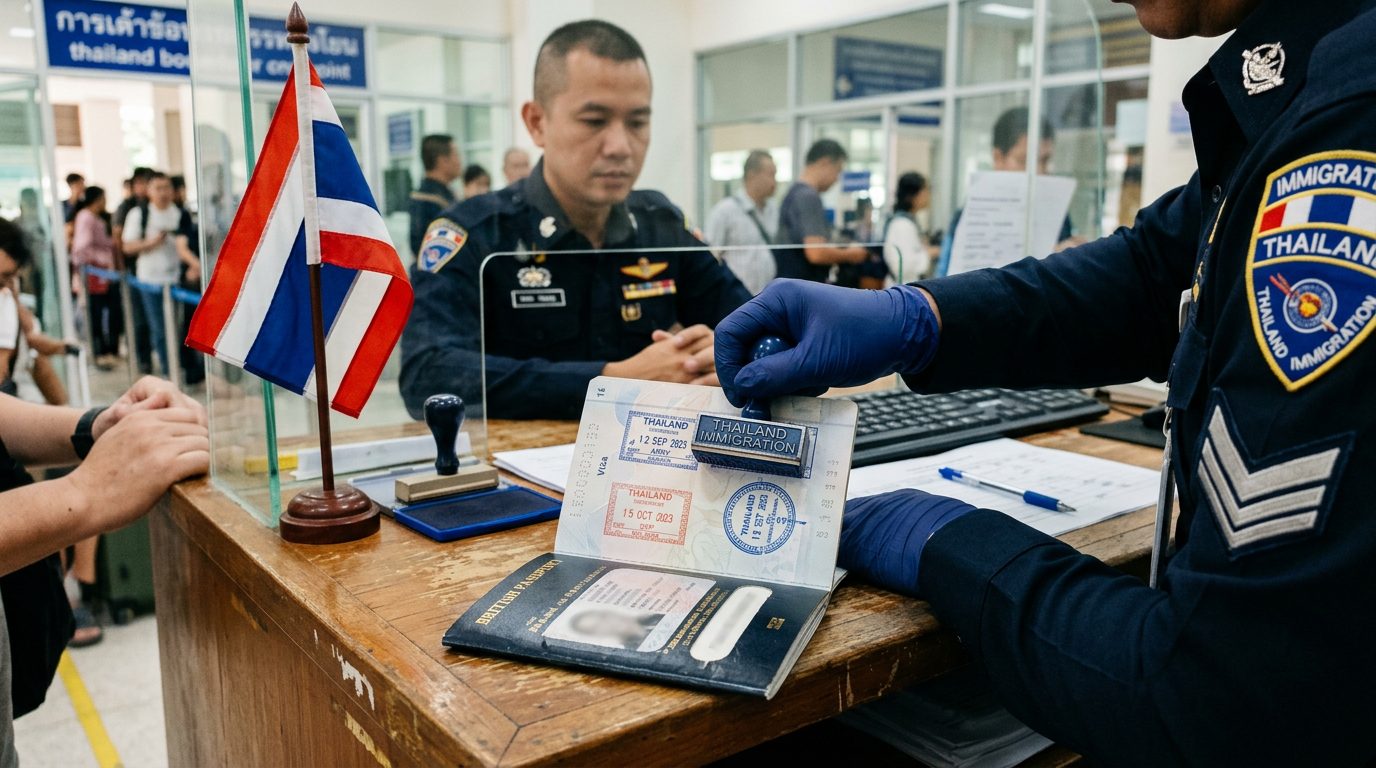
Time-sensitive: the Cambodia land border is currently closed
Verify this before you plan anything. The Thailand-Cambodia land border (including the Poipet/Aranyaprathet crossing that most Bangkok-based border runs used) has been closed since fighting broke out in June 2025. As of the most recent reporting checked for this article (late July 2026), officials on both sides describe the border as still fully closed with no reopening timeline agreed, despite a fragile ceasefire. This situation has changed multiple times already and could change again with no notice — check current Thai and Cambodian government travel advisories, or a Bangkok-based visa agent, before you build a trip around this crossing.
Practically, this means the classic "day trip to Poipet" is off the table for now. Flights between Bangkok and Phnom Penh or Siem Reap are reported to be operating normally, so flying is currently the only way to use Cambodia for a border run — and flying tends to draw less scrutiny than repeated land crossings anyway.
Where you can still do a land border run
- Laos, via Nong Khai — the Thai-Lao Friendship Bridge to Vientiane. The most common land route from northeastern Thailand or as an overnight trip from Bangkok (overnight train to Nong Khai, then cross).
- Laos, via Mukdahan to Savannakhet. A second Friendship Bridge crossing, useful if you're coming from Isaan rather than central Thailand.
- Malaysia, via Padang Besar or Sadao/Bukit Kayu Hitam. The standard southern routes from Hat Yai, generally used by travelers based in southern Thailand or doing a Penang visa-application trip.
None of these are risk-free — the same "does your pattern look like tourism" scrutiny applies at every land crossing, not just Cambodia's. But they're the routes still physically open as of this writing.
The 20,000 baht cash rule — the part people get caught out by
Thai immigration has long had a proof-of-funds requirement on the books — officially 20,000 THB per person (40,000 THB per family) in cash, or the equivalent in a major foreign currency. It was rarely enforced for years. In 2026, multiple visa-service sources report officers using it far more actively, specifically against travelers whose entry pattern looks like a border run or long-term stay rather than a one-off holiday. The catch: a bank app, a screenshot of a balance, or even a genuinely large crypto wallet does not satisfy the requirement if an officer chooses to enforce it — it has to be physical cash (or the equivalent in a currency like USD, EUR, or GBP) you can actually show at the counter. If you're doing a border run, carrying the cash isn't optional insurance, it's a real, low-effort way to avoid an easy excuse for a refusal.
What actually happens if immigration flags you
Real reports from travelers (including discussion on a Thailand-focused TripAdvisor forum thread about someone planning repeated 6-month-in/6-month-out cycles using border runs and extensions) describe a range of outcomes rather than one fixed penalty: extra questions at the counter about your onward plans and finances, a shorter-than-usual stamp validity instead of the full exemption period, or in more pattern-heavy cases, outright entry refusal and being sent back on the next available transport. One recurring warning from people who've been through it: back-to-back visa runs and extensions do show up in your immigration record, and officers are explicitly trained to look for exactly that pattern now. There's no fixed "three strikes" number publicly confirmed — it comes down to officer discretion on the day, which is exactly why this has gotten riskier to predict than it used to be.
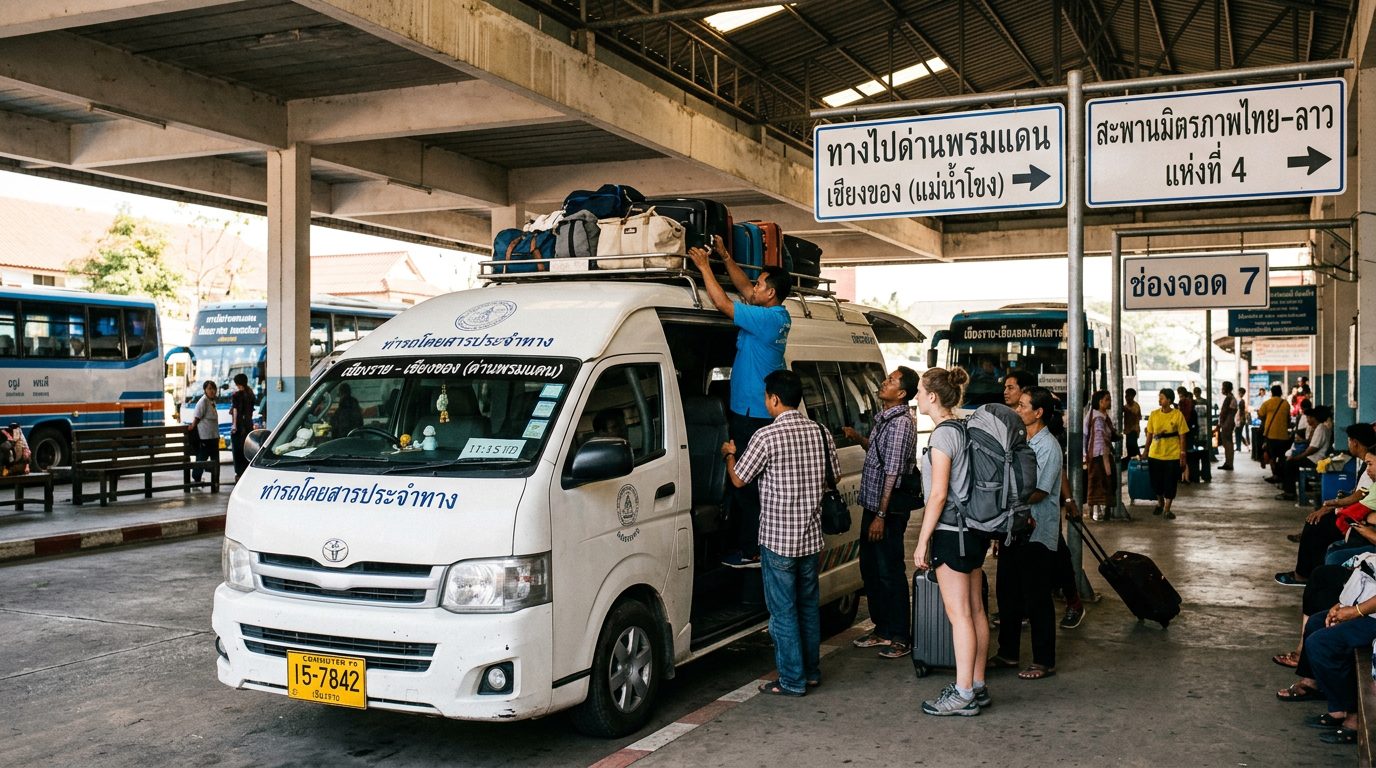
If you're doing this to live in Thailand long-term, a border run probably isn't the right tool anymore
For a single extra trip — extending a holiday by a couple of weeks, or timing a re-entry around a flight you already had booked — an occasional border run is still a normal, low-risk thing plenty of tourists do. But if the actual goal is living in Thailand for months or years at a time, 2026's enforcement climate makes a real visa a much safer plan than repeated exemption resets. Depending on your situation, that's usually one of:
- The Destination Thailand Visa (DTV) for remote workers and digital nomads — multi-year validity with periodic re-entries built in, not a workaround.
- A proper multiple-entry tourist visa applied for at a Thai consulate before you travel, rather than relying on the visa-exemption stamp entirely.
- A single visa-exemption or e-visa entry for the length of stay it's actually designed for, then a proper extension at an immigration office rather than a border run, for a shorter top-up.
And if you haven't filled out the Thailand Digital Arrival Card (TDAC) for your most recent entry, or you're trying to track exactly how many exemption days you're currently entitled to under the 2026 60-day vs. 30-day exemption changes, both of those are worth reading before you plan any kind of border trip.
If you do go ahead with a border run: how it actually works
For the land routes still open, the mechanics are straightforward: get to the border town, walk (or drive) through Thai exit immigration, cross into the neighboring country's entry checkpoint (sometimes just a formality, sometimes a real stamp), then turn around and go through that country's exit and Thailand's entry immigration to come back in on a fresh stamp. Same-day trips are realistic for Nong Khai/Vientiane and the southern Malaysia crossings if you leave early. Book the transport to and from the border ahead of time rather than arranging it on the spot at a bus station — it removes one more variable on a day where you want as few surprises as possible.
Pre-booking transport to and from a border crossing takes one uncertainty out of a day that already has enough of them.
Check transfer options to the border →Watch on VacaHack
Quick answers
Is a visa run still legal in Thailand in 2026?
Yes, leaving and re-entering Thailand is not illegal. What's changed is enforcement: immigration now reviews your full passport history and can deny entry or issue a shorter stamp if your pattern looks like continuous residency rather than tourism.
How many border runs can I do in a year in Thailand?
There's no published legal limit, but in practice immigration lawyers and long-term expats plan around an unofficial cap of two visa-exempt land-border entries per calendar year. This comes from enforcement discretion under a 2014 immigration order, not a specific published rule.
Can I still do a visa run to Cambodia in 2026?
Not by land right now. The Thailand-Cambodia land border, including the Poipet/Aranyaprathet crossing, has been closed since June 2025 due to a border conflict, with no confirmed reopening date as of this writing. Flights between Bangkok and Phnom Penh or Siem Reap are reported to be operating normally, so flying is currently the only way to use Cambodia for a border run. Verify current status before you travel, since this has changed more than once.
What happens if I do too many visa runs in Thailand?
Outcomes vary by officer discretion: extra questions about your finances and onward plans, a shorter-than-normal entry stamp, or in more pattern-heavy cases outright entry refusal. Real traveler reports confirm that back-to-back visa runs and extensions show up in your immigration record and are actively flagged.
Do I need 20,000 baht in cash to enter Thailand?
It's an official proof-of-funds requirement (20,000 THB per person, 40,000 THB per family, or the equivalent in a major foreign currency) that's being enforced more actively in 2026, especially against travelers who look like they're doing a border run. It must be physical cash or cash-equivalent shown at the counter — a bank app or crypto balance doesn't count if an officer chooses to enforce it.
What's the difference between a visa run and a border run?
A border run is a same-day or overnight trip out of Thailand and back purely to reset your visa-exemption stamp. A visa run technically means leaving Thailand to apply for an actual visa at a consulate abroad, then re-entering on that visa. The terms are used interchangeably in everyday conversation, but they're different processes with different risk levels.