Thailand's 60-Day vs. 30-Day Visa Exemption: What's Actually Changed (And What Hasn't)
Right now, as of early August 2026, Thailand is still stamping most tourists in for 60 days visa-free. A 30-day version has been approved on paper but is not law yet — and when it does take effect, most nationalities (including India) are set to land on 30 days, not the 15-day or visa-on-arrival tiers that were briefly floated for some countries. Here is exactly what is confirmed, what is still pending, and what to actually check before you book a long trip.
What's actually in effect right now
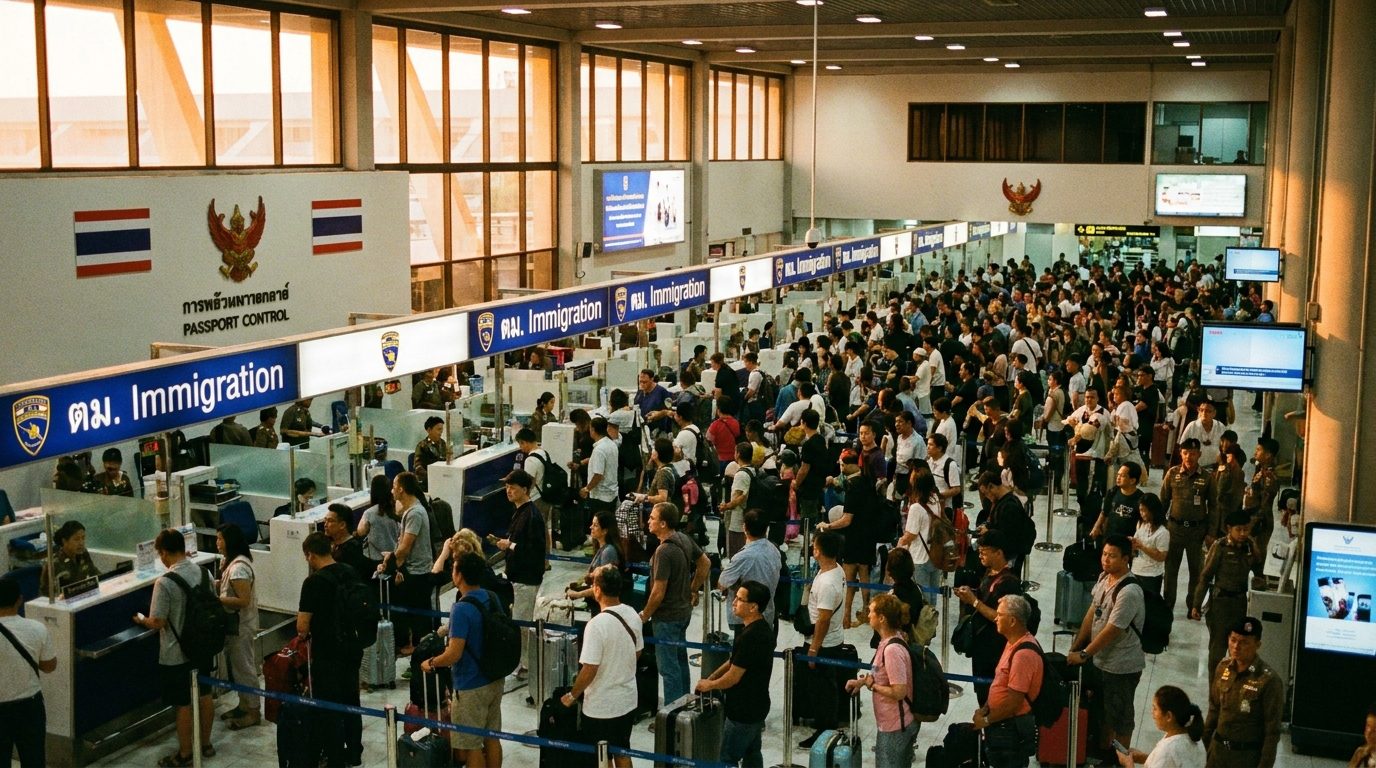
If you're flying to Thailand in the next few weeks, the rule that matters is the one still on the books: eligible passport holders (most of Europe, North America, Australia, New Zealand, most of Asia, and more) get 60 days visa-free on arrival, the same as it's been since the exemption was extended from 30 to 60 days back in 2024. That has not changed yet, despite a wave of headlines since May 2026 saying otherwise.
What has happened is a Cabinet-level decision to replace it — but a Cabinet decision is a policy direction, not a law. In Thailand, a change like this only takes effect after it's published in the Royal Gazette, and then 15 days after that publication date. As of the most recent checks on this, that publication still hadn't happened. Immigration officers and embassy staff have reportedly given inconsistent answers when travelers ask directly, which lines up with what shows up in traveler forums — more on that below.
What's actually changing, once it's official
The approved framework moves Thailand from a single blanket rule to a "one country, one category" system, sorting every eligible nationality into exactly one of three tiers:
- 30-day visa exemption — the large majority of currently-eligible countries, including the US, UK, all 27 EU member states, Australia, Canada, New Zealand, Japan, South Korea, and India.
- 15-day visa exemption — a short list, currently just Mauritius and Seychelles.
- Visa on Arrival — shrinking to only three countries: Azerbaijan, Belarus, and Serbia.
So for the vast majority of travelers reading this, the practical change is simple: the same visa-free entry you get today just gets shorter, from 60 days to 30. Nothing about needing to apply for anything in advance changes for that group.
The India story is worth knowing, because it shows how fast this can still move
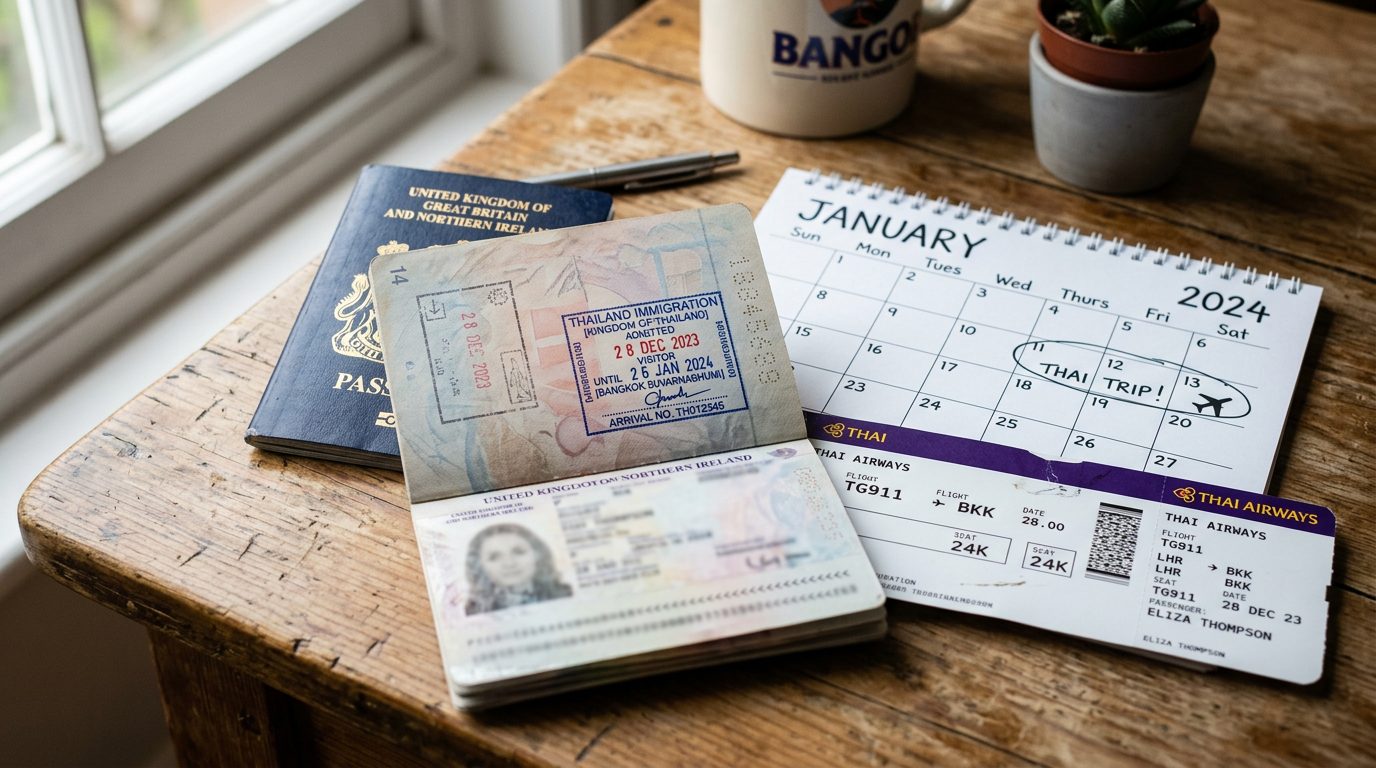
India is a useful case study in how unsettled this whole process still is. The original May 2026 Cabinet proposal reportedly would have dropped India from its current visa-exempt status down to a 15-day Visa on Arrival — a significant downgrade for Thailand's third-largest source market. That specific piece was reversed in mid-July 2026 after pushback tied to its impact on Indian tourist arrivals. As the framework stands now, India keeps visa-exempt treatment (currently 60 days, moving to 30 once the new rule is published) with no Visa on Arrival step required.
The point isn't the India detail specifically — it's that a plan approved by Cabinet in May had already been revised by mid-July, country by country. If you're reading this more than a few weeks after it was published, treat every specific figure here as "last confirmed as of this date" and verify it again before you fly, ideally directly against Thailand's Ministry of Foreign Affairs site or your nearest Thai embassy, rather than a random blog post (including this one).
What real travelers are actually confused about
Pulling from current discussion on Thailand-focused travel forums, the confusion isn't really about the 60-vs-30 number itself — it's about timing and what happens to trips already booked. Common questions people are actually asking:
- "I already bought a ticket assuming 60 days — if the rule changes before I fly, does the shorter limit apply to me?" The honest answer: nobody outside Thai immigration can promise this with certainty until the Gazette notice is published, since that notice is what will spell out whether it applies to arrivals after a cutoff date regardless of when the ticket was bought. Historically, Thailand has applied exemption-length changes based on arrival date, not booking date, but always double check the Gazette wording once it's live.
- "Does a shorter exemption window affect Proof of Onward Travel checks?" Airlines and immigration can already ask for onward/return travel proof at check-in or arrival. A shorter exemption window doesn't change that requirement, but it does mean the return or onward ticket you show needs to fall inside whichever window actually applies to you.
- "Is this rumor or is it real?" As of publication, it's real in the sense that Cabinet has approved it, but not real in the sense of being enforceable law yet. Both things are true at once, which is exactly why forum threads on this topic are full of people talking past each other.
What doesn't change either way
A few things stay the same regardless of which exemption length ends up applying to you:
- The Thailand Digital Arrival Card (TDAC) requirement is separate from the exemption-length debate and isn't affected by it.
- Overstay penalties (fines scaling with days overstayed, and re-entry bans for longer overstays) still apply the same way — they're based on whatever your actual permitted stay was, not a fixed number.
- Immigration has been tightening scrutiny of travelers doing frequent back-to-back visa-exempt entries (so-called visa runs) since late 2025, independent of this specific day-count change. If that's part of your plan, budget extra time for questioning at the border either way.
One thing that's genuinely unclear right now: whether the existing 1,900 THB single 30-day extension available at Thai immigration offices (which currently stretches a 60-day exemption to a maximum 90 days) will carry over unchanged once the base exemption itself is 30 days, or whether the extension terms get adjusted too. None of the sources checked for this article spelled that out explicitly — it's worth asking directly at an immigration office once the new rule is actually in force, rather than assuming the current extension math still applies.
How to actually check before you fly
Given how much this has moved between May and now, don't rely on any single article — including this one — as your final source close to a trip. The most reliable places to verify the live rule are Thailand's Ministry of Foreign Affairs site, your nearest Royal Thai Embassy or consulate, or the immigration counter question directly with your airline before departure, since airlines will deny boarding for passengers who don't meet current entry requirements. If you're weighing whether a longer stay actually needs more than a tourist exemption, the visa exemption vs. e-visa vs. visa-on-arrival guide breaks down the other entry options.
▶Watch on VacaHack
Quick answers
Is Thailand still giving 60 days visa-free right now?
Yes, as of early August 2026. Thailand's Cabinet approved a plan to cut the exemption to 30 days, but the change has not been published in the Royal Gazette yet, so the current 60-day rule remains in force at the border until that happens.
When does Thailand's 30-day visa exemption rule actually take effect?
It takes effect 15 days after the relevant announcements are published in the Royal Gazette. As of the most recent checks, that publication hadn't happened yet, so there is no confirmed start date. Check Thailand's Ministry of Foreign Affairs site close to your travel date.
Will I get 60 days or 30 days if I already booked a long trip to Thailand?
It depends on your arrival date relative to whenever the new rule takes effect, not your booking date. Thailand has historically applied exemption-length changes based on arrival date. Re-check the confirmed effective date before you fly if your trip is close to the transition.
Do Indian citizens need a Visa on Arrival for Thailand?
No. An earlier version of the proposal would have downgraded India to a 15-day Visa on Arrival, but that was reversed in mid-July 2026. India currently keeps standard visa-exempt treatment (60 days now, moving to 30 once the new framework is in force), with no Visa on Arrival step.
Which countries will still get more than 30 days visa-free in Thailand?
Under the approved framework, no country keeps 60 days long-term — the only variation is 30 days for the large majority of eligible nationalities, 15 days for Mauritius and Seychelles, or Visa on Arrival for Azerbaijan, Belarus, and Serbia.
Can I still extend a Thailand visa exemption at an immigration office?
Yes, extensions remain available for a fee at Thai immigration offices. It's currently unclear whether the extension length and cost will change once the base exemption itself drops to 30 days — confirm the current terms directly at an immigration office once the new rule is in force.