Do You Need a Visa for Thailand? Visa Exemption, E-Visa, and Visa-on-Arrival Explained
For most travelers — US, UK, EU, Canadian, Australian, Japanese, and roughly 90 other passports — you do not need to apply for anything before you fly to Thailand. You get an automatic visa exemption stamp at immigration. But "do I need a visa" actually has three possible answers depending on your nationality and how long you want to stay, and one of Thailand's entry rules is genuinely mid-change right now, so it's worth two minutes to get this right before you book.
The three ways to enter Thailand
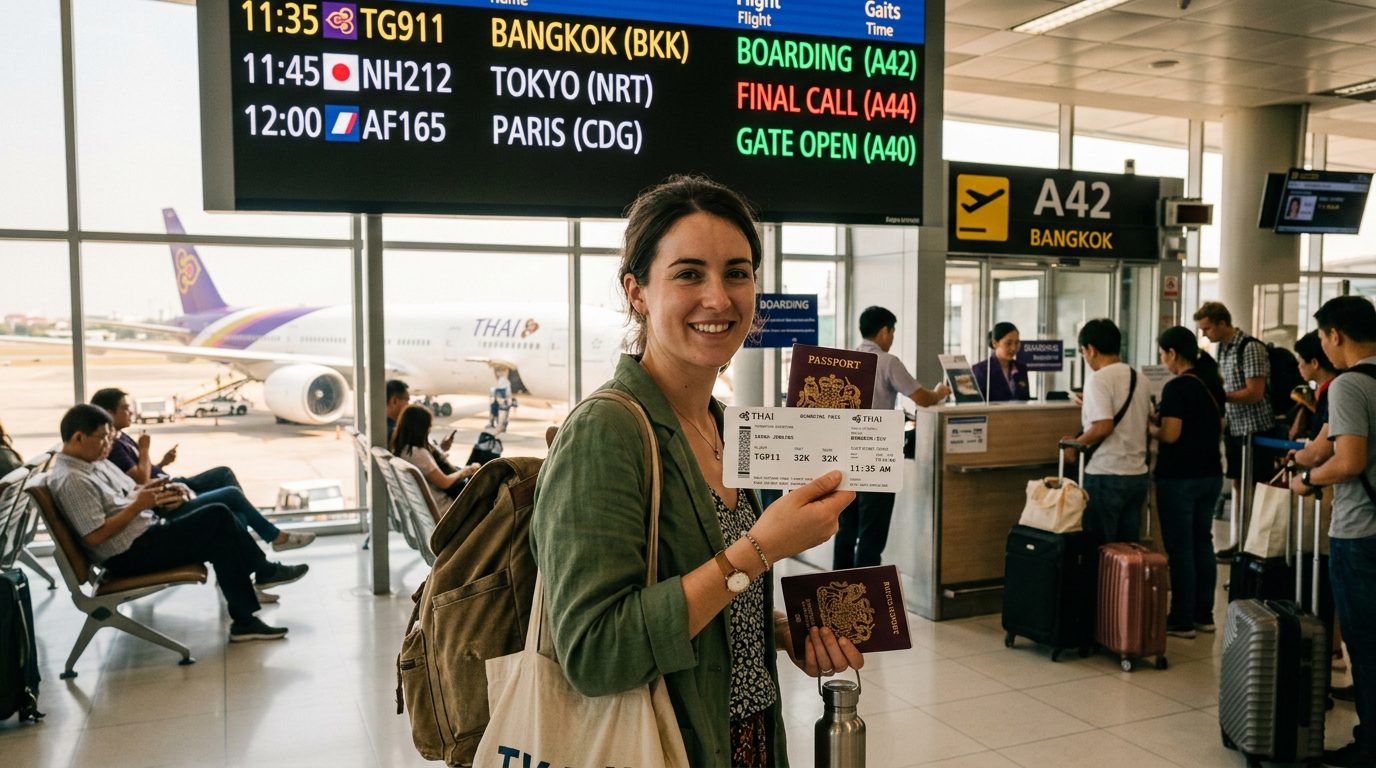
Thailand's entry system has three separate tracks, and only one applies to you:
- Visa exemption — the default for around 93 nationalities. No application, no fee, no advance paperwork. You simply land, complete Thailand's arrival requirements (below), and get a stamp for a set number of days.
- e-Visa — an online application submitted before you fly, for anyone who needs longer or a different kind of stay than visa exemption allows: non-immigrant visas, education visas, retirement (O-A) visas, business visas, and multiple-entry tourist visas all go through Thailand's official e-Visa portal.
- Visa on Arrival (VOA) — a small, shrinking list of nationalities that aren't visa-exempt can apply for a short-stay visa at the airport or land border itself, paying a fee on the spot.
Visa exemption: who gets it, and for how long right now
As of today, the standard visa-exemption stay for most exempt nationalities — including the US, UK, EU countries, Canada, Australia, and Japan — is 60 days, extendable once at a Thai immigration office for an extra 30 days for a 1,900 baht fee. Some neighboring ASEAN nationalities (Malaysia, Singapore, Vietnam, Indonesia, Philippines, and others) get different allowances under separate regional and bilateral arrangements, some running up to 90 days.
The change coming — and why you should check close to your travel date, not your booking date
Here's the part that's actively in motion: Thailand's Cabinet approved a significant rollback of this system on May 19, 2026. Once it's formally published in the Royal Gazette (plus a further 15-day wait after that), the framework is set to become:
- 30 days visa-free for most of the roughly 54 nationalities that currently get 60 days
- 15 days visa-free for a small number of nationalities (reported as Maldives, Mauritius, and Seychelles)
- Visa on Arrival cut from 31 countries to just 3 (Azerbaijan, Belarus, and Serbia), each getting 15 days
- India specifically was almost downgraded to that 15-day Visa on Arrival group under the original May 19 plan — but Thailand reversed that decision on July 14, 2026 after the proposal hit Indian tourist arrivals hard (India is Thailand's third-largest source market). India will instead join the 30-day visa-exemption group once the framework takes effect, staying visa-free rather than dropping to Visa on Arrival.
- Existing bilateral agreements (for example China's 30-day arrangement and South Korea's 90-day arrangement) are reported to stay unchanged
As of this post's publish date, none of this is in effect yet — the 60-day exemption is still legally what's being issued at the border, and the change is explicitly not retroactive, meaning anyone already in the country on a 60-day stamp keeps it. But because this is actively pending official publication, don't take any date in this article as gospel for your own trip: check Thailand's Ministry of Foreign Affairs site or your nearest Royal Thai Embassy a few days before you actually fly, not when you book. (Indian nationals specifically: as of this post's publish date you're still on the current 60-day visa-exempt scheme — not Visa on Arrival — and that continues until the new 30-day framework is formally published.)

E-Visa: when you actually need to apply in advance
If you're not covered by visa exemption, or you want a stay type exemption doesn't offer — a retirement visa, an education visa, a long-stay non-immigrant visa, a business visa, or a multiple-entry tourist visa — you apply through Thailand's official e-Visa portal before you travel. Expect to submit passport details, photos, proof of funds, a flight itinerary, and accommodation details, and to wait days to weeks depending on the visa type, so apply early rather than the week before you fly. Several of these categories (retirement and long-stay visas especially) also require proof of adequate health insurance as part of the application — worth sorting out well before you submit, since an incomplete application just costs you time.
If your visa route requires proof of travel or health insurance — or you'd simply rather not risk a Thai hospital bill on a tourist trip — SafetyWing's Nomad Insurance is simple to buy online and produces a policy document you can attach to an e-Visa application in minutes.
See SafetyWing Nomad Essential →Visa on Arrival: a shrinking option, and who it's actually for
VOA is for a specific, currently-larger list of nationalities that aren't visa-exempt but also don't need a full e-Visa for a short trip — think a tourist visit under 15 days. You apply on the spot at major airports and some land borders, pay a fee, and need proof of onward travel and sufficient funds. This is the option most affected by the pending rule change: it's set to shrink from roughly 31 eligible countries down to just 4, so if you've relied on VOA for Thailand before, this is exactly the kind of detail to re-confirm close to your travel date rather than assume still applies.
The Thailand Digital Arrival Card (TDAC) — required no matter which of the three applies to you
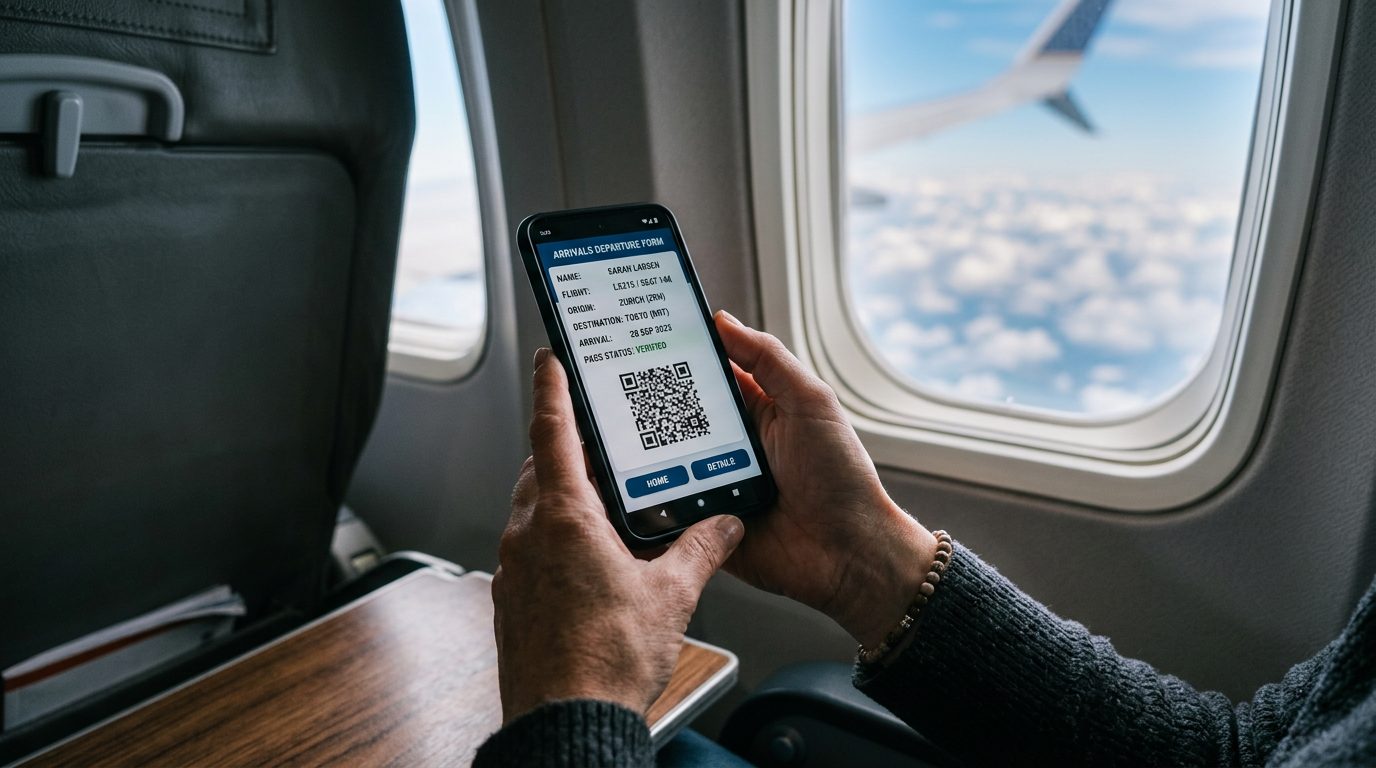
Regardless of visa exemption, e-Visa, or VOA, essentially everyone flying into Thailand now has to complete the Thailand Digital Arrival Card online before landing. It replaced the old paper TM6 card and asks for your passport details, flight and accommodation information, and a health declaration. Complete it within a few days of your flight (not weeks ahead, since some details need to match your actual itinerary), and keep the QR code it generates handy on your phone for the immigration desk.
- Complete it online 3 days or less before you fly, on Thailand's official TDAC site
- Make sure passport, name, and date details match your passport exactly — mismatches are a common cause of delays
- Screenshot the QR code confirmation so you're not relying on spotty arrival-hall wifi
So which one is actually yours?
- Check whether your passport is on Thailand's visa-exemption list, and for how many days — that covers the large majority of tourist trips under 60 days (soon 30, per the pending change).
- If you're staying longer, retiring, studying, working remotely long-term, or doing business, you almost certainly need an e-Visa — apply well ahead of your trip.
- If your nationality isn't exempt and your trip is short, check whether you're still on the Visa on Arrival list — this list is shrinking, so don't assume based on past trips.
- Whichever applies, complete the TDAC a few days before you fly — it's mandatory either way.
Booking flights to Thailand once your entry paperwork is sorted? Compare real-time fares on VacaHack's own flight search before you lock in dates.
Search Thailand flights →Watch on VacaHack
Quick answers
Do I need a visa to visit Thailand?
Most nationalities (around 93 countries, including the US, UK, EU, Canada, and Australia) do not need to apply for a visa in advance — you get an automatic visa-exemption stamp on arrival. Whether you need an e-Visa or Visa on Arrival instead depends on your passport and trip length.
How many days can I stay in Thailand without a visa?
As of this post’s publish date, most visa-exempt nationalities get 60 days, extendable once at an immigration office for 30 more days. A Cabinet-approved change would reduce this to 30 days for most countries once it takes effect — check official sources close to your travel date.
Is Thailand ending the 60-day visa exemption?
Thailand’s Cabinet approved a rollback on May 19, 2026 that would cut the standard exemption to 30 days (15 days for a few nationalities) and shrink Visa on Arrival from 31 to 4 countries. It is not yet in effect — it takes effect only after publication in the Royal Gazette plus a 15-day wait, and is not retroactive for travelers already in the country.
What is the Thailand Digital Arrival Card (TDAC)?
The TDAC is a mandatory online arrival form that replaced the old paper TM6 card. Nearly all travelers must complete it within a few days of their flight, then show the QR code it generates at immigration — this applies no matter which visa route you’re using.
Do I need travel insurance to enter Thailand?
Not for standard visa-exemption entry, but several e-Visa categories — including retirement and long-stay visas — require proof of adequate health insurance as part of the application, so it’s worth arranging before you apply.
Which countries need a visa on arrival for Thailand?
Currently a broader list of non-exempt nationalities can use Visa on Arrival, but a pending rule change would cut this list to just 3 countries (Azerbaijan, Belarus, and Serbia). India was nearly added to this list under an earlier proposal but was carved back out in July 2026 — confirm your own nationality’s status close to your travel date since this list is actively shrinking.
Do Indian tourists need a visa for Thailand?
Not right now — Indian nationals currently get the same 60-day visa-exempt entry as most Western passports. A May 2026 proposal would have downgraded India to a 15-day Visa on Arrival, but Thailand reversed that plan in July 2026 after it hit Indian tourist arrivals hard. Once the new framework is published, India will move to a 30-day visa exemption instead — shorter than today’s 60 days, but still visa-free rather than Visa on Arrival.