How Much Does a Month in Thailand Cost for a Digital Nomad?
A digital nomad in Thailand can realistically live on anywhere from about 35,000 baht (roughly $1,000) a month in a cheap apartment outside the center of Chiang Mai, up to 80,000-100,000 baht ($2,300-$2,900) a month for a comfortable one-bedroom condo in central Bangkok with a proper coworking membership — and the honest answer for most people lands somewhere in the middle of that range, closer to 45,000-65,000 baht ($1,300-$1,900), once rent, food, transport, internet, and health insurance are all actually counted.
That's a wide range on purpose. Scroll through enough forum threads and YouTube videos on this and you'll see wildly different numbers — some from people who own a house outright and others renting a studio near the BTS, some who eat Western food most nights and others who stick to street-food stalls. Below is a real, line-by-line breakdown so you can see where your own number actually lands depending on your city and habits, not just a single headline figure.

The quick answer, by city
- Chiang Mai, bare-bones: roughly 30,000-40,000 baht ($870-$1,160) — a basic studio outside Nimman, cooking some meals or eating street food, a cheap coworking day-pass habit instead of a full membership.
- Chiang Mai, comfortable: 45,000-60,000 baht ($1,300-$1,740) — a one-bedroom condo closer to the center, a real coworking membership, eating out most nights.
- Bangkok, bare-bones: 40,000-50,000 baht ($1,160-$1,450) — a small studio further from the BTS line, mostly street food and local restaurants.
- Bangkok, comfortable: 60,000-90,000+ baht ($1,740-$2,600+) — a one-bedroom condo near a BTS/MRT station, a coworking or serviced-office membership, a reasonable amount of eating out and nightlife.
- Islands (Koh Samui, Phuket): generally the most expensive option once you account for beachfront or near-beach rent, which tends to run 25,000-50,000+ baht on its own — workable, but rarely the budget pick.
These are ranges, not guarantees. A 2026 Bangkok cost-of-living breakdown from The Thaiger puts a "modest" single-person budget outside central Bangkok at 24,000-30,000 baht and a "comfortable" central-Bangkok life at 60,000-80,000 baht, while a separate Thaiger piece on Bangkok specifically walked through a real US$1,000-a-month (about 31,000 baht) setup near the BTS Green Line — so the spread you'll see quoted really does run that wide depending on exactly where you draw the "comfortable" line.
Rent: the single biggest swing factor
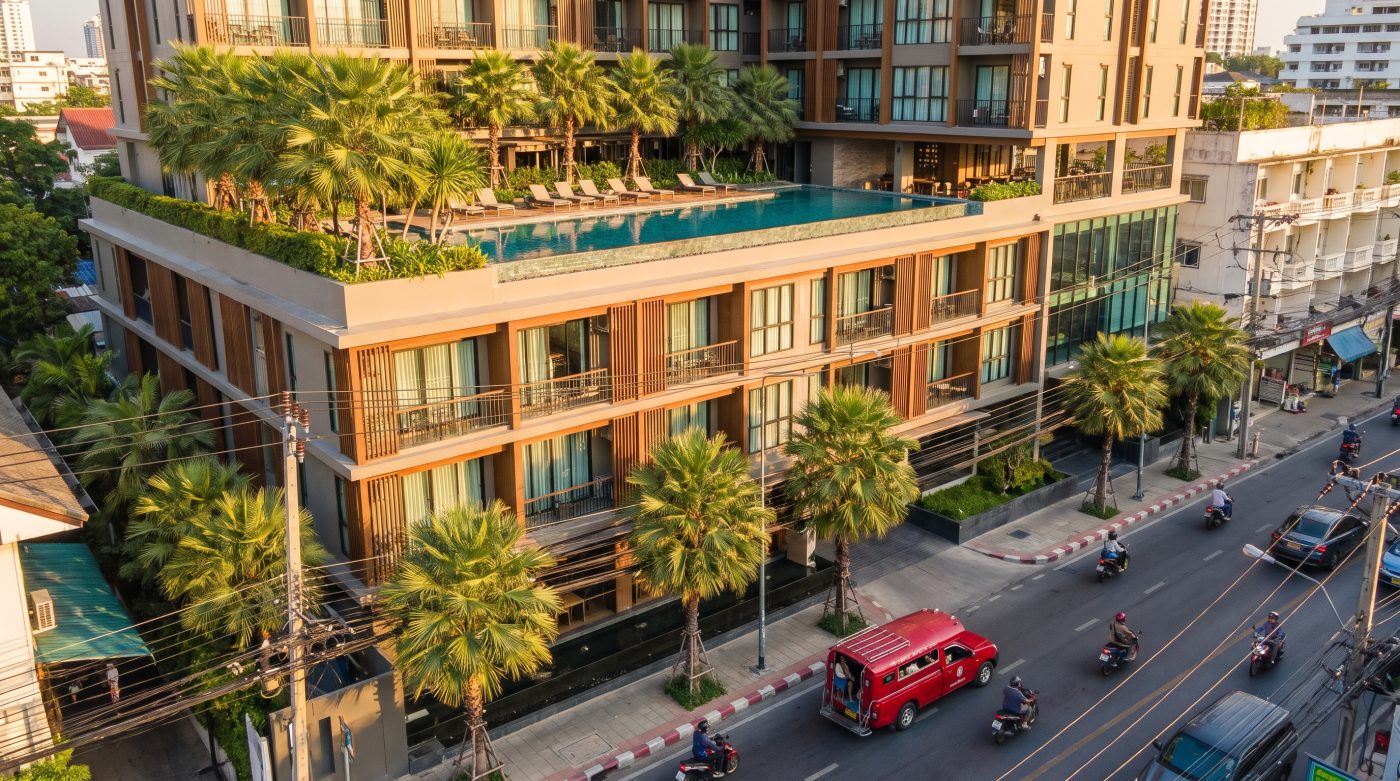
Rent is where almost all of the variation in these numbers comes from. In Chiang Mai, a studio can run as low as about 8,000 baht ($230) and a typical one-bedroom 12,000-20,000 baht ($345-$580). In Bangkok, a one-bedroom condo generally runs 20,000-33,000 baht ($580-$955) in a reasonably central area, though options exist both cheaper (further from the BTS/MRT) and considerably more expensive (new buildings in Sukhumvit or Thonglor). On Koh Samui, a couple's forum-reported rent ranged 15,000-40,000 baht depending on how close to the beach and how new the building was — a wider spread than either Chiang Mai or Bangkok, because island inventory is smaller and more seasonal.
Food: cheaper than almost anywhere else you've lived, but it adds up differently
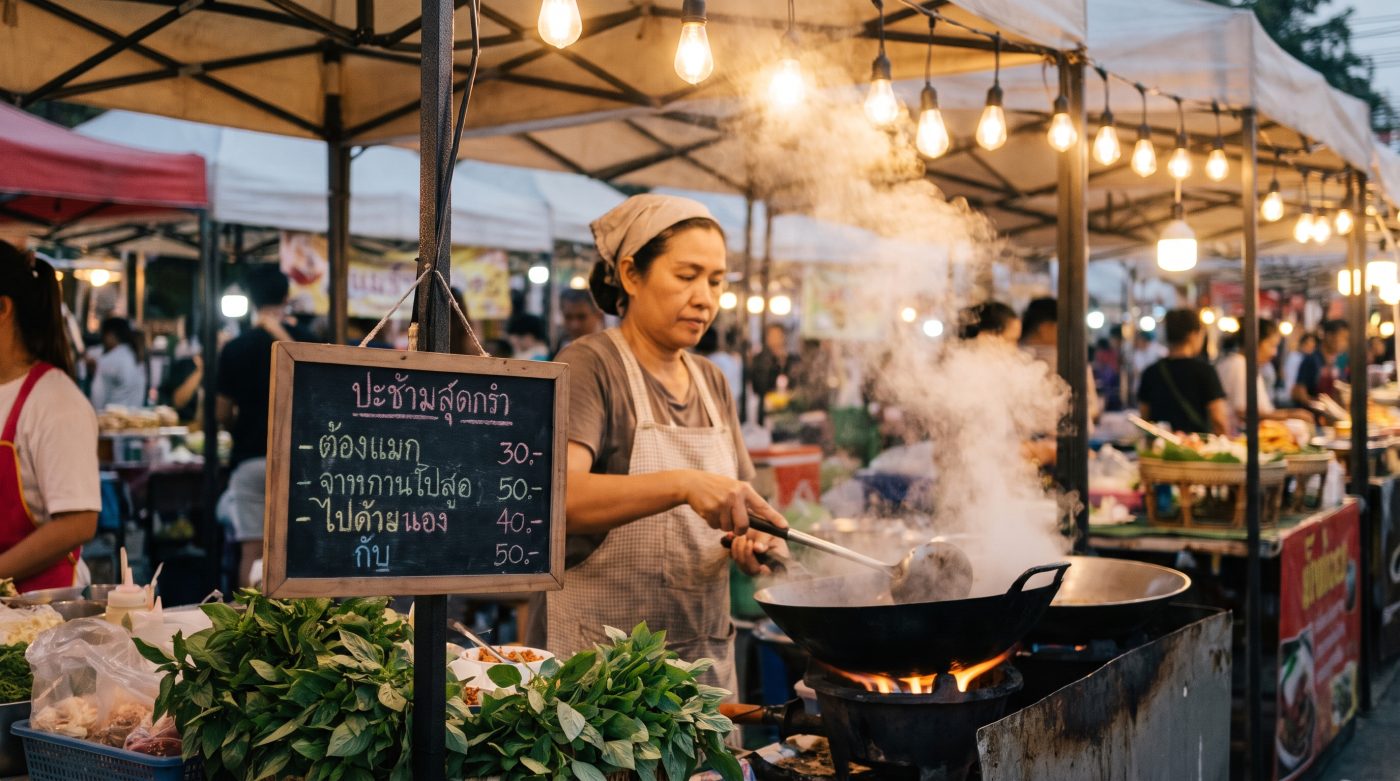
Street food is genuinely inexpensive — a plate from a stall typically runs 50-70 baht ($1.50-$2), a casual sit-down restaurant 100-200 baht ($3-$6), and groceries for a month land somewhere around 5,000-10,000 baht if you're cooking regularly. Where people's numbers actually diverge is eating-out habits: one Bangkok teacher-cost survey put a couple's combined food spend near 8,000-9,000 baht a month eating mostly local, while a different self-reported Bangkok household spending 120,000-130,000 baht a month total described eating out often, including Western restaurants that forum posters note can cost "as much or more" than equivalent meals back home. The honest takeaway from the forum threads: cheap Thai food can realistically keep a food budget under 8,000 baht/month, but Western food, imported groceries, and alcohol are where that number quietly doubles or triples.
Transport and getting around
In Bangkok, BTS/MRT fares run about 17-45 baht per trip, and a monthly BTS pass runs roughly 1,200 baht ($35). Grab rides cost more than the trains but are still cheap by Western standards — see our Grab vs. taxi vs. tuk-tuk guide for real fare comparisons. In Chiang Mai and on the islands, most long-stay nomads end up renting a scooter instead (roughly 2,500-4,000 baht/month, deposit aside — see our scooter rental guide for the deposit and license details). Either way, monthly transport for someone who isn't traveling constantly usually lands in the 1,000-3,500 baht range.
Coworking, internet, and the "office" line item
A reliable home internet plan (around 300-600 Mbps) runs about 600-700 baht ($18-$21) a month and is standard in most condos and apartments aimed at long-stay renters. Coworking memberships vary a lot by city and amenity level: basic Bangkok memberships run roughly 3,000-6,000 baht ($90-$180), with branded spaces like WeWork or JustCo running 4,800-7,200 baht ($150-$220). Chiang Mai's coworking scene is generally cheaper and more day-pass-friendly, which is a real part of why it's long been the default "digital nomad hub" recommendation over Bangkok for people on tighter budgets.
What forum threads actually disagree about
Real posters on expat community forums don't agree on much here beyond the basic shape of the numbers. On one thread, a poster in Phuket said "the prices are as high as they have ever been," while another renting in a smaller Bangkok-area town reported rent that's actually fallen compared to a decade ago. A long-running Ajarn.com cost-of-living thread aimed at teachers (not nomads specifically, but a useful real-budget proxy) showed self-reported "floor" budgets ranging from about 35,000 baht for someone calling it genuinely basic, up to a figure near 60,000-70,000 baht for someone saying anything less in Bangkok would mean living paycheck to paycheck. The pattern across all of it: rent and location drive almost the entire gap, and anyone quoting a single flat number for "how much Thailand costs" is flattening a real range into something misleadingly specific.
Don't forget health insurance in the "monthly" math
This is the line item a lot of cost-of-living posts skip entirely, and it shouldn't be skipped: if you're on Thailand's Destination Thailand Visa (DTV), health insurance is an actual visa requirement, not optional, and it belongs in your monthly number the same as rent does. SafetyWing's Nomad Insurance plans are priced and billed monthly rather than as one lump annual premium, which makes them easy to drop straight into a monthly nomad budget instead of trying to amortize a yearly policy yourself.
If you haven't priced this into your budget yet, SafetyWing's Nomad Insurance plans start at a few dollars a day and bill monthly — worth checking the current rate for your age bracket before you lock in a number.
Check SafetyWing's current monthly rate →For the fuller picture on exactly which Thailand visas do and don't require proof of insurance, see our Thailand health insurance and visa requirement guide.
The visa side of the "monthly cost" question
How long you can actually stay without leaving and re-entering also affects your real monthly cost, since every visa run or exit/re-entry adds a flight or bus ticket to the month it happens in. The DTV gives a 180-day stay per entry (extendable once for another 180 days at immigration for 1,900 baht), which is the main reason most serious long-stay nomads apply for it rather than relying on tourist exemption stays. Thailand's visa-exemption rules have also been genuinely unstable through 2026 — a broader visa overhaul was Cabinet-approved in May 2026 and individual countries' terms have kept shifting since (India's status changed again as recently as July 2026), so if you're nomading on a plain tourist entry rather than the DTV, check the current exemption length for your passport directly before you build a budget around how long you expect to stay without a visa run. Our visa exemption guide tracks what's changed and what hasn't, but given how often this specific rule has moved this year, treat any fixed day-count as something to re-verify, not something to assume.
A realistic monthly budget, added up
- Rent: 12,000-33,000 baht
- Food: 6,000-12,000 baht
- Transport: 1,000-3,500 baht
- Internet + utilities: 2,000-4,500 baht
- Coworking: 0-7,200 baht (plenty of nomads skip this and work from cafes or their apartment)
- Health insurance: varies by plan and age — check SafetyWing's current rate for your bracket
- Total, typical range: roughly 35,000-65,000 baht ($1,000-$1,900) a month for one person, before flights, visa runs, or travel on top
For how this compares to a shorter vacation-style trip budget rather than a month of actually living somewhere, see our Thailand trip cost breakdown. And once you've got a number you're comfortable with, our ATM fees guide and cash vs. card guide cover the smaller stuff that quietly eats into any monthly budget if you're not paying attention to it.
▶Watch on VacaHack
Quick answers
How much money do I need per month to live in Thailand as a digital nomad?
Most single digital nomads land somewhere between 35,000 and 65,000 baht (roughly $1,000-$1,900) a month once rent, food, transport, internet, coworking, and health insurance are all counted — with Chiang Mai usually at the lower end of that range and central Bangkok or the islands at the higher end.
Is $1,000 a month enough to live in Thailand?
It can be, especially in Chiang Mai in a basic studio while eating mostly street food and skipping a full coworking membership, but it is a tight budget in Bangkok or on the islands, where rent alone often runs close to or over that amount.
What is the cheapest city in Thailand for digital nomads?
Chiang Mai is generally the cheapest major nomad hub, mainly because of lower rent and cheaper, more flexible coworking options compared to Bangkok or the islands.
Is Chiang Mai or Bangkok cheaper for digital nomads?
Chiang Mai is usually cheaper overall, primarily due to lower rent; Bangkok offers faster transport and more job/client opportunities but typically costs 10,000-30,000 baht more per month for a comparable lifestyle.
Do digital nomads need a visa to work remotely from Thailand?
Most long-stay nomads use the Destination Thailand Visa (DTV), which allows remote work and gives a 180-day stay per entry, extendable once; working on a plain tourist exemption is legally murkier, and exemption rules themselves have changed multiple times in 2026, so check your passport's current terms directly.
How much does coworking cost in Thailand?
Basic coworking memberships run roughly 3,000-7,200 baht ($90-$220) a month in Bangkok, with Chiang Mai generally cheaper and more day-pass-friendly; plenty of nomads skip coworking entirely and work from cafes or their apartment instead.