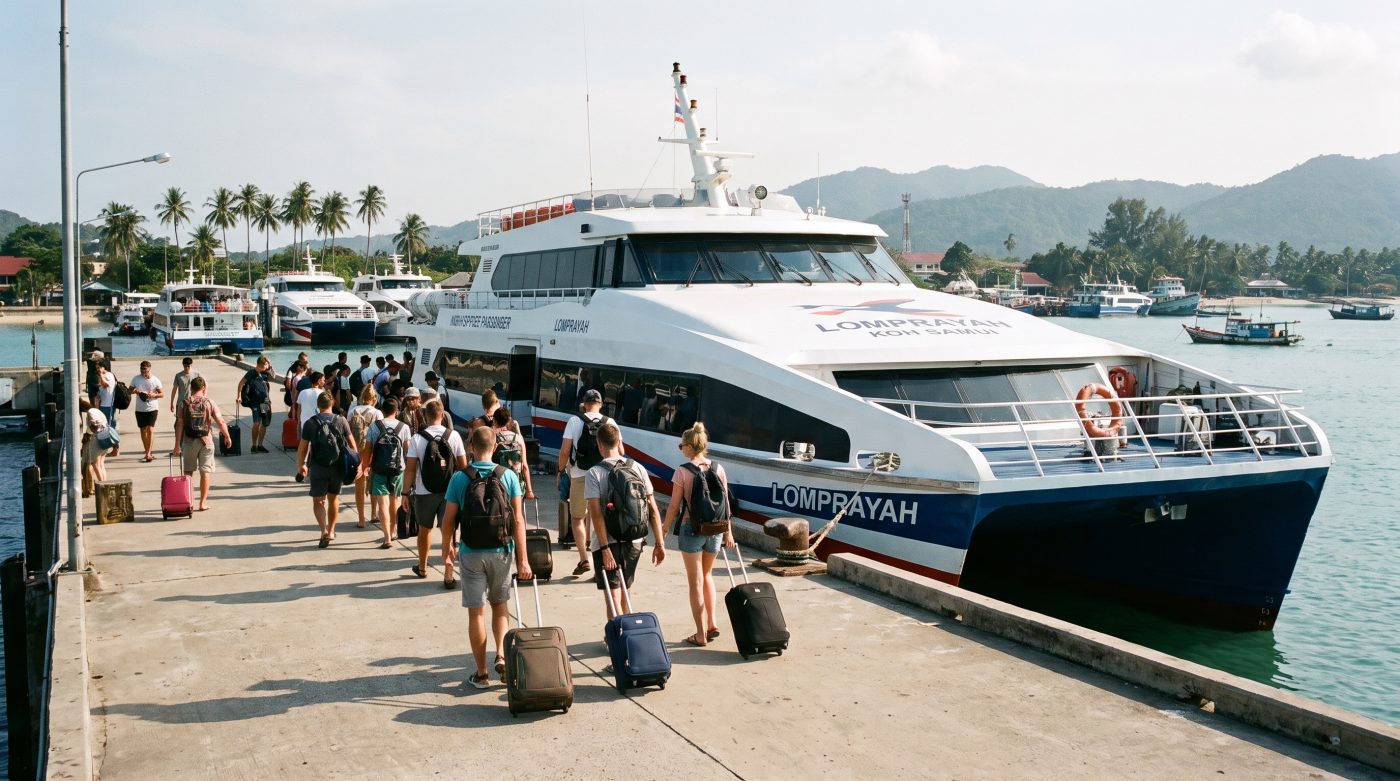
Is Hua Hin Worth Visiting Compared to Thailand's Islands?
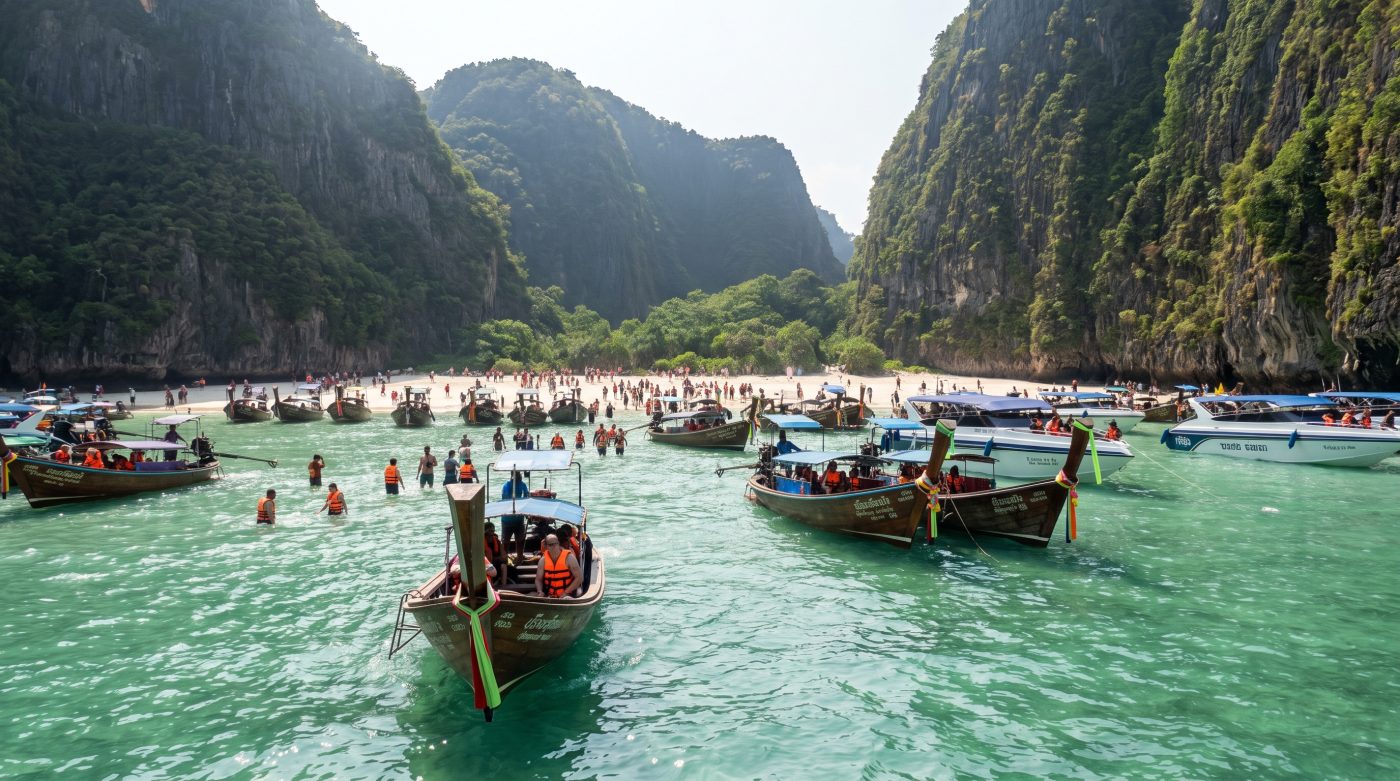
Hua Hin is worth visiting if what you actually want is an easy, low-effort weekend from Bangkok with good seafood, a walkable night market, and some golf or a water park thrown in — but if you're picturing the turquoise water and postcard sand of Phuket or Koh Samui, you'll be let down, because Hua Hin isn't an island and its beach was never the point.
How Hua Hin's beach actually compares to the islands
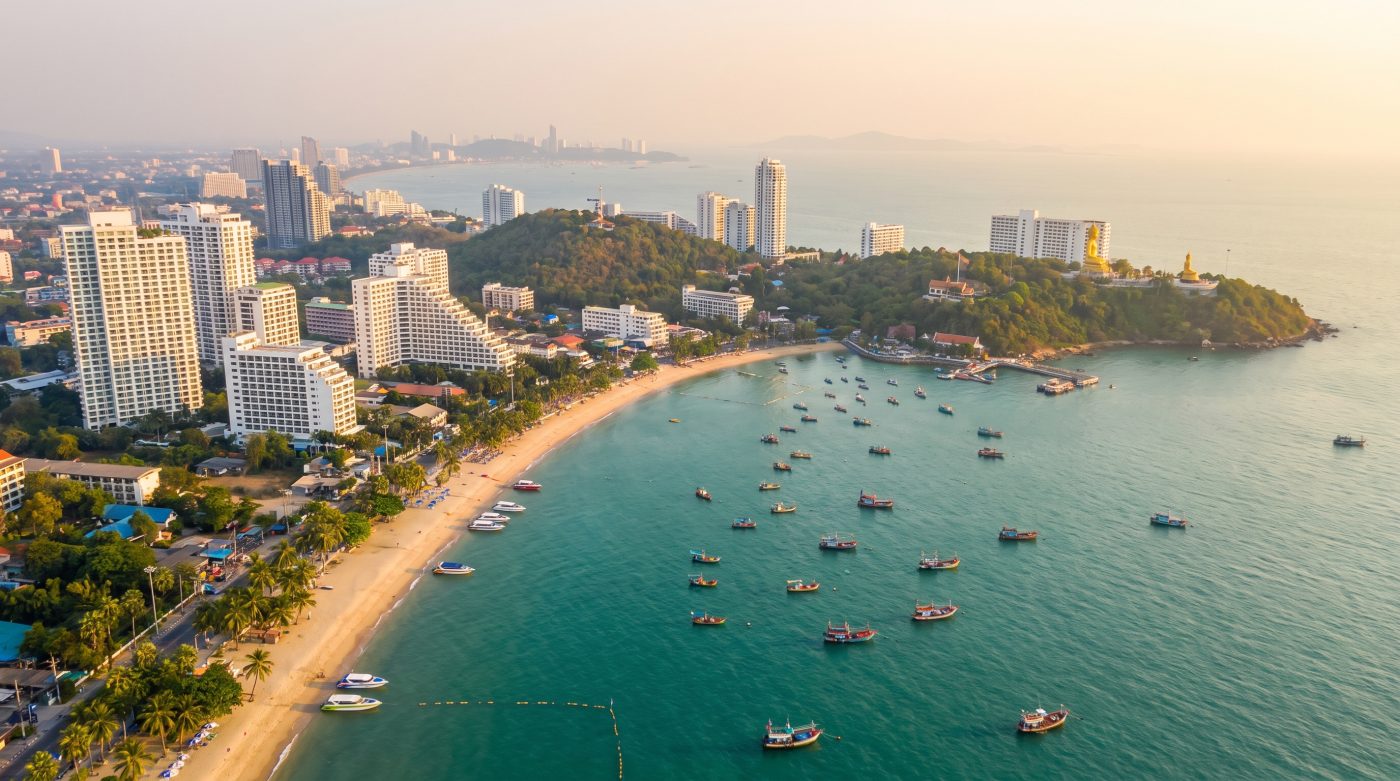
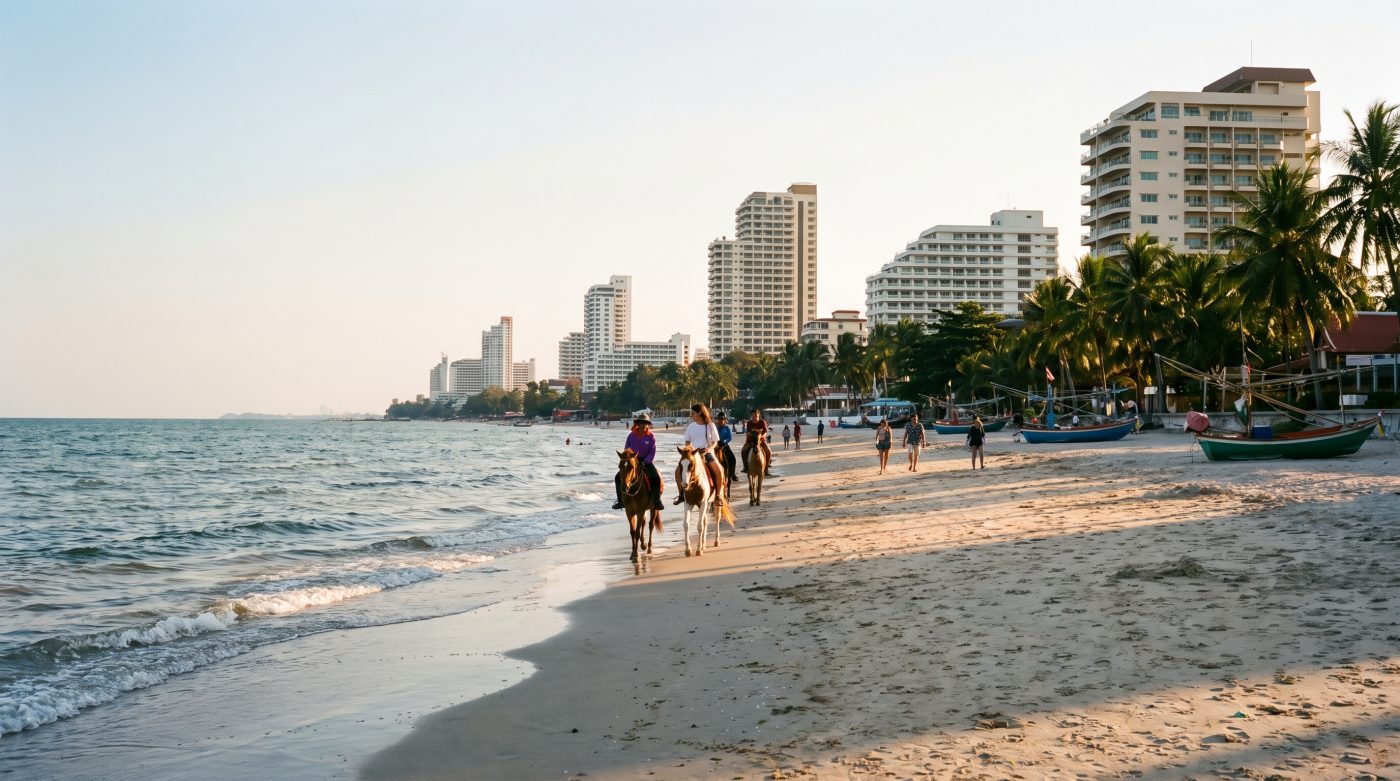
This is the honest answer most "top things to do" lists skip. On Thailand's own TripAdvisor forum, one traveler comparing Hua Hin to Koh Samui summed it up bluntly: Hua Hin's shoreline is lined with "high rise buildings," while Samui's beaches are "beautiful" and "not high rise at all — definitely a different feel." A separate comparison against Pattaya put it even more plainly: "neither Pattaya's various beaches nor Hua Hin Beach are much to write home about."
That doesn't mean the beach is bad — it's long, flat, and easy to walk, and the water is calm and shallow enough for wading and building sandcastles with kids. It's just not scenic in the way an island beach is, and it's not where you'd go to snorkel or dive. If beach quality alone is what you're optimizing for, an island wins every time.
Getting from Bangkok to Hua Hin: what actually works
Hua Hin sits roughly 200km south of Bangkok, and every transport option covers it in about the same window — the difference is comfort and hassle, not time saved.
- Train: the fastest special express from Krung Thep Aphiwat Central Terminal does it in about 3 hours 1 minute for around 330 THB in 2nd-class air-con; slower trains run 94–1,998 THB depending on class.
- Bus: the Roong Reuang Coach from Suvarnabhumi Airport runs about 425 THB and takes roughly 4 hours, with regular departures through the day; Southern and Ekkamai terminals also run services.
- Minivan: usually the cheapest and can be quick when traffic cooperates, but it's the option with the most complaints — minivans booked around Khao San Road are a known source of a bait-and-switch, where you're sold a direct ticket and then transferred onto a slower regular bus, sometimes with an added commission and extra waiting time tacked on.
- Private transfer: door-to-door from anywhere in Bangkok, roughly 1,800–3,000 THB depending on vehicle and where you book, about 3 hours traffic-dependent. Locally arranged transfers (through a hotel, or negotiated on the spot) tend to get quoted well above that — travelers on Hua Hin's own TripAdvisor forum suggest a fair rate for two people is closer to 4,000–6,000 THB round-trip, not per leg, and it's worth knowing that before you accept the first number a hotel desk gives you.
Since the cheapest minivan bookings are exactly the ones with the bait-and-switch reputation, and hotel-arranged transfers routinely get quoted above the going rate, it's worth locking in a fixed price before you land rather than negotiating on the day.
Check private transfer prices to Hua Hin →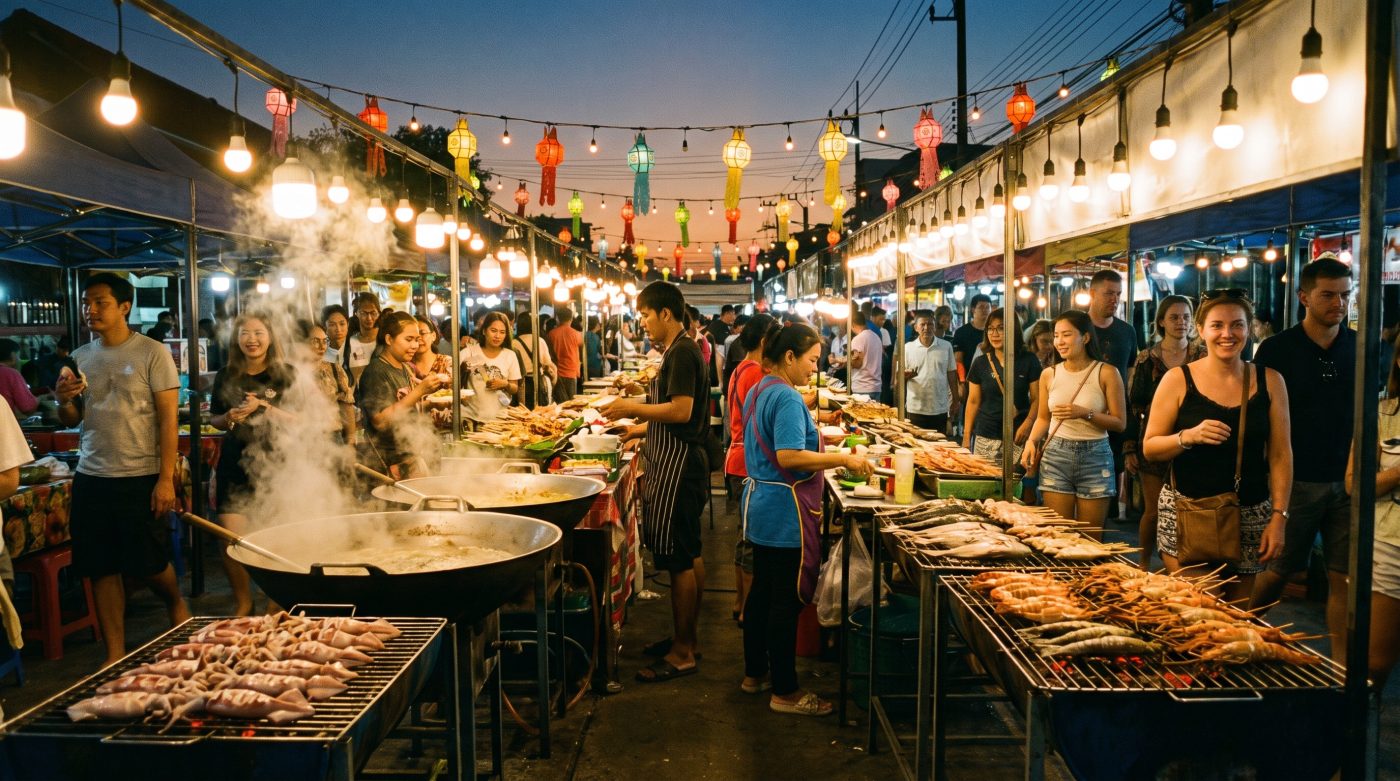
What there actually is to do once you're there
The beach is a backdrop, not the itinerary. What fills a Hua Hin trip is a mix of markets, day trips, and a few genuinely good attractions:
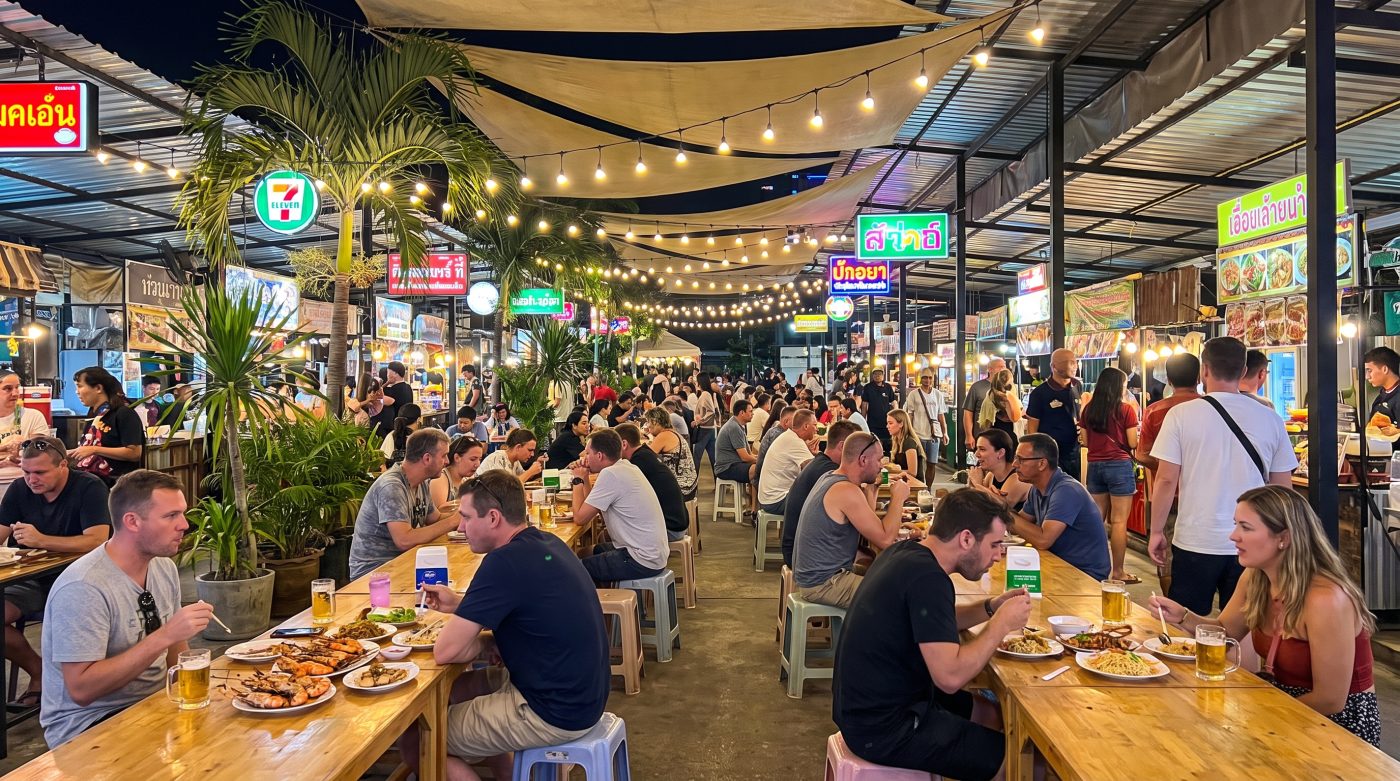
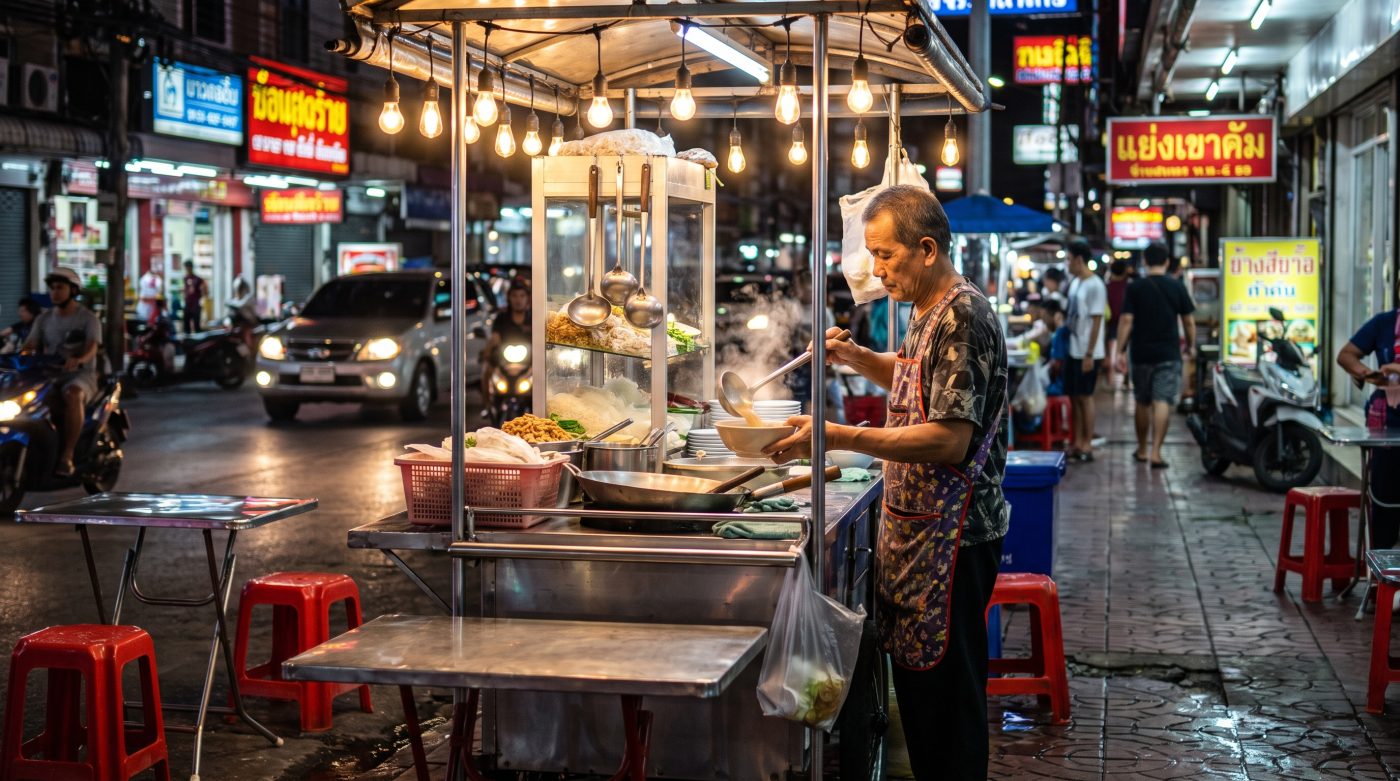
- Night Market and the weekend Cicada Market — grilled seafood, roti, handmade goods, and a much more relaxed browsing pace than Bangkok's markets.
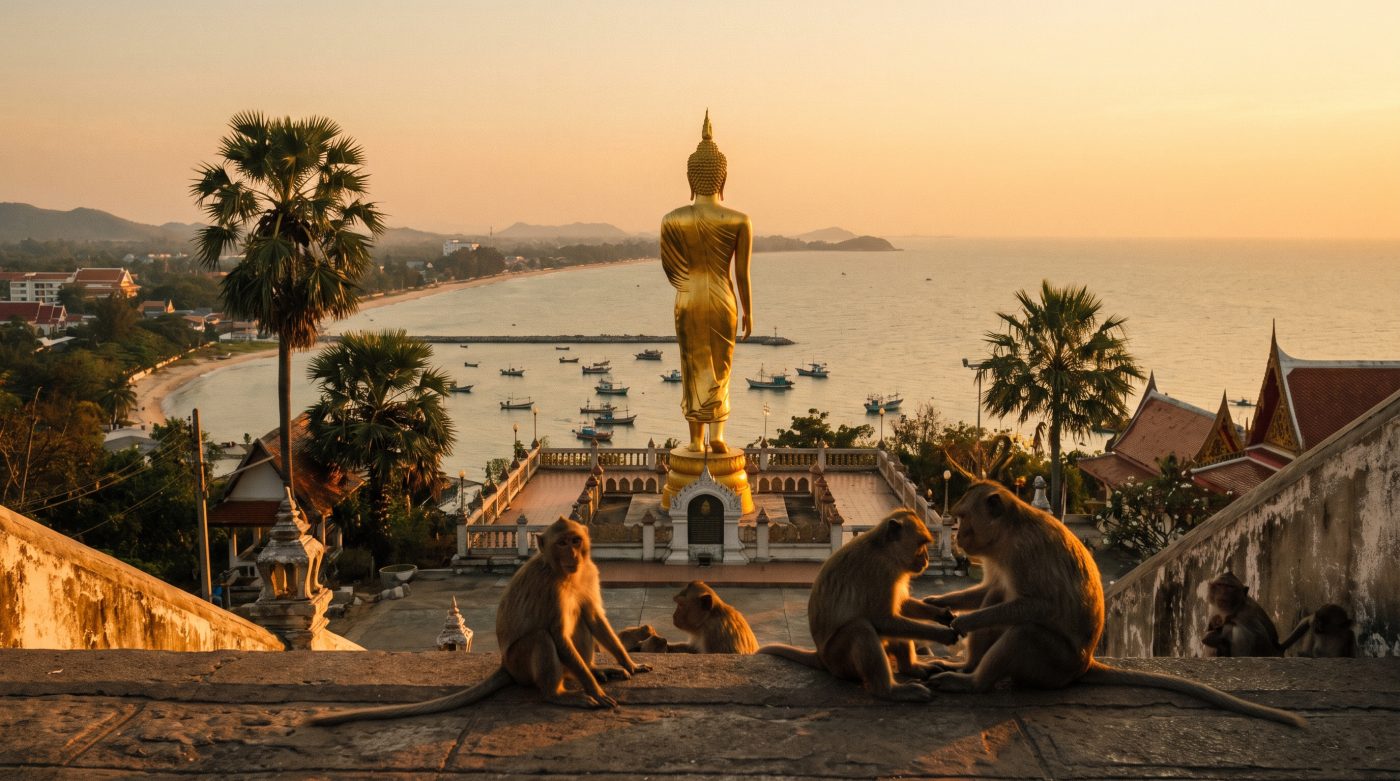
- Khao Takiab (Monkey Mountain) — a small headland about 20 minutes by tuk-tuk from town, roughly 100 steps up to a hilltop temple with a large Buddha statue, resident macaques, and genuinely good coastline views.
- Vana Nava Water Park — a legitimate reason to bring kids, with Thailand's largest slide (The Abyss) and its only vertical looping slide.
- Sam Roi Yot National Park — Thailand's first marine national park, with the limestone-cave Phraya Nakhon pavilion as the main draw, roughly an hour south of town.
- Hua Hin Hills Vineyard — about 45km out; day tours run around 1,500 THB including transport, tastings, and a three-course meal.
- Wat Huay Mongkol and Pala-U Waterfall — a temple with one of the country's largest monk statues, and a multi-tier waterfall about an hour west toward the Myanmar border.
- Hua Hin is also one of Thailand's established golf destinations, with several courses within a short drive of town — a genuine draw for a slice of its regular visitors that doesn't show up on most "top 10" lists.
Who Hua Hin is actually good for
Read the actual local forums (ASEAN NOW's Hua Hin board, for instance) and the conversation isn't about beach itineraries — it's dentists, driving license renewals, TM30 registration, and where to find decent internet. That's telling: Hua Hin functions as much as a place people live as a place people visit. It's genuinely well suited to:
- Families with younger kids, thanks to the calm shallow water, the water park, and a short, low-stress transfer instead of a flight.
- Retirees, long-stay expats, and golfers, who make up a real and visible share of who's actually there.
- Bangkok-based travelers (or anyone based there for work) wanting an easy weekend without airport logistics.
- Anyone who wants good food and a walkable town more than a specific beach.
Who should skip Hua Hin and go straight to the islands
If any of these describe your trip, an island destination will serve you better than Hua Hin will:
- It's your first trip to Thailand and you want the classic postcard beach.
- Snorkeling or diving is actually on your list — Hua Hin's water isn't set up for it the way Koh Tao or the Similans are.
- You're chasing island nightlife or the Full Moon Party scene.
- You only have one non-Bangkok stop in the whole trip and want it to be the highlight, not a convenient weekend add-on.
Jellyfish and other things worth knowing before you swim
This one gets asked more than the marketing photos would suggest. Hua Hin and nearby Cha-Am do see a real jellyfish influx during the wet season, roughly May through October with risk peaking August to October, and local authorities have run public awareness campaigns and floated stinger-net proposals for the beach because of it. The honest picture: serious box jellyfish stings are uncommon on Hua Hin's own beach specifically — recorded serious cases skew toward the islands further south, like Koh Samui and Koh Phangan — but they're not zero, and children are the highest-risk group since they're less likely to spot or avoid one in the shallows.
If you're stung, the standard first-aid step is a steady vinegar rinse for 30–60 seconds to stop further venom release, though some research suggests vinegar's effectiveness varies by jellyfish species, so treat it as the default response, not a guarantee, and get checked out at a clinic if the reaction seems severe. Our guide to what to do if you get sick in Thailand covers how to find a hospital or clinic quickly if you need one. Check for posted beach flags or ask your hotel about current conditions before swimming, especially outside the dry season — this is exactly the kind of local, changeable detail that's worth a five-minute check rather than trusting any single blog post's snapshot.
So, is it worth it?
For a beach vacation in the postcard sense, no — go to an island instead. For an easy, low-stress weekend from Bangkok with real food, a couple of good day trips, and none of the flight-and-ferry logistics, yes, and that's exactly why it's stayed popular with families, retirees, and Bangkok-based expats for decades rather than showing up on many first-timer bucket lists. If you're still building out the rest of a Thailand itinerary and want to see how a Hua Hin weekend fits against overall costs, our Thailand trip cost breakdown and best time to visit Thailand guides can help you decide when and how to fit it in.
▶Watch on VacaHack
Quick answers
Is Hua Hin worth visiting?
Yes, for an easy weekend from Bangkok with good food, markets, golf, and a couple of solid day trips — but not for postcard beach scenery. If a great beach is the main goal, an island like Phuket or Koh Samui is the better call.
Is Hua Hin better than Phuket or Koh Samui?
Not for beach quality — Hua Hin's shoreline runs past hotels and condos rather than open coastline. It wins on being 2.5–3 hours from Bangkok by road with no flight or ferry needed, which suits a quick weekend trip better than an island does.
How do I get from Bangkok to Hua Hin?
By train (about 3 hours, from roughly 100–330 THB in standard classes), bus (about 4 hours, ~425 THB from Suvarnabhumi), minivan (cheapest but prone to bait-and-switch bookings around Khao San Road), or a private transfer (roughly 1,800–3,000 THB booked ahead, more if arranged last-minute through a hotel).
Is Hua Hin beach good for swimming?
It's calm and shallow, which is good for wading and younger kids, but check for jellyfish advisories in wet season (roughly May–October) before swimming.
Are there jellyfish in Hua Hin?
Yes, particularly during the wet season, though serious box jellyfish stings are more commonly recorded on islands further south like Koh Samui and Koh Phangan than on Hua Hin's own beach. Ask about current conditions locally and rinse any sting with vinegar for 30–60 seconds as a first step.
How many days do you need in Hua Hin?
Most visitors do 2–3 days — enough for the night market, one day trip (Sam Roi Yot, the vineyard, or Pala-U waterfall), and some downtime, without needing much more than that.