What to Do If You Get Sick in Thailand: Hospitals, Pharmacies, and Clinics by Region
If you get sick in Thailand, the fastest fix is almost always a private hospital, not the emergency room you're picturing back home — and for anything short of a real emergency, a pharmacist can often sort you out in ten minutes with no doctor's visit at all. The system works differently than in the US, UK, or Australia: private care is cheap by Western standards but usually wants payment up front, pharmacies dispense things that would need a prescription at home, and which hospital you should actually aim for depends a lot on where in the country you are.
Public vs. private hospital: which one do you actually want?
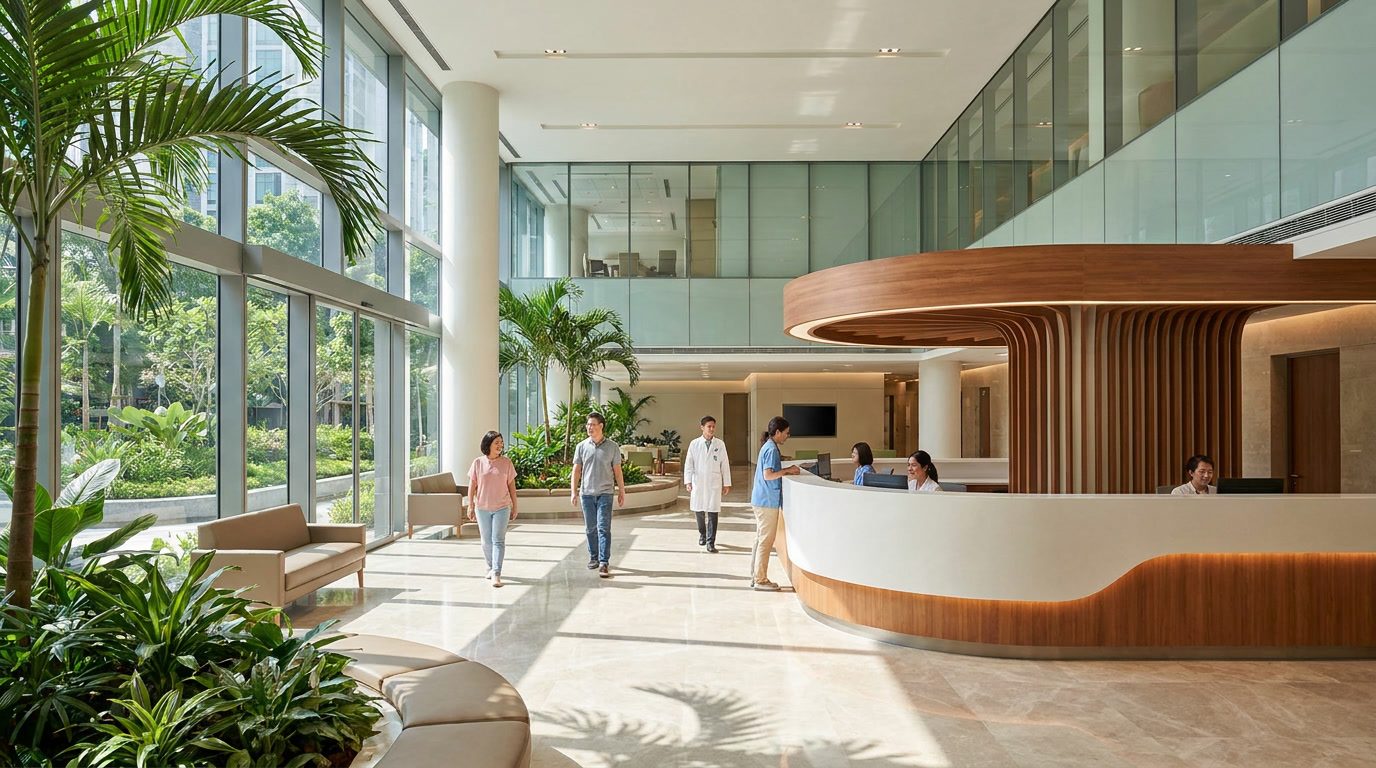
Thailand has both government (public) hospitals and private hospitals, and as a tourist you'll almost always want the private one. Public hospitals treat Thai patients well and the doctors are generally excellent, but they're built around a Thai social-security system you're not part of — longer waits, less English, more paperwork friction. Private hospitals exist specifically to serve foreign patients and medical tourists: English-speaking staff and doctors, international accreditation, shorter waits, and a process built around someone who's never navigated Thai healthcare before.
The tradeoff is cost — private typically runs double to triple what public charges for the same visit. For a tourist dealing with a bad bout of food poisoning or a cut that needs stitches, that's still usually a small number in absolute terms, which is why private stays the default recommendation unless the nearest private option is genuinely far away and something needs attention right now.
What it actually costs, and why you'll probably pay before they treat you
For a straightforward outpatient visit — a consultation, some basic lab work, and medication — a private hospital in Thailand typically runs somewhere around 1,000–2,000 THB (roughly $28–56), often less. That's the walk-in-sick-with-a-stomach-bug scenario most tourists actually face. Prices climb fast for anything serious: at a top-tier hospital like Bumrungrad in Bangkok, a hip replacement runs $12,000–15,000 and a heart bypass $15,000–20,000, figures that move with the exchange rate and the specific hospital, so treat them as a rough sense of scale rather than a quote.
The part that catches people off guard is payment. Thai private hospitals generally expect a deposit or a credit card hold before they'll admit or treat you for anything non-emergency, and not every hospital will bill your travel insurer directly — plenty require you to pay in full and file for reimbursement afterward. Travelers on forums describe exactly this: a hospital charging a hefty deposit to a credit card "until things had been sorted out with the insurance company," or being told the hospital "would not bill our travel insurers direct" and having to put the whole stay on a card. A room alone can run around $1,000 a night before doctors, tests, or an ICU stay are added on top. Genuine emergencies get treated first and billed after, but you don't want to be the one testing where that line gets drawn — having travel insurance with a 24/7 assistance line that can guarantee payment directly to the hospital is what actually avoids the deposit scramble.
If you don't have travel medical coverage sorted yet, this is the exact scenario it's for — a hospital that wants money before it'll treat you, on a trip where your home insurance almost certainly doesn't apply.
Get a SafetyWing quote →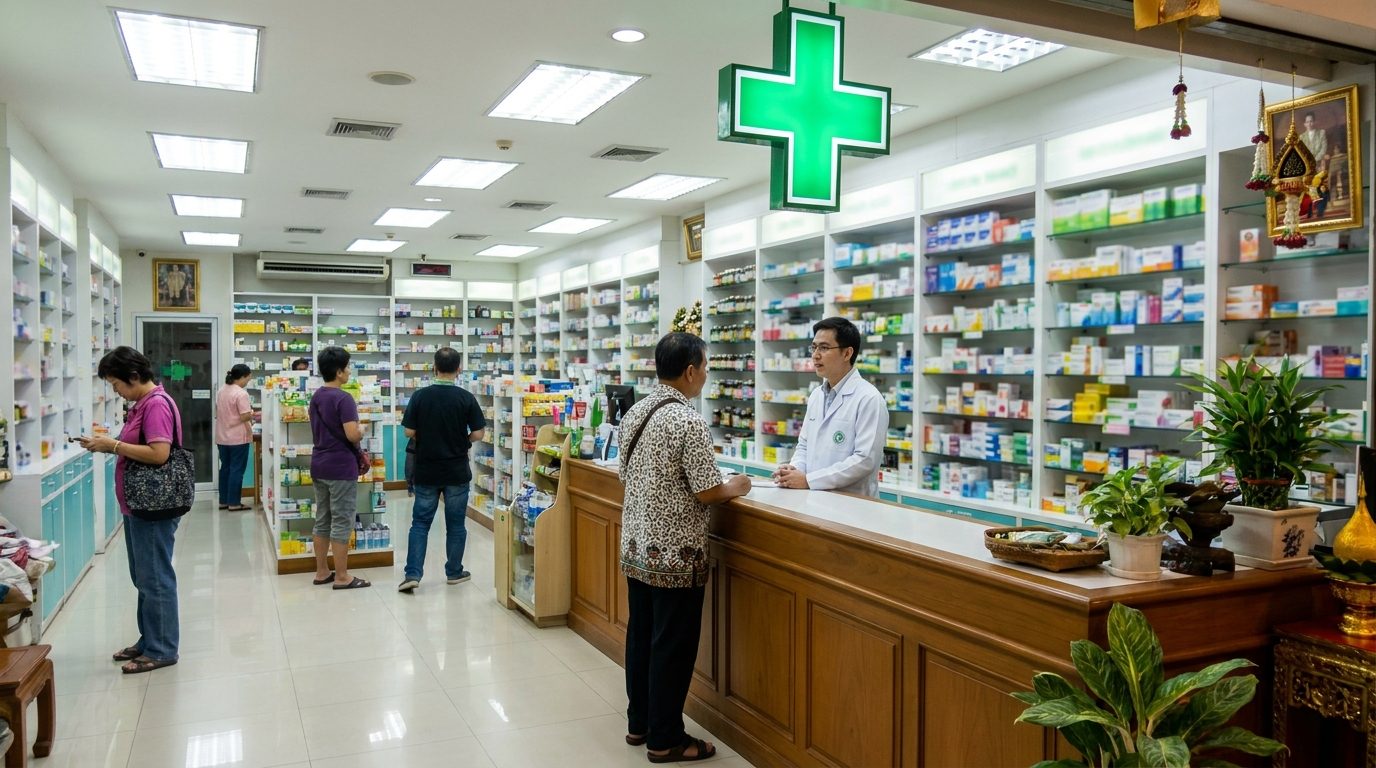
Best hospitals by region
Every major tourist area has at least one private hospital built around international patients. A few that come up repeatedly:
- Bangkok: Bumrungrad International is the best-known and priciest, ranked among the world's top hospitals and treating over a million patients a year from 190+ countries. Samitivej Sukhumvit is a strong pick for anything involving kids or maternity. Bangkok Hospital's main campus is known for cardiac and stroke emergency readiness. BNH in Sathorn is smaller and more boutique, convenient if you're staying near the embassy district.
- Phuket: Bangkok Hospital Phuket is the standard reference point for tourists on the island, with Phuket International Hospital as a second option.
- Chiang Mai: Bangkok Hospital Chiang Mai and Chiangmai Ram Hospital both handle foreign patients regularly and are used to the DTV/education-visa crowd as well as tourists.
- Koh Samui: Bangkok Hospital Samui is the go-to full-service hospital for the Gulf islands, with Samui International Hospital as an alternative.
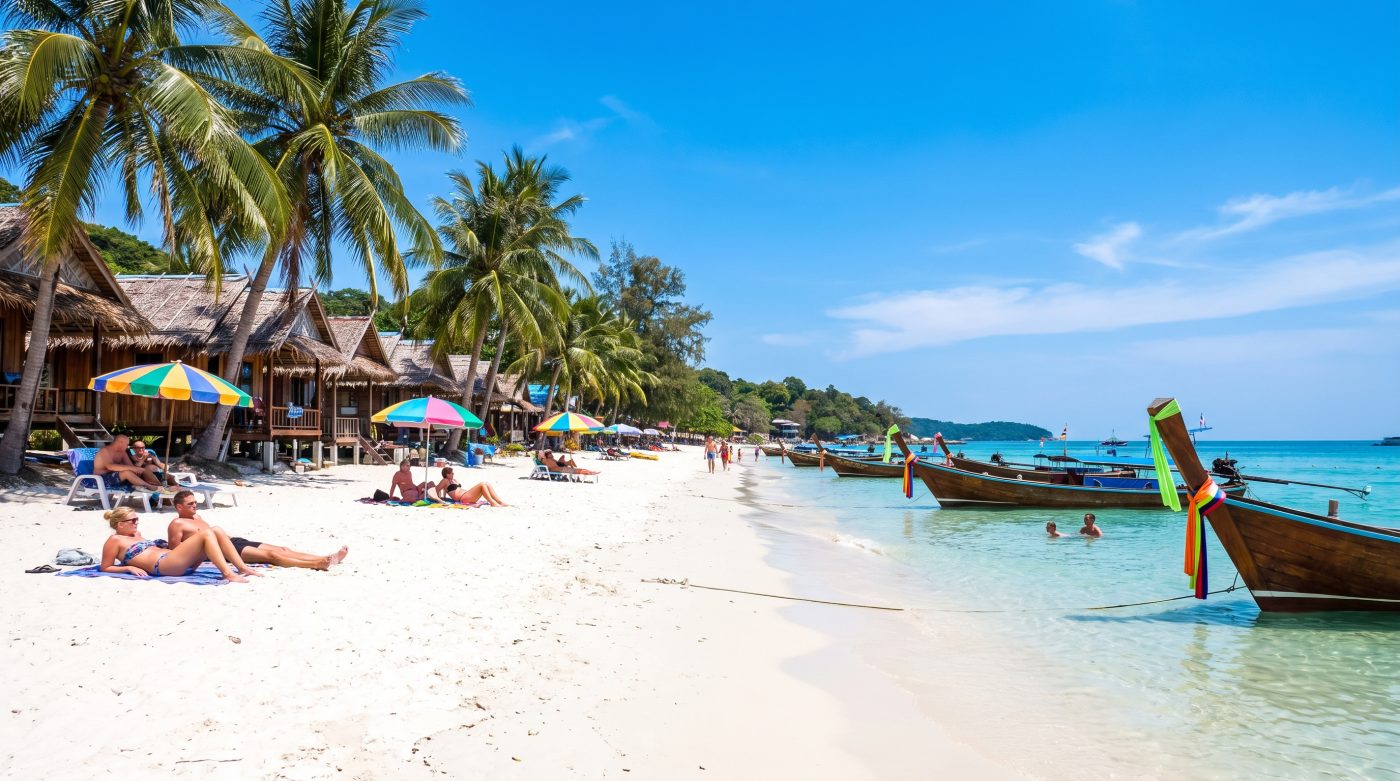
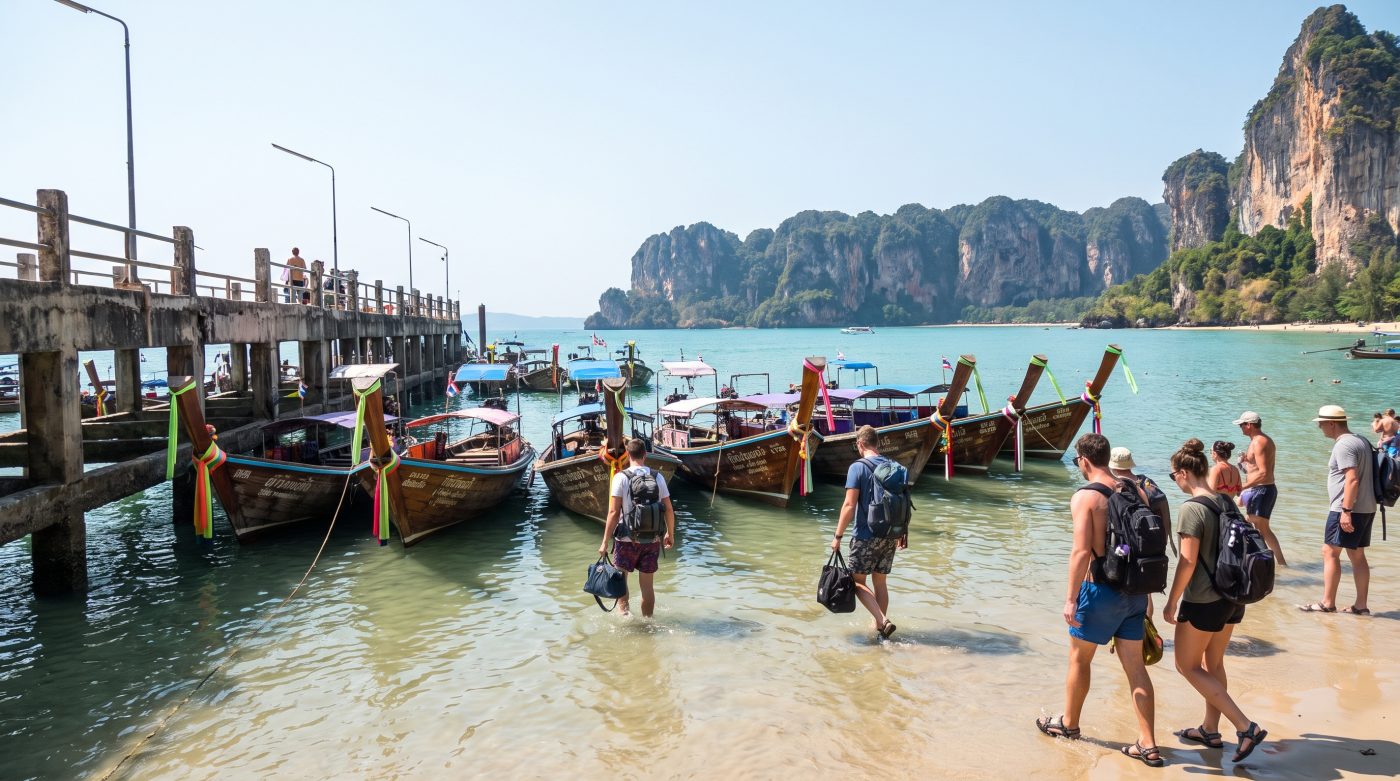
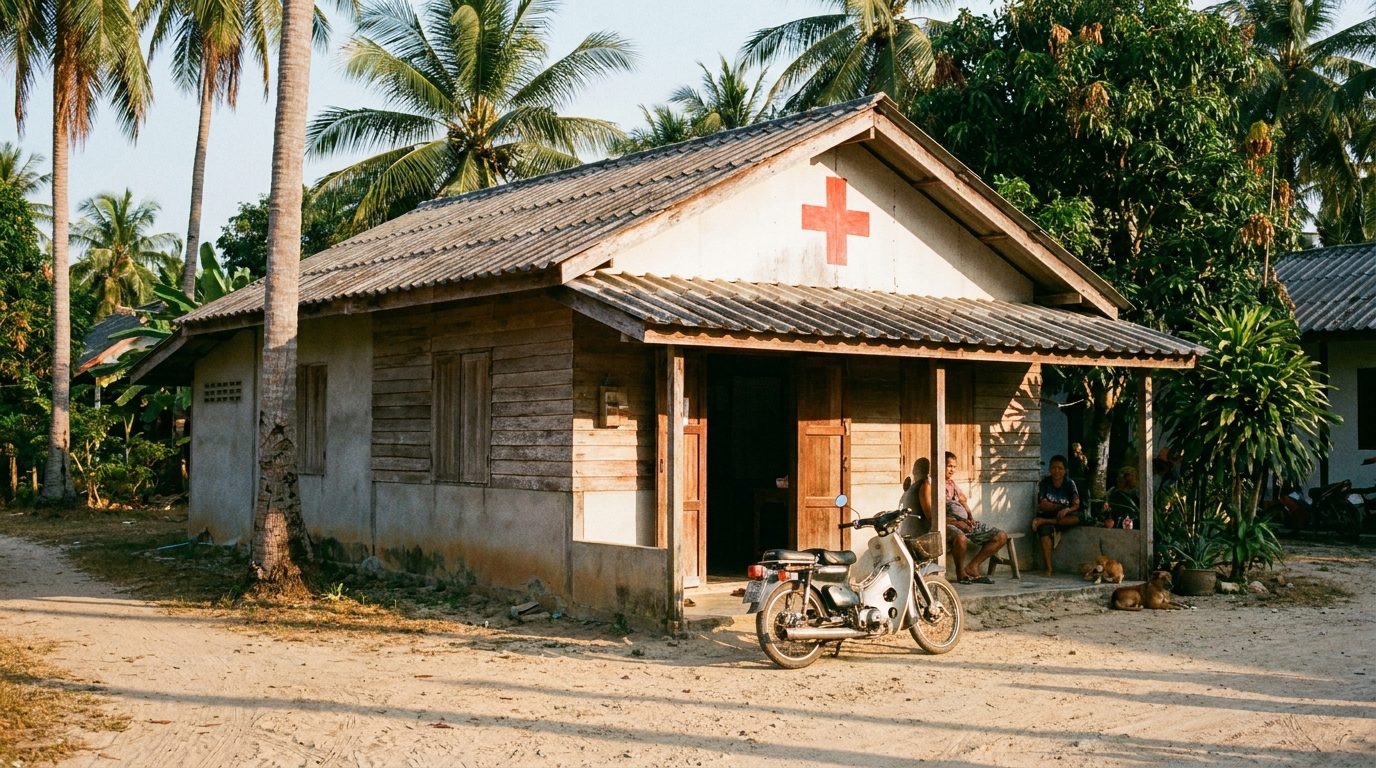
- Smaller islands (Koh Phangan, Koh Tao, Koh Lanta, Koh Phi Phi, etc.): these generally have small clinics, not full hospitals — fine for food poisoning, minor injuries, or stitches, but anything more serious usually means a ferry or speedboat transfer to the nearest hub (Koh Samui for the Gulf side, Phuket for the Andaman side).
Pharmacies: what you can get without a prescription, and where to be careful
Thai pharmacies dispense far more over the counter than pharmacies in the US or UK do — this is a deliberate feature of the system, meant to extend basic medical access without everyone needing a doctor's appointment. Common antibiotics like amoxicillin, azithromycin, ciprofloxacin, metronidazole, and doxycycline are typically available without a prescription, along with antifungals, antiparasitics, stronger antihistamines, and malaria prophylaxis.
Two tiers of pharmacy exist. Chains like Boots and Watsons are everywhere in tourist areas — well-lit, organized, English-speaking staff, and noticeably more conservative about what they'll hand over without a prescription, especially antibiotics. Independent pharmacies (look for the green cross sign) are usually cheaper and more flexible about what they'll dispense, though staff English varies more.
A few honest cautions: this is not the same as self-diagnosing being a good idea — describe your symptoms to the pharmacist and let them recommend something rather than asking for a specific antibiotic by name. Buy only what you'll actually use on the trip, since carrying prescription-only-at-home medication back through customs can raise questions. Buy from a licensed pharmacy, not a market stall or unlicensed vendor — counterfeit medication is a real risk outside licensed pharmacies and essentially a non-issue inside one. And a pharmacy is not a substitute for a doctor if you've got a fever over 39°C, chest pain, or trouble breathing — that's a clinic or hospital, not a pharmacist's counter.
Emergency numbers worth saving before you land
- 1669 — national medical emergency line, dispatches an ambulance, staffed by Thailand's National Institute for Emergency Medicine.
- 191 — police.
- 1155 — tourist police, English-speaking, useful as a bridge if a Thai-language call isn't working and they can connect you to the right service.
- 199 — fire.
Worth knowing: if you already have a specific private hospital in mind, most of the larger ones run their own 24/7 hotline and ambulance service you can call directly, which can be faster and more comfortable than going through the public dispatch system — save the number for whichever hospital in your area you'd actually choose to go to.
A quick gut-check: pharmacy, clinic, or hospital?
Mild, self-limiting stuff — a bit of traveler's diarrhea, a small cut, a mild cold — a pharmacist can usually handle in one visit. Anything that lingers past a day or two, a fever that won't break, an animal bite (rabies risk is genuinely worth taking seriously in Thailand), or something needing stitches or an X-ray means a clinic or hospital, private if you have a choice. Chest pain, trouble breathing, a serious motorbike accident, or loss of consciousness means calling 1669 or getting to the nearest hospital emergency room immediately — private if you're in a position to direct the taxi or tuk-tuk there yourself, but the nearest ER of any kind beats waiting for a specific one.
For the insurance side of all this — including which visas actually require it — we've got a full breakdown in our Thailand health insurance and visa requirements guide. And if you're mapping out what a trip costs overall, that's covered in our Thailand budget breakdown.
▶Watch on VacaHack
Quick answers
What number do I call for a medical emergency in Thailand?
Dial 1669 for the national medical emergency line, which dispatches an ambulance and is staffed by Thailand's National Institute for Emergency Medicine. Police is 191, and if language is a barrier, the tourist police at 1155 speak English and can connect you to the right service. If you already know which private hospital you'd choose, most run their own 24/7 hotline and ambulance you can call directly instead.
Do hospitals in Thailand make you pay before treating you?
For anything non-emergency, usually yes. Private hospitals commonly ask for a deposit or a credit card hold up front, and not every hospital bills your travel insurer directly, so you may need to pay in full and claim reimbursement afterward. Genuine emergencies get treated first and billed later, but travel insurance with a 24/7 assistance line that can guarantee payment is what actually avoids the deposit scramble.
Can you buy antibiotics over the counter in Thailand?
Yes, at a licensed pharmacy. Common ones like amoxicillin, azithromycin, and ciprofloxacin don't require a prescription the way they would at home. That's not the same as self-diagnosing being a good idea, though; describe your symptoms to the pharmacist rather than naming a drug, and only buy what you'll actually use, since carrying prescription-only-at-home antibiotics home through customs can raise questions.
Should I go to a public or private hospital in Thailand?
As a tourist, private is almost always the better call: English-speaking staff, shorter waits, and international accreditation, for roughly double to triple what a public hospital charges (which is still often far less than home). Public hospitals are fine in a genuine emergency when they're closer, but they're not set up for tourists the way private hospitals are.
Is Bumrungrad Hospital in Bangkok expensive?
It's the priciest tier in Thailand, ranked among the world's best by Newsweek and treating over a million patients a year from 190-plus countries, so you're partly paying for that reputation. For routine issues, like a bad stomach bug or a cut needing stitches, the bill is still a fraction of equivalent U.S. care; it's major procedures where the price gap with a mid-tier private hospital really shows up.
What do I do if I get sick on a smaller Thai island with no big hospital?
Most tourist islands, like Koh Phangan, Koh Tao, Koh Lanta, and Koh Phi Phi, have small clinics that handle food poisoning, minor injuries, and stitches fine. For anything more serious, the standard move is a ferry or speedboat transfer to the nearest hub with a full hospital: Koh Samui for the Gulf islands, Phuket for the Andaman side. Worth factoring that transfer time in if you have a pre-existing condition or are choosing accommodation far from a pier.