Railay Beach: How to Get There (and Why It's Nothing Like Ao Nang)
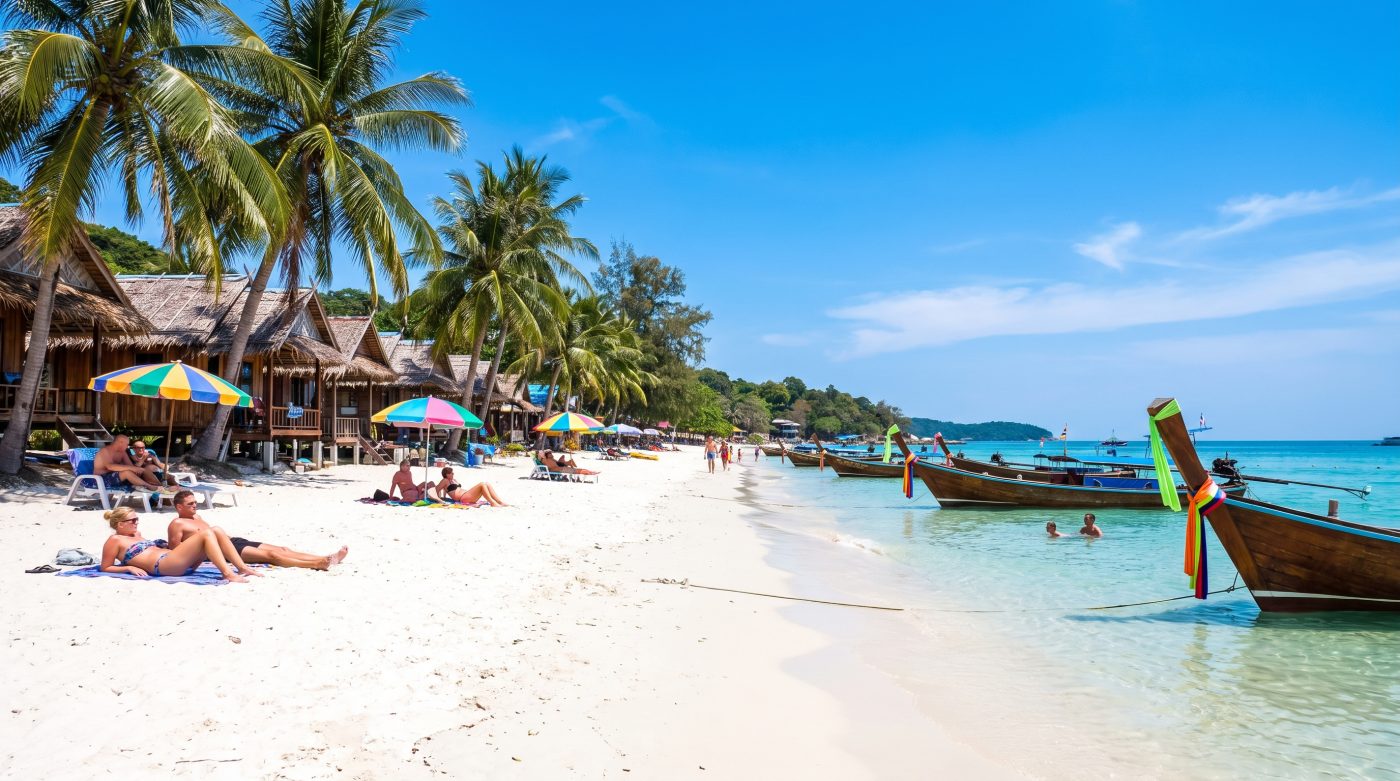
Railay Beach has no road in or out — the limestone cliffs that make it famous also cut it off from the rest of Krabi province, so the only way to reach it is a short longtail boat ride from Ao Nang or Ao Nam Mao pier near Krabi Town. That one fact is also the answer to why it feels so different from Ao Nang itself: no cars, no scooters, no strip of 7-Elevens and tour-desk shopfronts, just a narrow peninsula of beaches, climbing walls, and whatever gets brought in by boat.
How to actually get to Railay Beach
There's no booking this in advance from home, and there doesn't need to be — it's a pay-as-you-go local boat, not a ferry with a timetable you can check online.
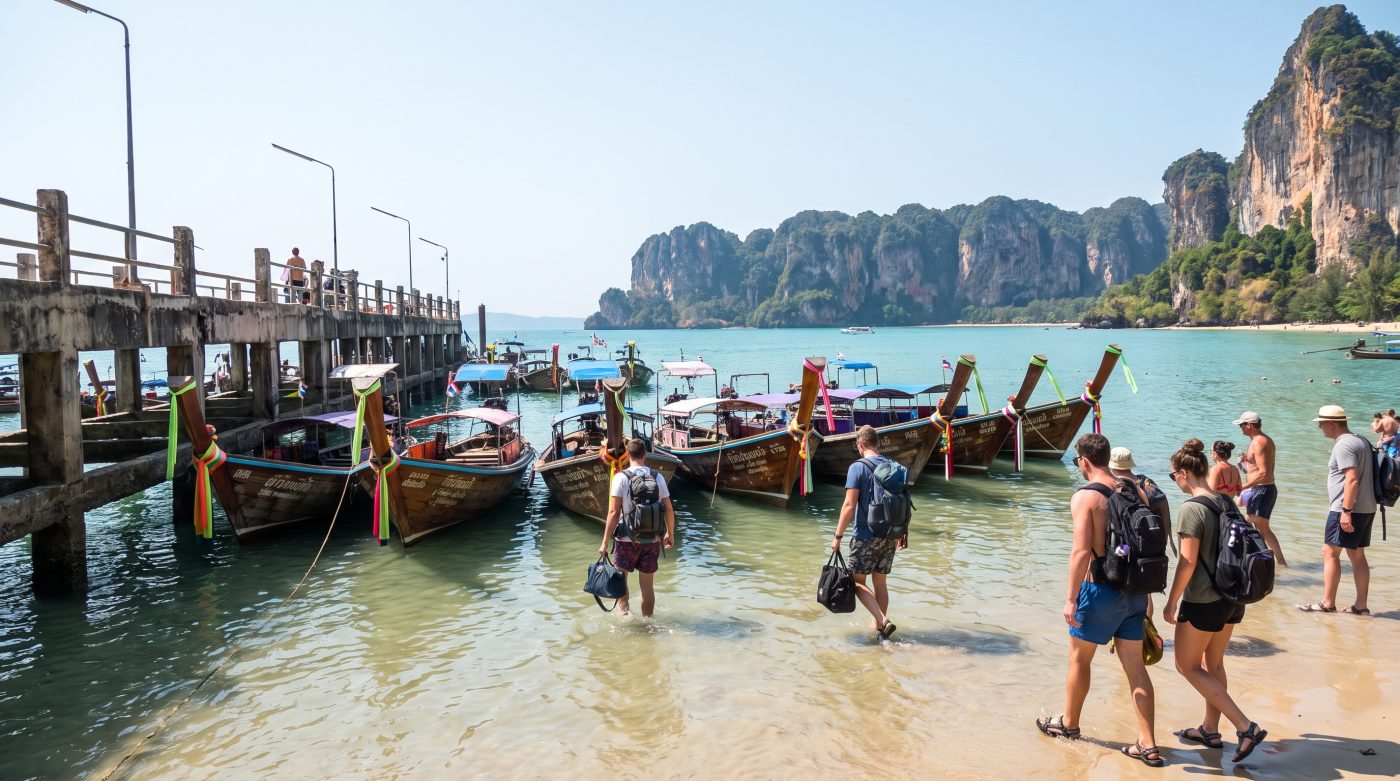
- From Ao Nang: Shared longtail boats run roughly 8am–6pm, about 100 THB (under $3) one way, 10–15 minutes to Railay West Beach. Boats generally wait until about 8 passengers show up before leaving — in quiet periods that can mean a 10-minute wait, in high season it's usually faster. Night boats run later, until around midnight, with fewer departures and a surcharge (expect roughly 150 THB total after 6pm).
- From Krabi Town: Head to Ao Nam Mao pier instead of Ao Nang. Boats run about every two hours from 9am, 100 THB one way, around 15 minutes, landing at Railay East Pier rather than Railay West. Departures are less frequent than from Ao Nang, so build in buffer time.
- From Krabi Airport (KBV): There's no direct route — you still go through Ao Nang or Ao Nam Mao. A private transfer takes roughly 30 minutes to Ao Nang (around $14), versus an hourly public shuttle (around $4) that takes about an hour and typically drops you in Ao Nang town itself, short of the actual boat pier.
A few things that trip people up every season, confirmed across multiple recent traveler reports: boats are cash only, and small notes help. At low tide the water recedes far out, so you may wade through shallow water or wet sand to board — a dry bag for your phone and passport is worth packing. Don't pre-book a return trip from Railay back to Ao Nang; several operators run the route, and buying a ticket in person once you know your timing is simpler and just as cheap. Do ask a boat operator what the last departure time is before you settle in for the day, since the honest answer from people who've gotten this wrong is that "the boats will stop eventually."
Railay West vs. Railay East vs. Tonsai vs. Phra Nang
These are really one small peninsula split into four named stretches of sand, all five to ten minutes' walk from each other:
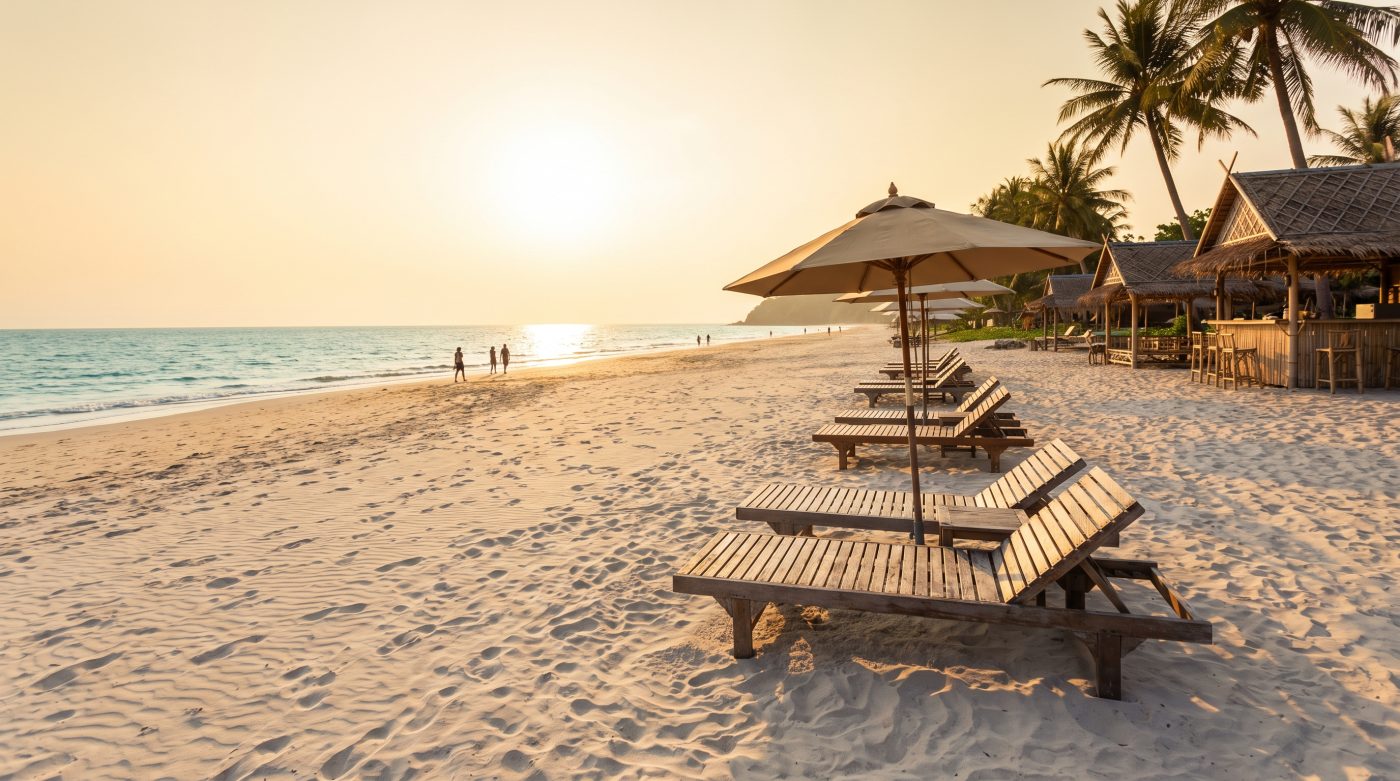
- Railay West: The postcard beach — good swimming, reliable sunsets, a small walking street of shops and restaurants. Generally the quieter, slightly more upscale side, and where boats from Ao Nang land.
- Railay East: More budget guesthouses, food stalls, and nightlife, but the beach itself turns to mangrove mud at low tide — it looks far better at high tide. Boats from Ao Nam Mao near Krabi Town land here.
- Phra Nang (Princess Lagoon): A short walk south from Railay East, and the beach most people are picturing when they look up Railay photos — dramatic limestone towers, a cave shrine, clear water. Worth the walk even on a day trip.
- Tonsai: Next door, connected to Railay East by a jungle trail that's only reliably walkable at high tide (ask locally before relying on it, especially with luggage). Tonsai is the budget, climbing-focused, laid-back side of the peninsula.
Rock climbing at Railay — worth trying even if you've never climbed
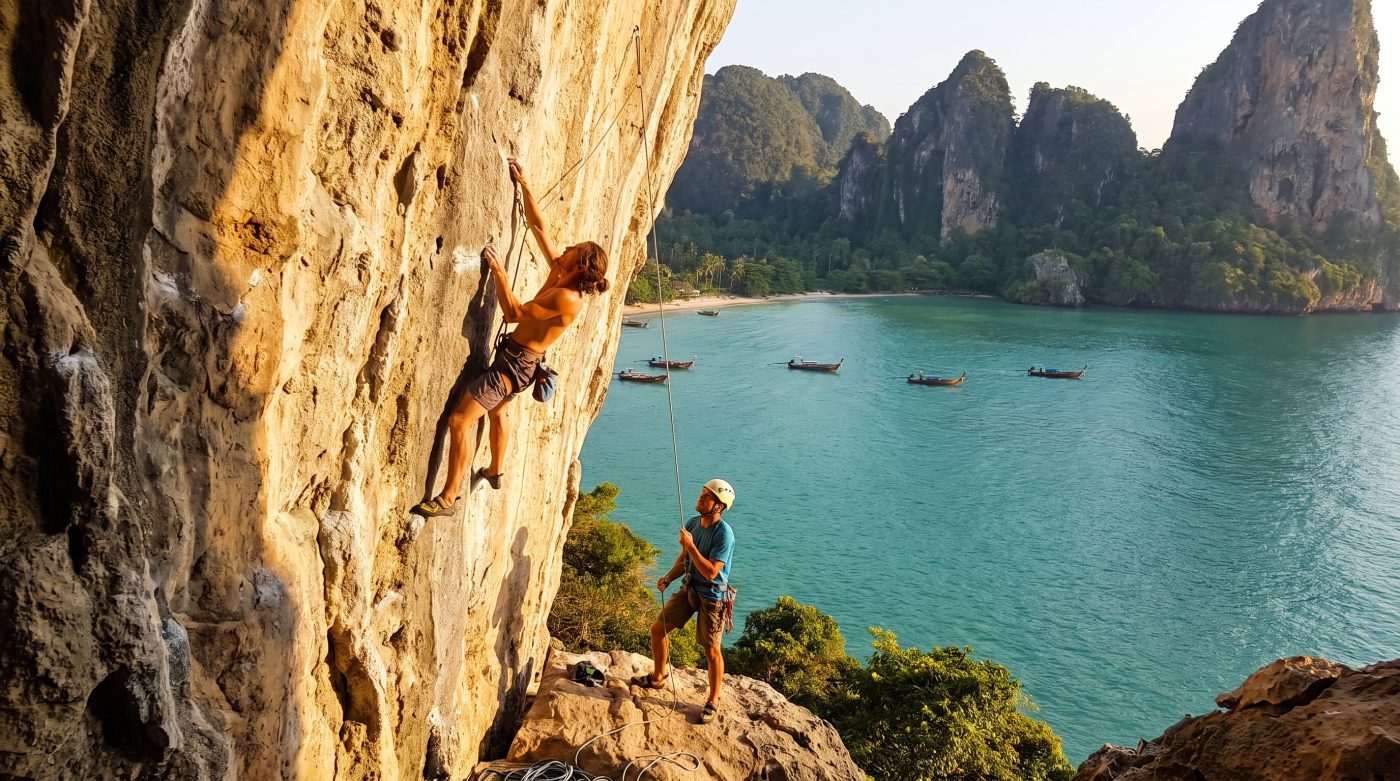
Railay and Tonsai are one of Southeast Asia's best-known climbing spots, and that's a real part of what sets the area apart from a normal beach stop like Ao Nang. Half-day beginner courses run around 1,000 THB (roughly $28–30) per person, typically 9am–1pm or 2pm–6pm, and usually include gear, a guide, water, lunch, and the climbing school's own trip insurance for the activity itself — worth noting that's separate from any travel insurance policy you're already carrying, and worth checking what your own policy actually covers for climbing before you go. The 1-2-3 Wall is the standard beginner/intermediate spot; Diamond Cave Wall (routes graded roughly 5 to 7a) is more for climbers with some experience. You don't need a gym background to try a half-day course, and guides keep a close eye on first-timers — you can stop and come down at any point if a route feels like too much.
Day trip or overnight stay?
A day trip from Ao Nang works and is what most visitors actually do — a few hours is genuinely enough to see Phra Nang, swim, and grab lunch. But a few honest tradeoffs are worth knowing before you decide: afternoon winds can make the return boat ride bumpy and wet, December through March gets crowded enough that early arrival matters, and if you're carrying much luggage, a day-trip boat (that stops in shallow water at low tide) is a worse experience than an overnight bag. Climbers and anyone who wants Railay's famous sunset without racing a boat schedule tend to stay at least one night. It's also worth knowing honestly that Railay has grown busier and a bit more developed over the years — more longtail-boat food vendors, more day-trip crowds at midday — and at least one recent traveler report flagged litter on Phra Nang Beach as a real, if inconsistent, complaint. None of that changes the boat-only basics above, but it's a fair expectation to set before you go, especially if you're picturing the untouched version from older photos.

Mistakes people make getting to and from Railay
- Booking a return boat ticket in advance. Multiple operators run the same route and sell tickets right at Railay when you're ready — there's no real advantage to pre-booking, and it can box you into a time you don't want.
- Not checking the last boat time. Daytime departures taper off by evening, and asking "what's the last boat?" when you arrive costs nothing.
- Packing like it's a normal pier, not a beach landing. Boats often stop in a foot or so of water, especially at low tide. A rolling suitcase is a bad time; a bag you can carry is much easier.
- Assuming a scooter or car can get you there. It can get you to Ao Nang or Ao Nam Mao pier — never to Railay itself. If you're renting a scooter elsewhere in Krabi, park it at the pier that matches where you plan to pick it back up.
- Underestimating the airport-to-pier leg. Landing at Krabi Airport doesn't put you anywhere near a boat — you still need to get to Ao Nang or Ao Nam Mao first, and the public shuttle option generally stops short of the actual pier.
If you're flying into Krabi later in the day, the public airport shuttle's habit of dropping you in Ao Nang town rather than at the pier itself can eat into the window for an easy, affordable longtail crossing. A private transfer booked straight through removes that last-mile guesswork — worth it specifically because there's no way to skip the boat leg no matter how you get to Ao Nang.
Compare private transfer options →For the cost side of all this, see our Thailand trip cost breakdown, and for picking a home base nearby, our Krabi vs. Phuket comparison. If Railay is one stop on a bigger island-hopping run, our island-hopping guide covers the ferry and speedboat logistics beyond this one short crossing, and our best time to visit Thailand guide has the month-by-month breakdown for dodging the worst of the crowds and the wind.
▶Watch on VacaHack
Quick answers
Can you drive to Railay Beach?
No. The limestone cliffs surrounding Railay cut it off from the road network entirely — no cars or scooters can get in or out. The only way in is a longtail boat from Ao Nang or Ao Nam Mao pier near Krabi Town.
How much does the boat to Railay Beach cost?
Around 100 THB (about $3) one way from Ao Nang during the day (roughly 8amxe2x80x936pm). Night crossings after 6pm typically run closer to 150 THB total. Boats from Ao Nam Mao near Krabi Town are similarly priced. Confirm the current price locally, since it does drift.
Is Railay worth a day trip, or should I stay overnight?
A day trip from Ao Nang is enough to see Phra Nang Beach and the main sights, and it's what most visitors do. Staying overnight is worth it if you want the sunset without racing a boat schedule, plan to try rock climbing, or want to avoid midday crowds and afternoon wind on the return crossing.
Which is better, Railay West or Railay East?
Railay West has the better swimming beach and reliable sunsets with a quieter feel; Railay East has more budget food and nightlife but the beach turns to mangrove mud at low tide. They're only about five to ten minutes apart on foot, so many visitors see both.
Do you need climbing experience to climb at Railay?
No. Half-day beginner courses (around 1,000 THB, roughly $28–30) include a guide, gear, and instruction, and the 1-2-3 Wall is set up for first-timers. You can stop and come down at any point during a guided climb.
How do you get from Krabi Airport to Railay Beach?
There's no direct route. Take a private transfer or the public shuttle bus to Ao Nang (or to Ao Nam Mao pier near Krabi Town), then a longtail boat onward — the boat leg can't be skipped no matter how you reach the mainland side.