How to Island-Hop in Thailand: Ferries, Speedboats, and a Realistic Route
Island-hopping in Thailand doesn't mean one connected ferry network you can hop around freely — it means two separate boat systems (Gulf of Thailand and Andaman Sea) that barely talk to each other, run by several competing operators, on schedules that shrink in the off-season. Pick one coast, book ahead in high season, and budget a full transfer day between non-adjacent islands, and it works well. Try to freelance it with wheeled suitcases and same-day tickets in December, and it won't.
The first thing to get right: Gulf side or Andaman side, not both
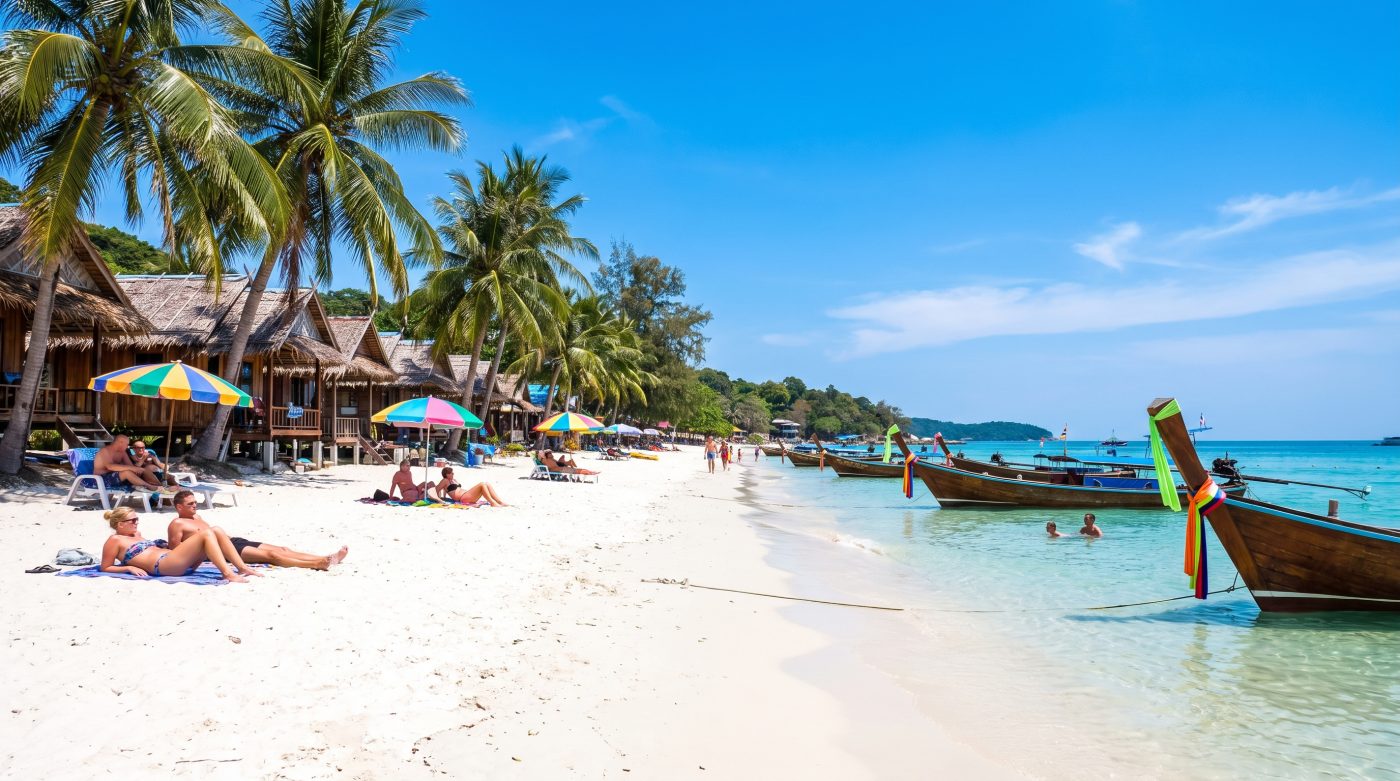
Thailand's two main island clusters sit on opposite coasts, and they are not set up to be combined on one hopping trip. The Gulf of Thailand side covers Koh Samui, Koh Phangan, and Koh Tao, all reachable from the mainland piers near Surat Thani and Chumphon. The Andaman Sea side covers Phuket, Koh Phi Phi, Krabi/Railay, Koh Lanta, and the Koh Lipe area further south near Trang and Pak Bara.
There's no direct boat between the two coasts. Getting from one to the other means a bus or flight across the peninsula followed by a separate ferry leg — realistically 6 to 8 hours or more door to door, sometimes with an overnight involved. Most people who try to string both coasts into one "island hopping" itinerary end up spending a full travel day on what amounts to a coast change, not a hop. It's usually smarter to treat it as two separate trips, or pick one coast and go deep on it. We've covered the Gulf islands against each other in our Koh Samui vs Koh Phangan vs Koh Tao guide, and the Andaman side in our Krabi vs Phuket comparison — both are worth reading before you pick a coast.
How the boats actually work: ferries, speedboats, and catamarans
Within a coast, you're usually choosing between two tiers of boat, and the choice is a real tradeoff, not just a price difference:
- Slow car/passenger ferries — cheaper, calmer, and slower. These are the workhorses for routes like the mainland-to-Koh-Samui crossing or the Koh Lanta car ferry.
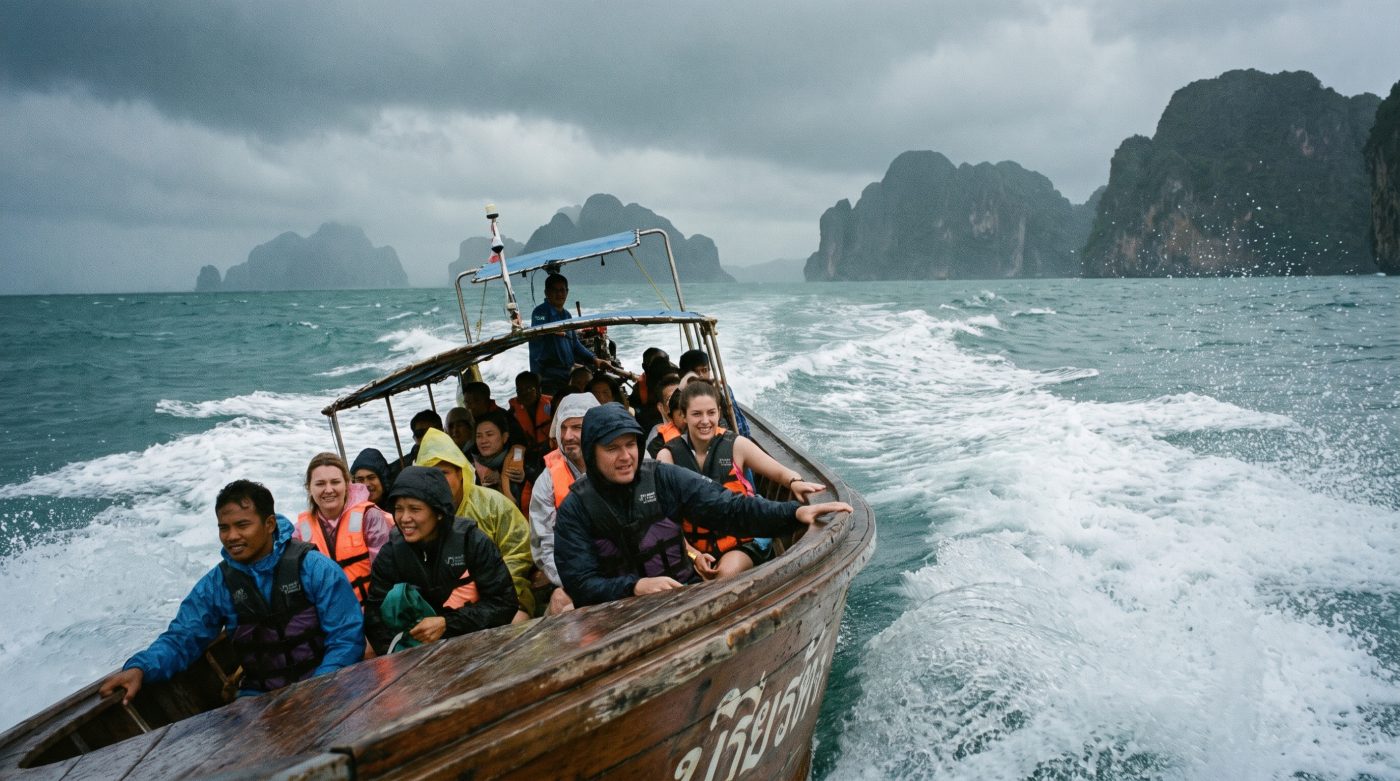
- Fast catamarans and speedboats — companies like Lomprayah and Seatran run the main Gulf routes (Chumphon/Surat Thani ↔ Koh Tao ↔ Koh Phangan ↔ Koh Samui); a handful of smaller operators run the equivalent fast routes on the Andaman side. These cut travel time significantly but cost more, and on the more exposed Andaman crossings the smaller boats (often 20 to 30 passengers) bounce hard in anything but calm water. If you get seasick easily, bring tablets and consider the slower ferry instead.
One detail that catches first-timers off guard: the cabin on fast boats is usually blasted with air conditioning cold enough to want a hoodie, while the open deck is hot enough for sunscreen and a hat. Dress for both in the same hour.
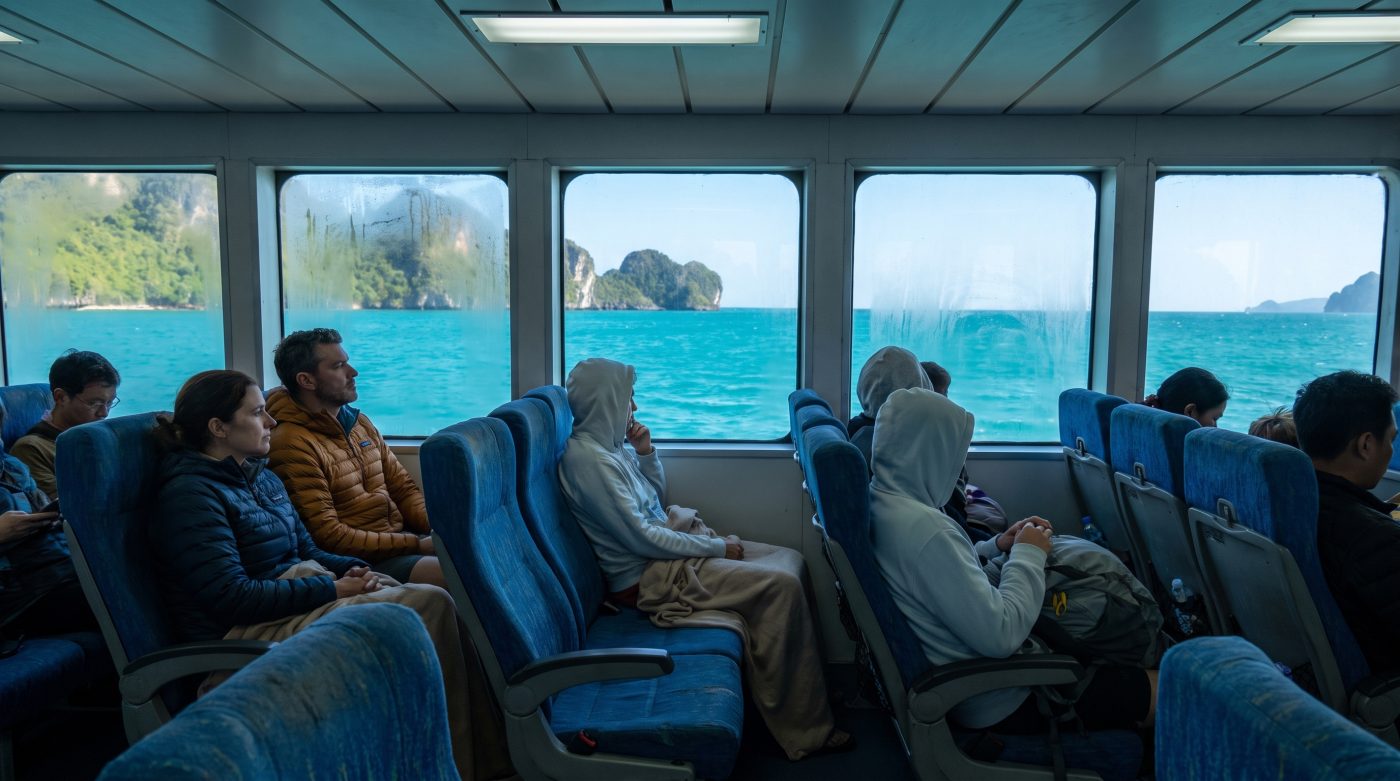
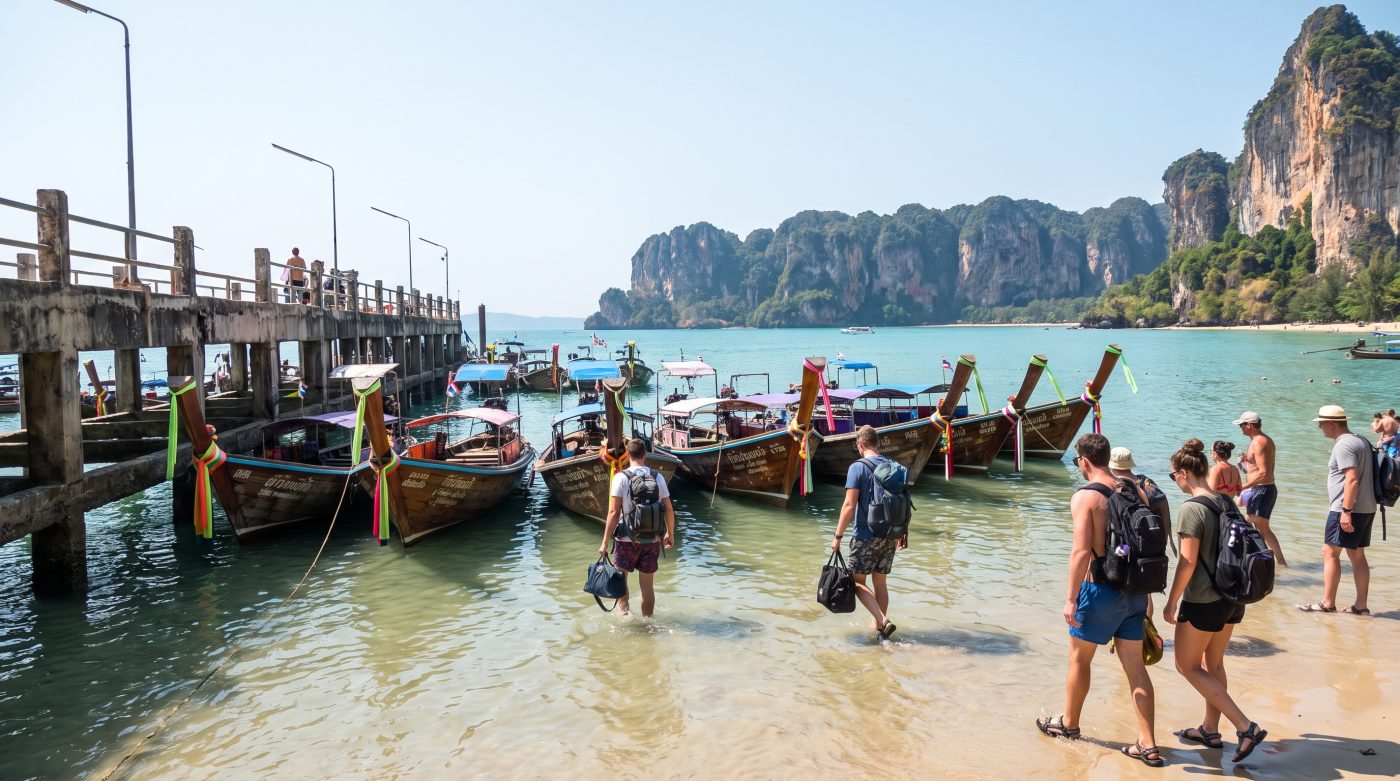
Boarding itself can be its own adventure: departures reportedly running 30 to 60+ minutes behind schedule aren't unusual in peer travel reports, and the loading process at some piers has been described as organized chaos more than an orderly queue. None of this means skip it — it means build in slack rather than booking a same-day onward connection right after you land.
What it actually costs
Fares vary by operator, route distance, and season, so treat these as a ballpark rather than a quote — always check current prices before you book:
- Short, slower crossings (for example, the mainland car ferry over to Koh Samui): roughly 150–300 THB (about $4–$8).
- Longer fast-boat routes (for example, Chumphon to Koh Tao by catamaran, or Phuket to Phi Phi by speedboat): roughly 450–750 THB one-way on the routes we checked, and some longer or premium express routes run up to 1,000–1,500 THB.
For the rest of the trip's costs, our Thailand budget breakdown has the fuller picture of what a trip actually runs.
Booking ahead: when "I'll just buy it there" backfires
In low season or on quieter routes, walking up to a pier counter same-day is often fine. In high season — broadly December through April — it isn't. Early-morning departures (the ones that get you to your next island with the day still ahead of you) are the ones that sell out first, sometimes days in advance. Booking platforms and travel agencies that bundle a minivan-plus-ferry ticket exist specifically because they guarantee the connection even if the land leg runs late — worth considering over buying the two legs separately if your onward boat only runs once or twice a day.
The pier-transfer trap
The part of island-hopping that actually strands people isn't usually the boat — it's the leg before the boat. A lot of the better island-hopping piers (Pak Bara for the Koh Lipe area, Donsak or the Surat Thani pier for the Gulf islands) sit an hour or more from the nearest airport or town, and on the smaller, less-frequent routes there's genuinely one sailing a day, sometimes two. A shared minivan that's running late, or a taxi that can't find the right pier entrance, can mean missing the only boat and losing a full day waiting for the next one.
If your route depends on a single daily sailing from a pier that isn't a five-minute walk from your hotel, locking in a private transfer with a fixed pickup time removes that risk — you're not gambling on a shared van's other passengers or a driver who's never heard of the specific pier gate you need.
Heading to a pier with only one or two sailings a day? A private transfer with a guaranteed pickup time is one less way your island-hopping day can fall apart.
Compare private transfer prices →Realistic routes, by coast
A few shapes that actually work without over-packing the schedule:
- Gulf, one week: fly or bus to Surat Thani or Chumphon → Koh Tao (3–4 nights, diving/snorkeling) → Koh Phangan (2–3 nights) → Koh Samui (2 nights, fly out). Our best islands for snorkeling and diving guide has more on the Koh Tao leg specifically.
- Andaman, one week: fly into Phuket or Krabi → Koh Phi Phi (2 nights) → Koh Lanta (3–4 nights, quieter pace) → back to Krabi to fly out. Our Koh Lanta guide and Phi Phi day-trip guide cover each stop in more depth.
- Andaman, further south: adding Koh Lipe is possible but means a longer, less frequent boat leg from Pak Bara or Langkawi — worth it if you have 10+ days, a stretch if you only have a week.
In both cases, the mistake to avoid is cramming in one more island than the calendar supports. Two nights minimum per stop, plus a full day whenever you change islands, is a more honest planning number than most quick-itinerary posts admit.
Packing and practical tips for boat travel
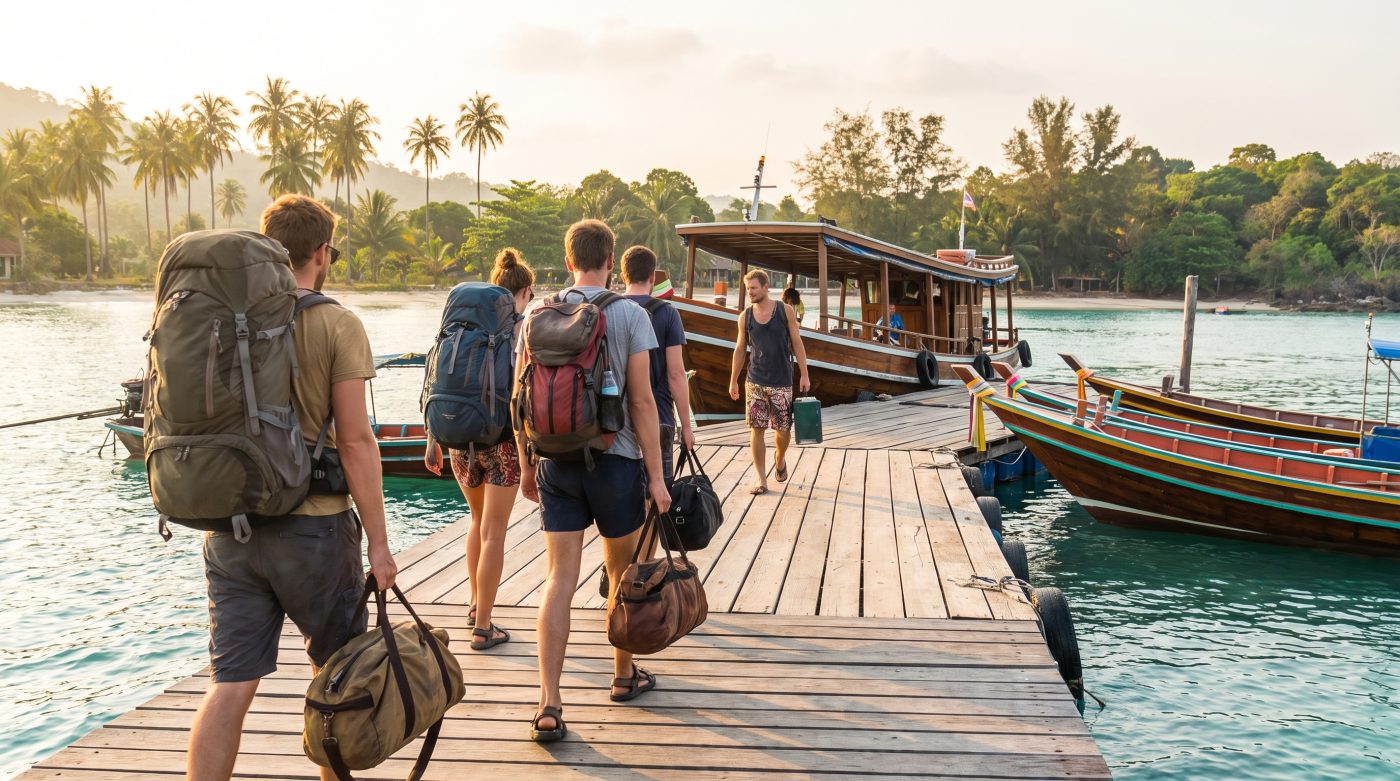
- Backpack or soft duffel, not a wheeled suitcase — floating piers, boat decks, and sandy beach landings are all hard on wheels.
- Bring more cash than you think you need — smaller islands and stops along the way don't all have reliable card acceptance or ATMs.
- A light layer for the cabin, sun protection for the deck — you'll likely want both on the same crossing.
- Motion sickness tablets if you're prone to it, especially for the smaller Andaman-side speedboats.
Seasonal timing: when the boats actually run
Thailand's two coasts have opposite monsoon patterns, and it affects which routes are even running, not just how comfortable the crossing is. Andaman-side conditions get roughest roughly May through October, and some of the smaller, less-trafficked speedboat routes (particularly further south toward Koh Lipe) scale back or pause entirely for part of that window, picking back up around October or November. Gulf-side crossings tend to get their roughest stretch in the opposite months, roughly November through January. Exact dates shift from year to year and operator to operator, so confirm current schedules directly with the ferry company or a booking site before you lock in dates — don't plan a tight itinerary around a route that might not be running that week. Our best time to visit Thailand guide has the fuller month-by-month breakdown.
▶Watch on VacaHack
Quick answers
Can you island-hop between Phuket and Koh Samui?
Not really as a direct hop. Phuket is on the Andaman Sea coast and Koh Samui is on the Gulf of Thailand coast, and there is no direct boat between them. Getting from one to the other takes a bus or flight across the peninsula plus a separate ferry leg, realistically 6 to 8 hours or more, so most travelers treat the two coasts as separate trips rather than one island-hopping route.
Is it cheaper to take the slow ferry or the fast speedboat in Thailand?
The slow car/passenger ferries are cheaper, roughly 150-300 THB for short mainland-to-island crossings. Fast catamarans and speedboats cost more, roughly 450-1,500 THB depending on distance and operator, but save significant time. Speedboats also ride rougher in choppy water, especially the smaller Andaman-side boats.
Do I need to book Thailand ferry tickets in advance?
In high season, roughly December through April, yes. Early-morning departures in particular can sell out a day or more ahead. In low season, buying same-day at the pier is often fine, but it is still safer to book ahead if your plans depend on a specific sailing.
Do Thailand's island-hopping boats run all year?
Not on every route. Some of the smaller, less-frequent Andaman-side speedboat routes scale back or pause during the roughest part of the monsoon season, typically within the May-to-October window, picking back up around October or November. Gulf-side crossings tend to get roughest in the opposite months, roughly November through January. Exact dates vary by year and operator, so confirm current schedules before booking.
How many islands can you realistically visit on one Thailand trip?
Fewer than most quick itineraries suggest. A reasonable planning rule is at least 2 nights per island plus a full transfer day whenever you move to a non-adjacent island. For a one-week trip, two or three stops on a single coast is more realistic than trying to string together four or five.
What should I pack for island-hopping by boat in Thailand?
A backpack or soft duffel instead of a wheeled suitcase (floating piers, boat decks, and sandy landings are hard on wheels), a light layer for ice-cold cabin air conditioning, extra cash since smaller islands do not always have reliable card acceptance, and motion sickness tablets if you are prone to it, especially for the bumpier Andaman-side speedboats.