Bangkok Layover: What You Can Actually Do With 12-24 Hours
If you have more than about six hours between flights in Bangkok, it is usually worth leaving the airport — with twelve to twenty-four hours, you can fit in a real half-day or full day in the city and still make your connection comfortably. Under five or six hours, staying airside is almost always the safer call once you factor in immigration, transport, and the trip back.
How many hours do you actually need?
Forum threads on this are full of travelers doing exactly this math, and the honest answer depends on immigration, not just travel time. Real timing brackets that hold up:
- Under 5–6 hours: stay airside. By the time you clear immigration on the way back in, get through security again, and account for a delay, you will have spent most of your layover in transit rather than in the city.
- 6–8 hours: a tight but doable loop — think one temple or one neighborhood, not a checklist.
- 8–12 hours: a real half-day itinerary with a proper meal, and still enough buffer to not stress about traffic.
- 12–24 hours: a genuine day in Bangkok, plus time to shower or nap at a day-use hotel room before heading back.
These brackets assume you clear immigration at Suvarnabhumi or Don Mueang on a single stamp — if your itinerary has you connecting between the two different airports, add at least another hour or two (more on that below).
Do you need a visa to leave the airport?
If you leave the terminal, you are legally entering Thailand the same as any other arriving traveler — there is no separate, lighter-touch "layover visa" category. The visa-exemption, e-visa, or visa-on-arrival rules that apply to any tourist from your passport's country apply to you too. The only way to skip that is staying airside on a single through-ticket where you never collect your bags or clear immigration.
Worth flagging clearly: Thailand's entry rules have been genuinely unstable through 2026. A broad visa overhaul was approved by the Thai Cabinet in May and individual countries' status kept shifting afterward — India's rules changed again as recently as mid-July. Whatever applied on your last trip, or whatever a forum post from a few months ago says, may not be current by the time you land. Check our Thailand visa exemption, e-visa, and visa-on-arrival guide for how the system currently works, and confirm against an official source close to your travel date rather than assuming. You'll also need to fill out Thailand's Digital Arrival Card before you clear immigration if you're leaving the airport — transit passengers who stay airside on a through-ticket don't need it.
Suvarnabhumi vs. Don Mueang — and what if your connection is at the other one
Bangkok has two airports, and this trips up more layover travelers than almost anything else on this list. Suvarnabhumi (BKK) handles most full-service international carriers; Don Mueang (DMK) handles most low-cost carriers, including a lot of intra-Asia budget routes. If your arriving and departing flights use different airlines, there's a real chance they land at different airports.
Transferring between BKK and DMK by road typically runs 45 minutes to over an hour depending on traffic, on top of needing to clear immigration and check in again as if starting a fresh trip. If your booking has you on two separate airports, build in real buffer — this is exactly the kind of connection layover-advice threads warn people not to cut close.
Getting into the city and back without cutting it close
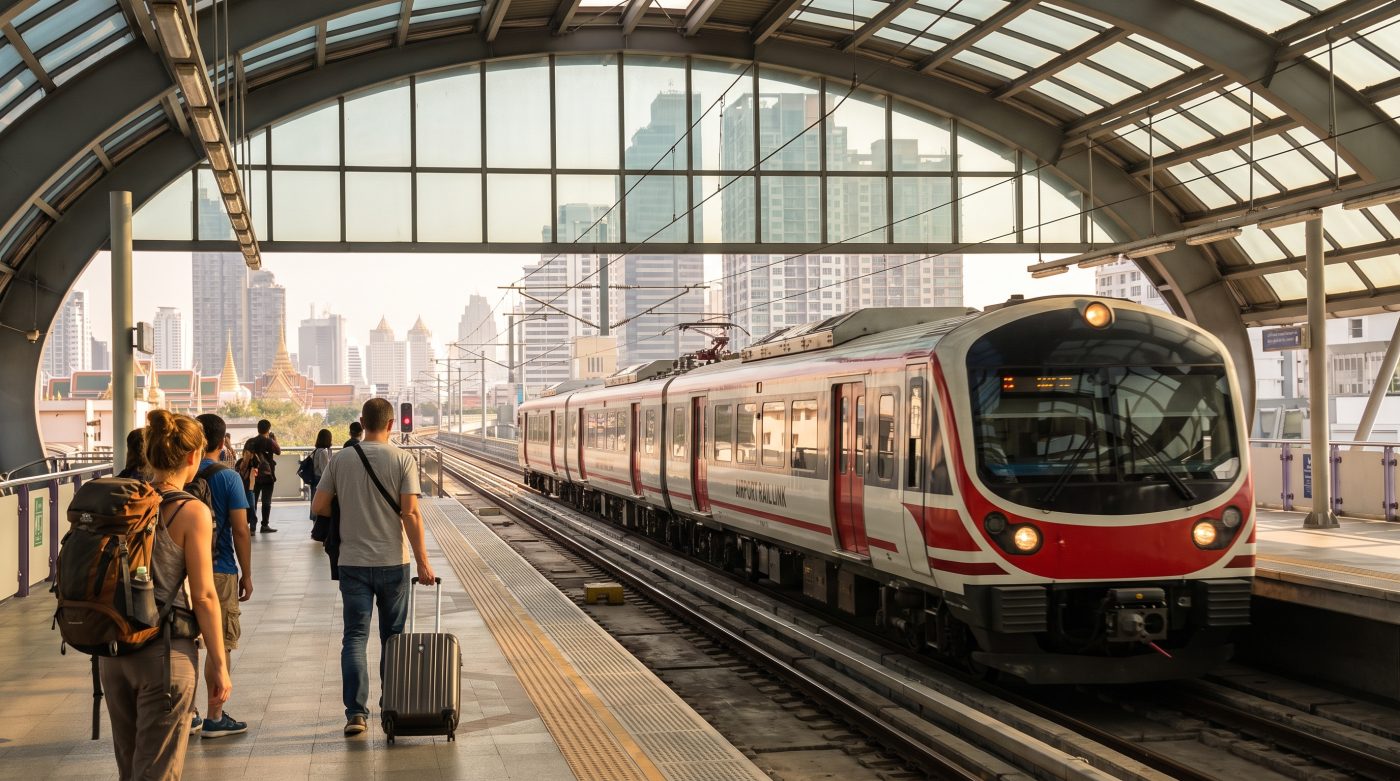
The Airport Rail Link (ARL) from Suvarnabhumi is the most predictable option into the city — about 25–30 minutes to Phaya Thai station, where it connects to the BTS and MRT lines, largely immune to road traffic. A taxi or Grab is more flexible (door to door, no transfers) but is fully exposed to Bangkok traffic, which gets genuinely bad on the roads into and out of the airport during the late-afternoon rush.
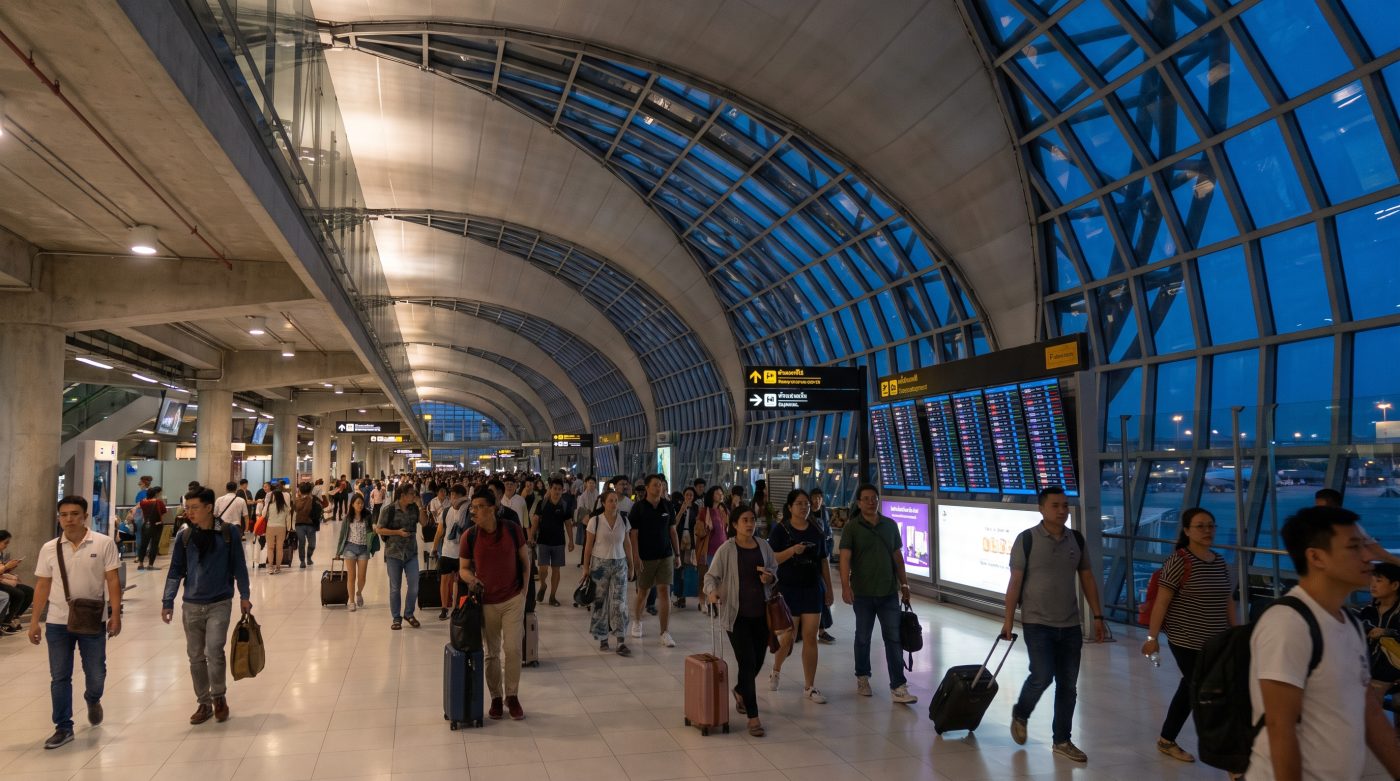
On the way back, build in more margin than feels necessary. Some recent traveler reports describe Suvarnabhumi's immigration queues running two to four hours during peak arrival surges when several long-haul flights land close together — not the norm every day, but frequent enough that experienced travelers plan around it rather than assume a quick walk-through. Combine that with a delayed taxi and a tight layover can unravel fast.
If your layover window is tight and missing the return flight isn't an option, a pre-booked private transfer with a guaranteed pickup time removes the one variable (a stuck taxi, a driver who never shows) that derails more layover itineraries than immigration lines do.
Book a reliable airport transfer →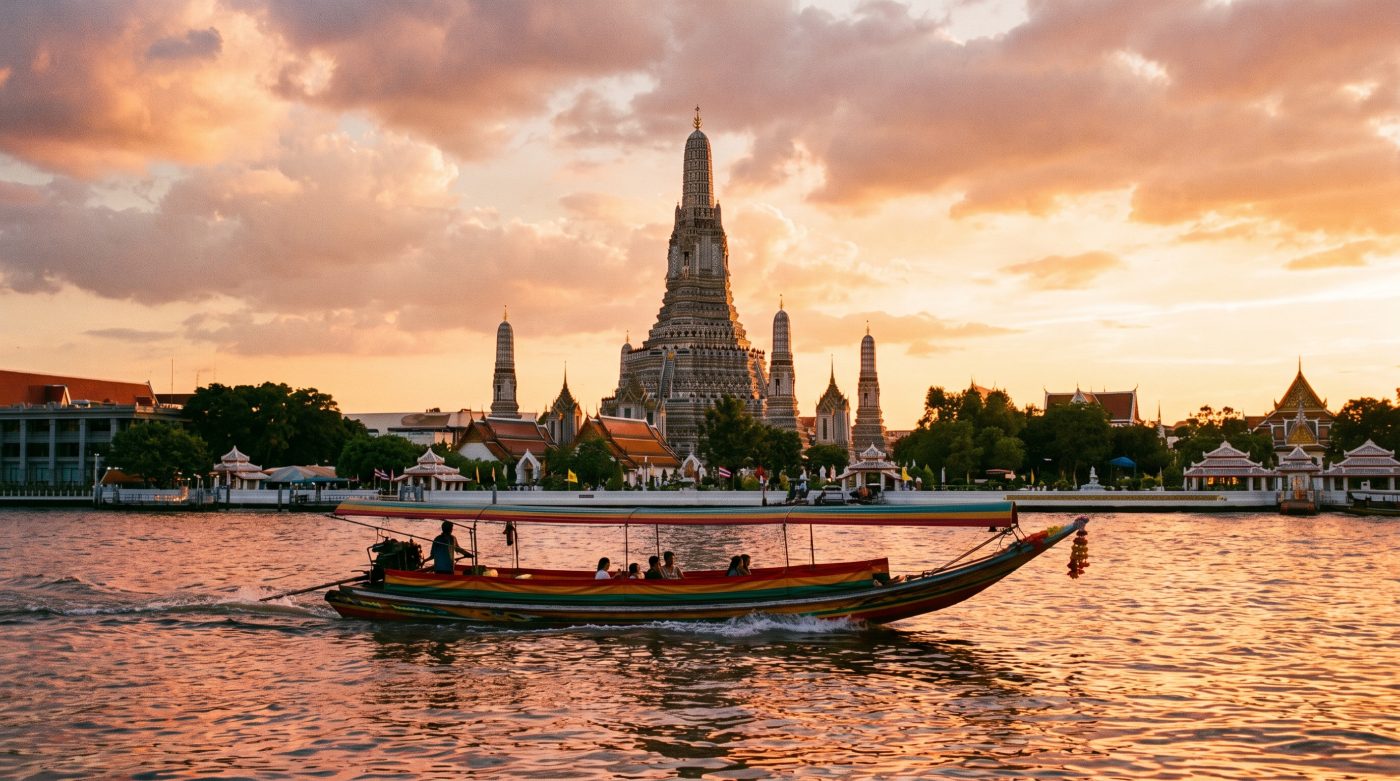
What to actually do with your layover, by time bracket
6–8 hours: keep it to one area. A loop to the river — Wat Arun, a short longtail boat crossing, and a meal at a riverside spot — is doable and doesn't overreach. Alternatively, Terminal 21 mall (accessible via the ARL/BTS interchange) has a well-reviewed, cheap Thai food court if you'd rather eat than sightsee.
8–12 hours: the classic loop is the Grand Palace, Wat Pho, and a walk through Chinatown for lunch or an early dinner. It's a full but realistic half-day if you're moving by mid-morning.
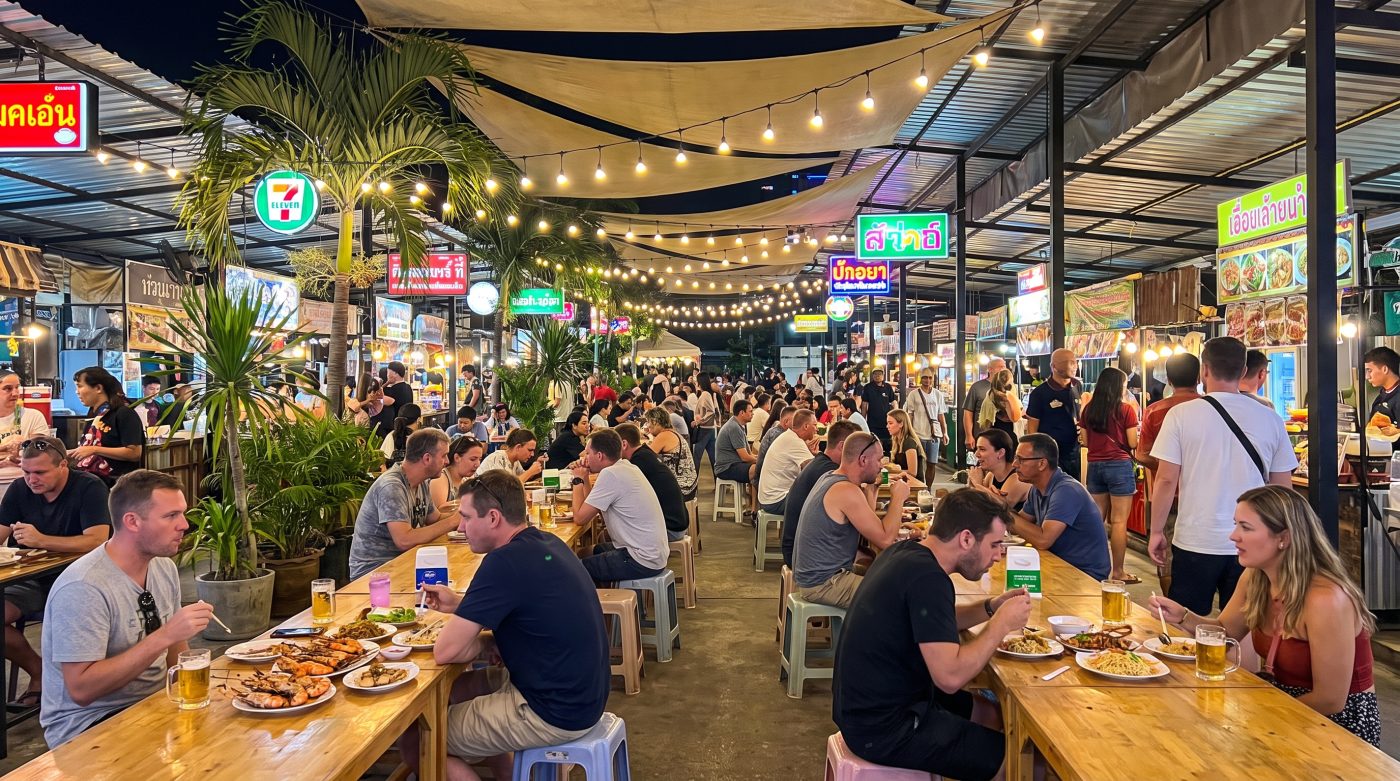
12–24 hours: the above, plus room to slow down — a proper Thai meal sitting down rather than standing, an evening market, and ideally a few hours at a day-use hotel room to shower and rest before an overnight flight. If your layover happens to fall on a Saturday or Sunday, Chatuchak Weekend Market (only open those two days) is worth building the day around instead.
For a fuller sense of what a longer Bangkok stay looks like beyond the layover version, our 3-days-in-Bangkok itinerary covers the same core sights in more depth.
Where to store your luggage
Both Suvarnabhumi and Don Mueang have staffed left-luggage counters (roughly 100–150 THB per day per bag at Suvarnabhumi, similar at Don Mueang), which is the simplest option if you're coming straight back to the same airport. If you'd rather not lug a day bag around the city, storing everything and heading out empty-handed is worth the small fee.
Layover mistakes worth avoiding
- Cutting the return trip too close. Rush hour (roughly 4–7pm) on the roads to both airports can turn a normally 45-minute ride into well over an hour.
- Assuming last trip's visa rules still apply. Given how much Thailand's entry requirements have shifted through 2026, re-check rather than assume.
- Forgetting you're on two separate tickets. If your booking isn't one through-ticket, you're clearing immigration and rechecking bags either way — there's no staying airside.
- Overbooking the itinerary. One area done well beats three rushed stops with no buffer.
Watch on VacaHack
Quick answers
Do I need a visa for a layover in Bangkok if I leave the airport?
Yes, the same rules as any arrival apply the moment you leave the terminal — leaving means clearing immigration into Thailand, so your passport’s normal visa-exemption, e-visa, or visa-on-arrival status applies. The only way to skip a visa is staying airside on a single through-ticket without collecting your bags.
Is 24 hours enough for a Bangkok layover?
Yes — 24 hours is enough for a genuine day in the city (Grand Palace, Wat Pho, Chinatown, or a market) plus a few hours to shower or rest at a day-use hotel room before heading back, as long as you build in real buffer for immigration and traffic on the return trip.
How many hours do I need to safely leave Suvarnabhumi and come back?
Most experienced travelers put the floor around 6 hours for a short loop, and prefer 8 or more for anything beyond staying in one nearby area. Under 5 to 6 hours, staying airside is usually the safer call once immigration and transport time are factored in.
What if my connecting flight is at Don Mueang instead of Suvarnabhumi?
Transferring between Bangkok’s two airports by road typically takes 45 minutes to over an hour depending on traffic, on top of clearing immigration and checking in again as a fresh trip. Add at least an extra hour or two of buffer if your itinerary splits across both airports.
Where can I store my luggage during a Bangkok layover?
Both Suvarnabhumi and Don Mueang have staffed left-luggage counters, typically around 100 to 150 THB per day per bag, which is the simplest option if you’re returning to the same airport.
What should I do with only 4 to 6 hours between flights?
Stay airside. By the time you clear immigration, get through security again on the way back, and allow for any delay, a layover this short is usually spent mostly in transit rather than in the city.