Isaan, Thailand: The Region Most Tourists Skip (And Whether You Should Too)
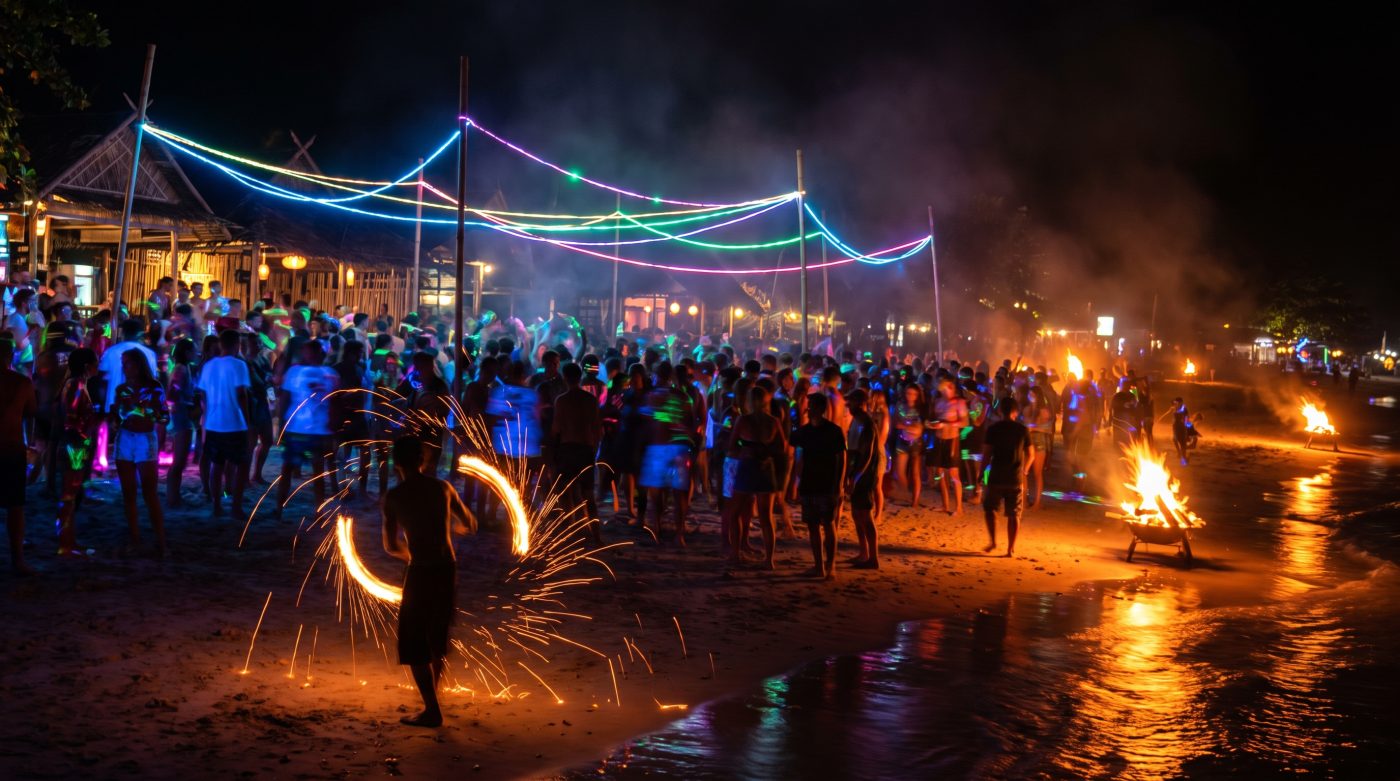
Isaan is the Mekong-river northeast of Thailand — a third of the country by land and population — and most travelers never set foot in it. It's not a lack of things to see; it's that Isaan has no beaches and no full-moon parties, the distances between sights are long, and almost nothing about it shows up on a first-timer's Thailand itinerary. If you're choosing between Isaan and the islands or the north on a first one- or two-week trip, the honest answer is: skip it this time. If you've already done Bangkok, Chiang Mai, and the islands and want to see a Thailand that isn't built around tourists, Isaan is where that trip is.
What Isaan actually is
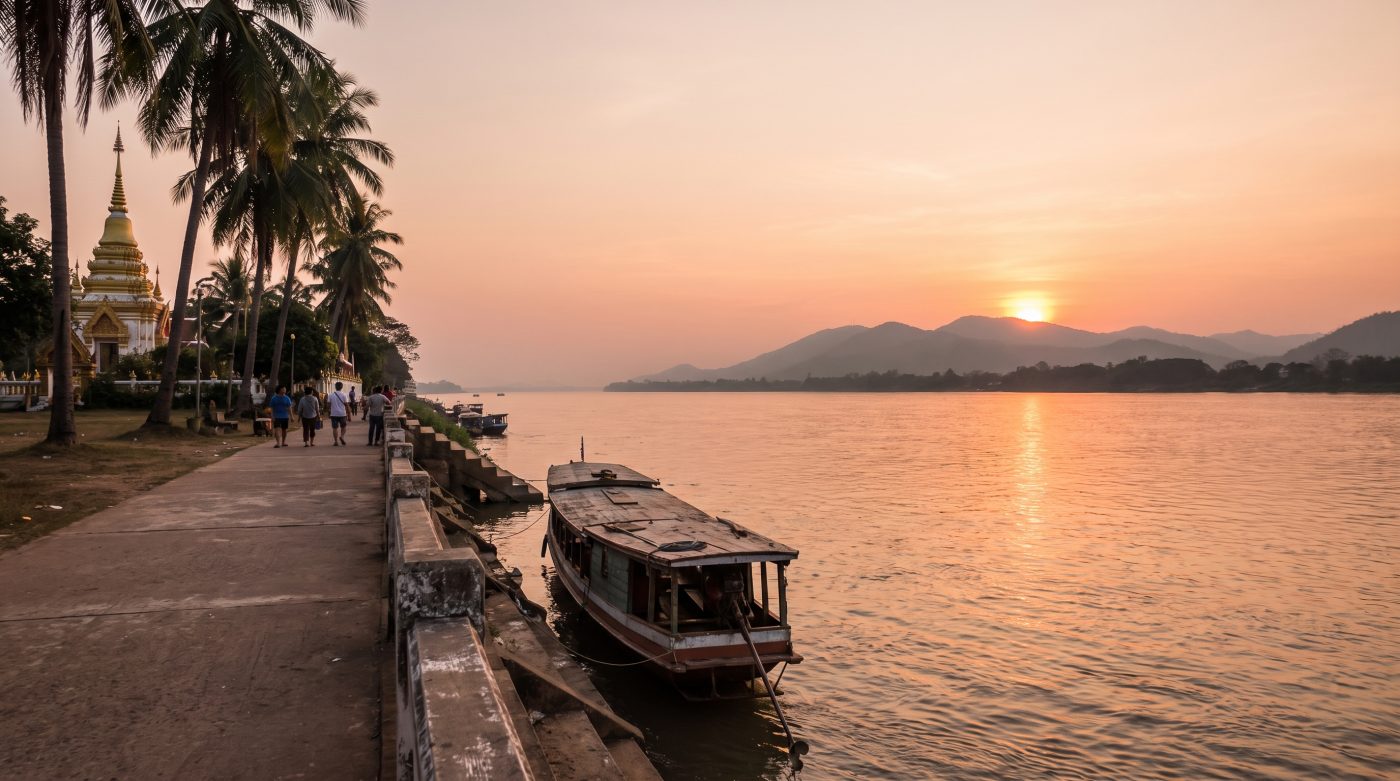
Isaan (also spelled Isan) is Thailand's northeastern plateau — 20 provinces bordered by the Mekong River and Laos to the north and east, and Cambodia to the south. Culturally it's distinct from the rest of Thailand: the local language and food (som tam, sticky rice, grilled meats, larb) are closer to Lao than central Thai, and it's the poorest, most rural region in the country. It's also where a large share of Bangkok's taxi drivers, restaurant staff, and construction workers come from — most Bangkok expats have met more Isaan people than they realize, just not in Isaan itself.
Why most tourists never go
There's no single reason — it's a stack of small ones. There's no coastline, so it doesn't compete with Phuket or Koh Samui for the two-week beach trip. The historical sites are real but spread out across a region roughly the size of England, so unlike Ayutthaya or Chiang Mai you can't cover the highlights in a day or two. Public transport between towns is workable but slow (more on that below), English signage thins out fast outside provincial capitals, and most guidebooks give it a page or two compared to a full chapter each for the north and the islands. None of that means it's not worth seeing — it means it loses out to easier trips when someone only has 10 to 14 days.
What you'd actually be skipping
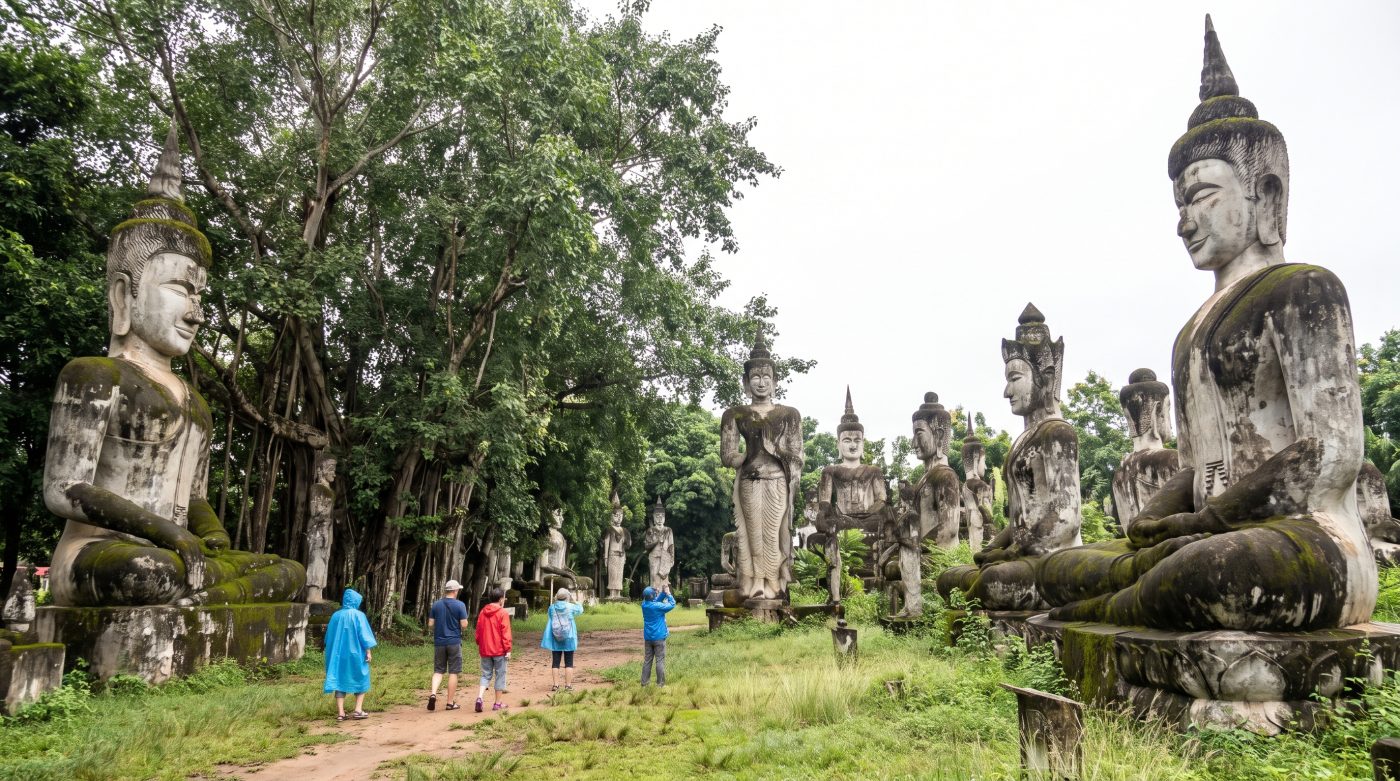
- Sala Kaew Ku (Nong Khai) — a sculpture park of hundreds of surreal, oversized concrete Buddhist and Hindu statues, built starting in 1978 by a self-taught mystic. There's genuinely nothing else like it in Thailand.
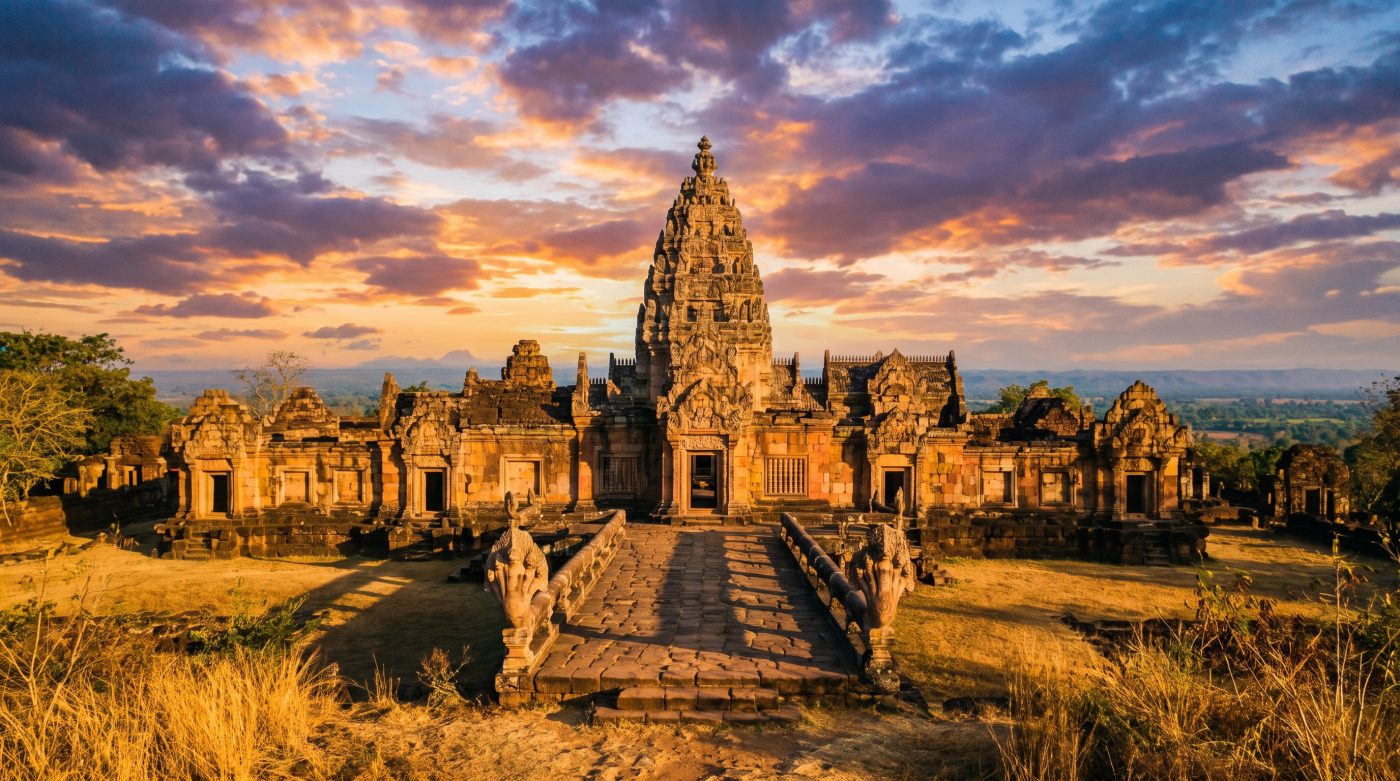
- Phanom Rung (Buriram) — a 10th–12th-century Khmer sanctuary on an extinct volcano, built along the same design tradition as Angkor Wat, with a stone causeway leading up to the central prang. Far fewer visitors than Ayutthaya's ruins.
- Phimai Historical Park (near Nakhon Ratchasima/Korat) — another Khmer temple complex from roughly the same era, an easy day trip from Korat.
- Khao Yai National Park — Thailand's first national park (1962) and a UNESCO World Heritage Site, with waterfalls, hiking, and wild elephants, at a fraction of the crowds you'd find in national parks further south.
- Red Lotus Sea (Udon Thani) — a lake that turns pink-red with blooming lotus flowers, best seen at sunrise, roughly November through February.
- Sam Phan Bok (Ubon Ratchathani) — sandstone rock formations in the Mekong nicknamed the "Grand Canyon of Thailand," fully visible only in dry season (roughly February–May) when the river is low.
- That Phanom (Nakhon Phanom) — one of Thailand's most revered stupas, on the Mekong with Laos visible across the water.
Getting there and getting around
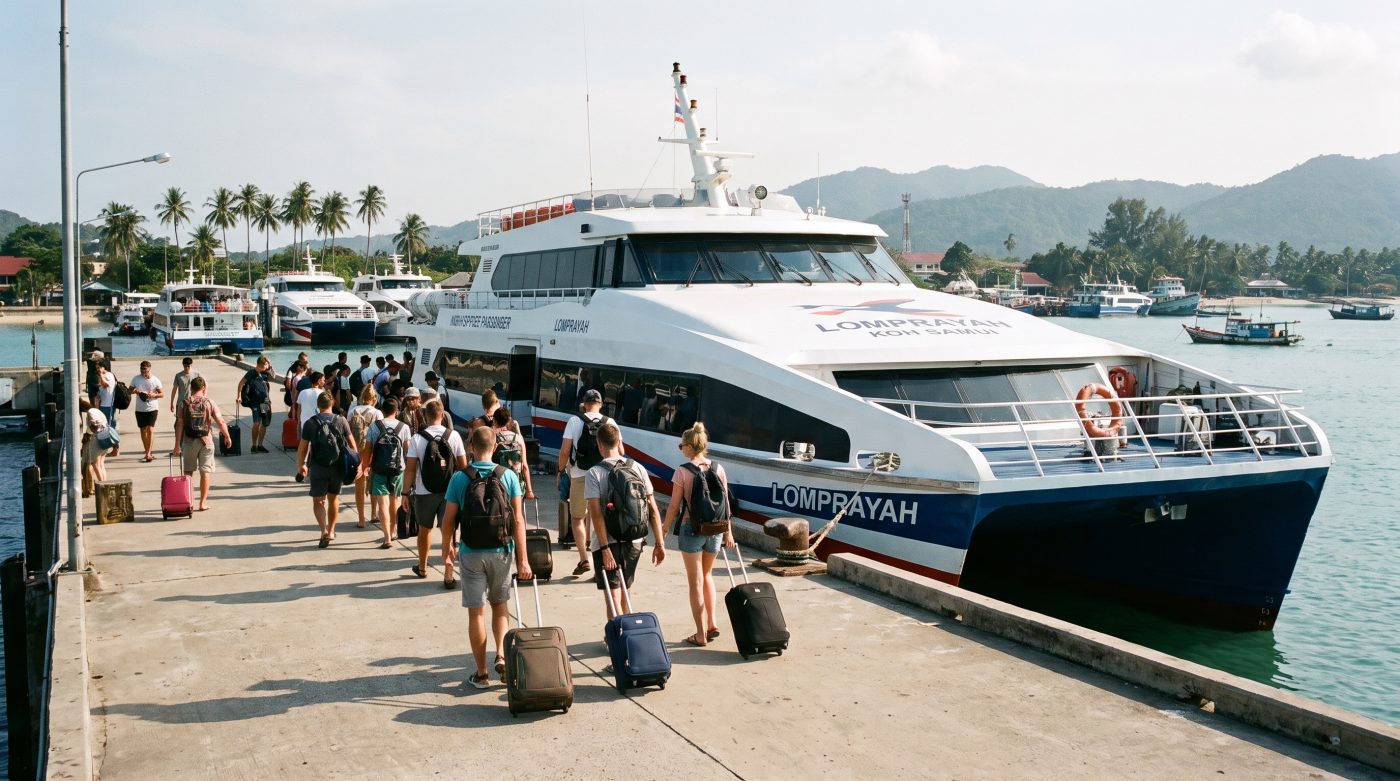
From Bangkok, you've got three realistic options to reach an Isaan hub city like Khon Kaen or Udon Thani: a roughly one-hour flight (budget carriers run this route regularly, often well under a full-price ticket to Chiang Mai), an overnight or daytime train from Krung Thep Aphiwat Central Terminal (7.5+ hours), or a long-distance bus from Mo Chit terminal (7–9.5 hours depending on the city, operators like Nakhonchai Air and Sombat Tour run this regularly). None of those are hard to book — the harder part starts once you land.
Isaan's public transport gets noticeably thinner once you're between provincial capitals. Travelers on Tripadvisor's Thailand forum planning multi-city Isaan trips consistently report the same friction: taxis are scarce outside the bigger towns, intercity buses run but are slow, and rental bike shops in smaller Isaan towns are hit-or-miss on quality — several posters said flatly they'd never found a place renting genuinely good bikes there. The advice that comes up again and again is to arrange a car and driver through your hotel for the day, or rent a car with GPS if you're comfortable driving in Thailand, rather than relying on finding transport town to town.
If you're stringing together more than one or two Isaan towns and don't want to gamble on finding a taxi or a decent rental bike once you're there, it's worth arranging a private car and driver ahead of time instead of hoping one turns up locally.
Check private transfer options →How many days you actually need
If you're only stopping at one city — say, Khon Kaen or Korat as a detour — two or three days is enough. But if you want to see more than a couple of Isaan's highlights, most people who've actually done it recommend at least a week, and treating it as a one-way route (start in one city, end in another) rather than a loop, since backtracking eats the time savings of flying in. Isaan rewards a slower trip more than a rushed one — the appeal is largely the absence of a packed itinerary.
The Cambodia border situation — check this before you go
Several of Isaan's southern provinces — Ubon Ratchathani, Si Sa Ket, Surin, and Buri Ram — sit directly on the Thailand-Cambodia border, where security measures have been in place following border tensions. As of the most recent advisory we could verify, specific border-area sites were closed to visitors, including Prasat Ta Muen Thom and Prasat Ta Kwai in Surin, and Khao Phra Wihan National Park in Si Sa Ket, with some roads and border checkpoints also restricted (avoid Route 348 toward Non Din Daeng in Buri Ram). Tourism and travel across the rest of the region, including the highlights listed above, was reported as operating normally — Phanom Rung itself was not on any closure list — but this situation has changed multiple times and could change again by the time you're reading this.
Don't treat anything in this section as current fact by default. Call the Tourism Authority of Thailand hotline (1672) or Tourist Police (1155), or check your embassy's latest travel advisory, before finalizing plans anywhere near the southern Isaan border provinces — and if your route doesn't take you near Surin, Si Sa Ket, or the Buri Ram border zone, none of this affects you.
Is Isaan actually safe?
For petty crime, yes — residents and long-term expats on Thailand forums consistently describe Isaan as low-risk, with the caveat that road accidents are a bigger real danger than crime, same as everywhere else in Thailand. If you're renting a scooter to get around a smaller Isaan town, the same insurance and license considerations covered in our motorbike accident and insurance guide apply here too. At night, the general advice is unremarkable: avoid being out walking alone at 2–3am specifically, since that's when you're most likely to run into intoxicated people, and steer clear of groups of young motorcyclists, who locals say are more prone to picking fights than most other people you'd encounter.
Isaan's hospitals and clinics are real but more spread out than in Bangkok or the tourist islands — worth knowing before you're somewhere rural. Our guides to what to do if you get sick in Thailand and Thailand's emergency numbers both apply here, and matter more here than in cities with a hospital every few blocks.
Is it worth it?
If this is your first trip to Thailand and you've got a week or two, no — put that time into Bangkok, the north, or the islands, all of which are more established for a reason. If you've already done those and want to see the Thailand that exists outside the tourist track — genuinely uncrowded ancient temples, a sculpture park unlike anything else in the country, and towns where you'll be one of a handful of foreigners — Isaan delivers on exactly that, at prices noticeably lower than the coast (our Thailand budget breakdown covers regional cost differences generally). Go in expecting fewer creature comforts and more travel time between stops, and it's one of the better decisions you can make on a second or third Thailand trip.
▶Watch on VacaHack
Quick answers
Is Isaan worth visiting?
For a first Thailand trip, probably not — put your time into Bangkok, the north, or the islands instead. If you have already covered those, Isaan offers genuinely uncrowded Khmer ruins, the Sala Kaew Ku sculpture park, and a much less touristy side of the country, at lower prices than the coast.
How many days do you need in Isaan?
A single detour city like Khon Kaen or Korat can be done in 2-3 days. To see more than a couple of Isaan highlights, plan on at least a week, and travel one-way (start in one city, end in another) rather than looping back.
Is Isaan safe at night?
For petty crime, yes — locals and long-term expats consistently describe it as low-risk. Road accidents are the bigger practical danger, same as elsewhere in Thailand. General advice: avoid being out alone around 2-3am and steer clear of groups of young motorcyclists.
How do you get from Bangkok to Isaan?
Three main options: a roughly 1-hour flight to a hub city like Udon Thani or Khon Kaen, a 7.5+ hour train from Krung Thep Aphiwat Central Terminal, or a 7-9.5 hour bus from Mo Chit terminal. Getting between Isaan towns once you are there is the slower part — taxis are scarce outside provincial capitals.
Is it safe to visit Isaan right now, given the Cambodia border situation?
Most of Isaan is unaffected. Specific border-area sites in Surin, Si Sa Ket, and Buri Ram have had closures and security measures due to Thailand-Cambodia border tensions, while tourism elsewhere in the region has continued normally. This situation changes — check the TAT hotline (1672) or your embassy current advisory before finalizing plans near the southern border provinces.
What makes Isaan different from the rest of Thailand?
Isaan language, food, and culture are closer to Lao than central Thai. It has no coastline and no islands, its historical sites are Khmer ruins rather than the central-Thai temple style seen in Bangkok or Chiang Mai, and it sees far fewer foreign tourists than any other major region.