Grab vs. Taxi vs. Tuk-Tuk in Thailand: Real Prices and How to Avoid Getting Overcharged
For a short city ride, Grab or Bolt will almost always be the cheapest and most predictable option, a metered taxi is a close second as long as the driver actually turns the meter on, and a tuk-tuk is priced however the driver feels like pricing it that day — worth it for the novelty and for weaving through gridlock, not for value.
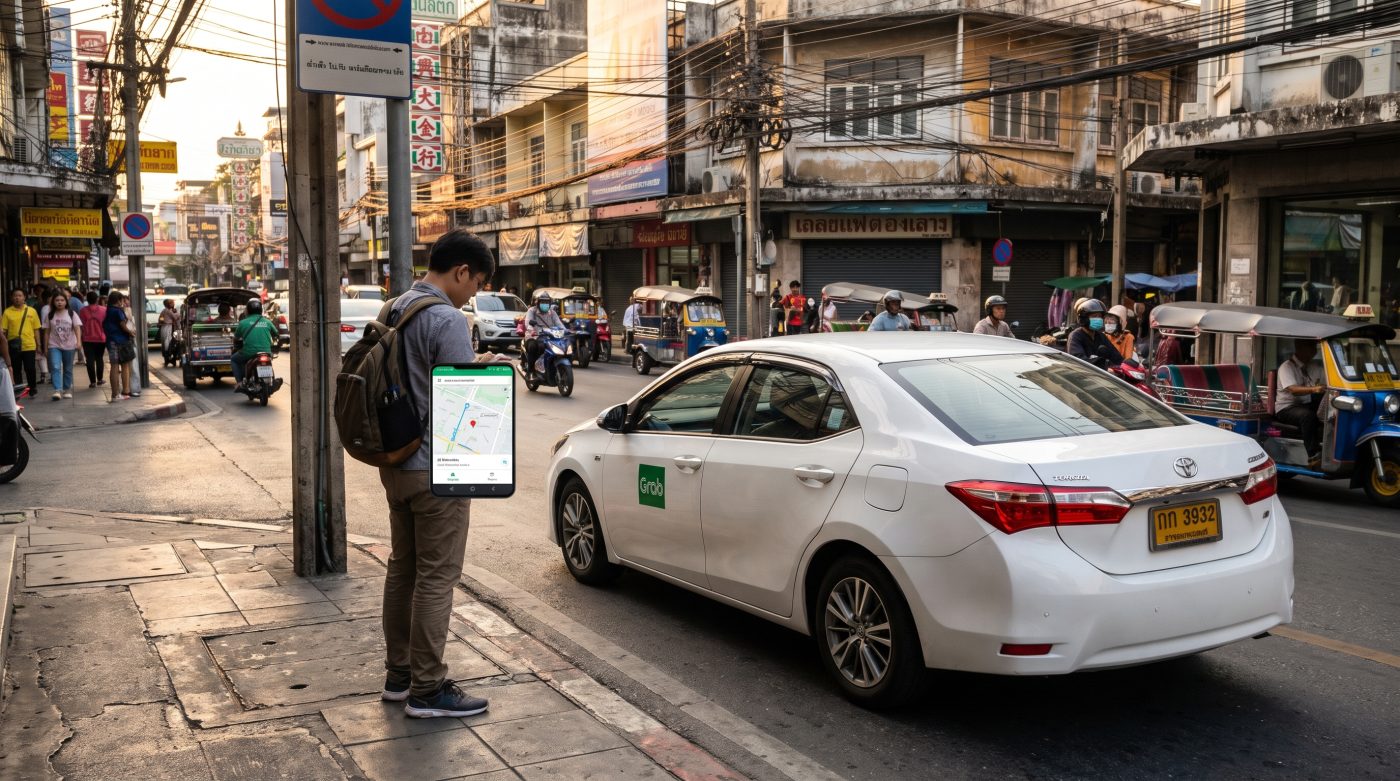
How each one actually sets the price
These three options don't price a ride the same way, and that's most of why people get confused (and occasionally overcharged):
- Grab and Bolt quote a fixed fare in the app before you confirm the ride, based on distance, estimated time, and current demand. The fare you see is the fare you pay — no negotiating, no surprises at the end, unless you change the destination mid-ride.
- Metered taxis run on an official meter: a flag-fall charge for the first kilometre, then a per-kilometre rate that increases in tiers the farther you go, plus a per-minute charge when traffic is crawling under about 6 km/h. Thailand's taxi meters were last raised in 2023, the first increase in eight years, after years of drivers lobbying over rising costs — so if you see an older figure quoted somewhere online, treat it as out of date and expect the real number to be a bit higher.
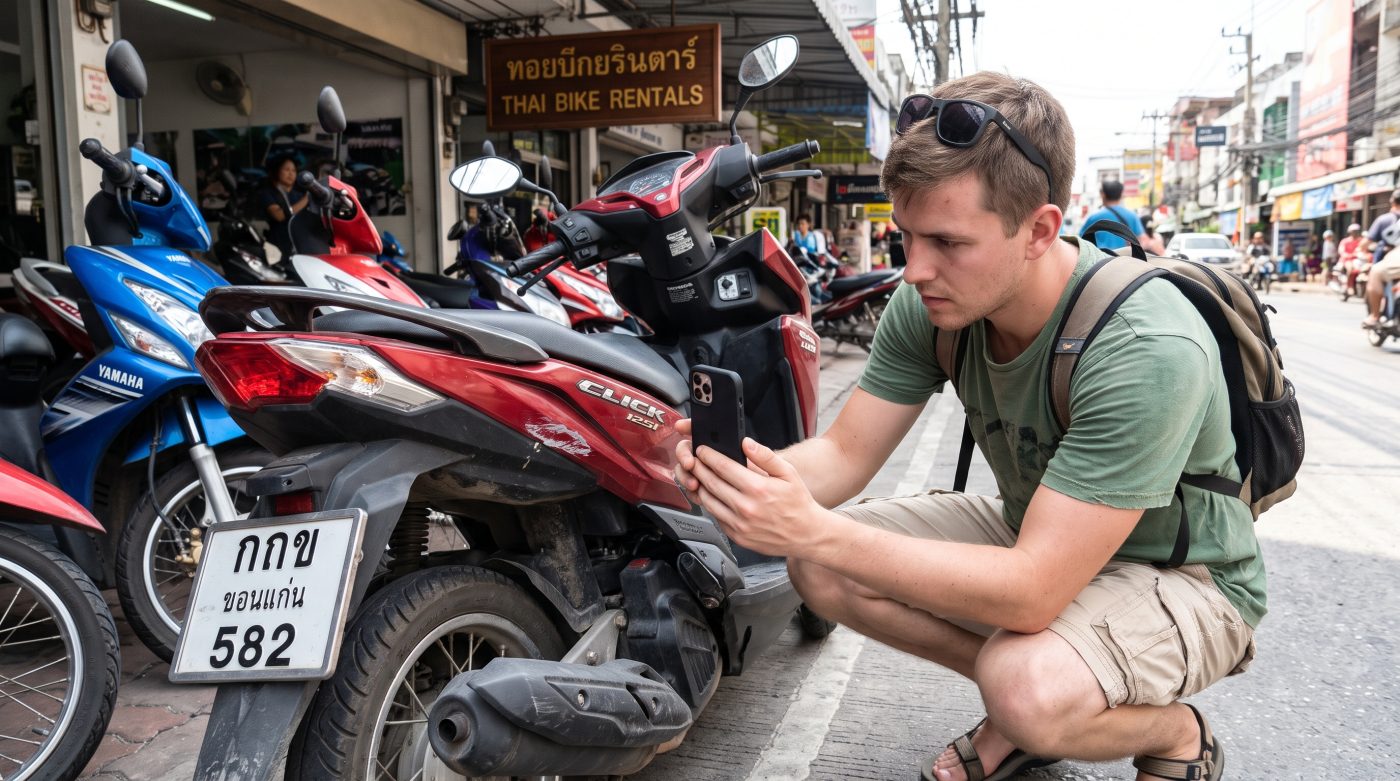
- Tuk-tuks have no meter at all. The driver names a price, you counter or accept, and that's the whole negotiation — agreed before you ever get in, not estimated afterward.
So which one is actually cheaper?
For a straightforward point-to-point ride, Grab or Bolt usually comes out ahead of both alternatives. One Bangkok resident posting on an expat forum described paying around 120 baht on Grab for a route a tuk-tuk driver had just quoted at 300 baht — more than double, for the identical trip. That gap is typical of what tuk-tuk drivers charge tourists on short hops: not usually a scam exactly, just a price aimed at someone who doesn't know the going rate.
Between the two apps, neither publishes a fixed advantage — fares shift with traffic and demand on both — but some regular users report Bolt coming in a touch cheaper than Grab on the same route often enough that it's worth checking both before you confirm. The one firm rule for Grab and Bolt: prices can surge noticeably during rain and rush hour, sometimes enough that a metered taxi (if one's actually available and willing to run the meter) ends up cheaper. Always glance at both before assuming the app price is the best price. If you're trying to work out how local transport fits into your overall daily spending, our Thailand trip cost breakdown has realistic numbers for a full day of getting around, not just one ride.
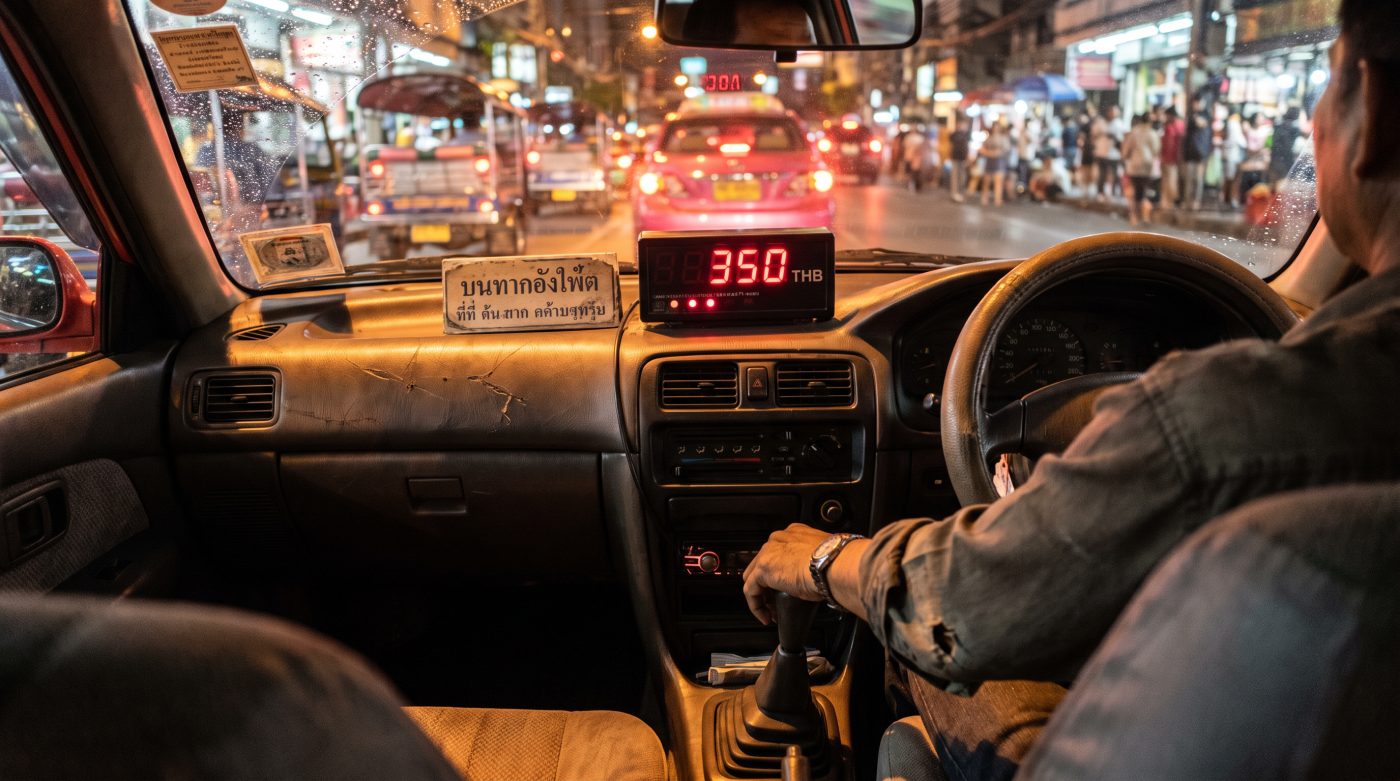
The taxi scams worth knowing about
Most Bangkok taxi drivers use the meter and the ride is uneventful. The complaints that do come up follow a small number of patterns:
- Meter refusal. A driver waves you off or quotes a flat "special price" instead of starting the meter — most common during rush hour, in heavy rain, or for very short hops drivers consider not worth the time. If this happens, it's almost always easier to get out and flag another taxi than to argue.
- A meter that's already running, or covered. Watch the driver actually start the meter from zero when you get in — don't take it on faith, especially if it's partly hidden under a cloth or the driver is slow to point it out.
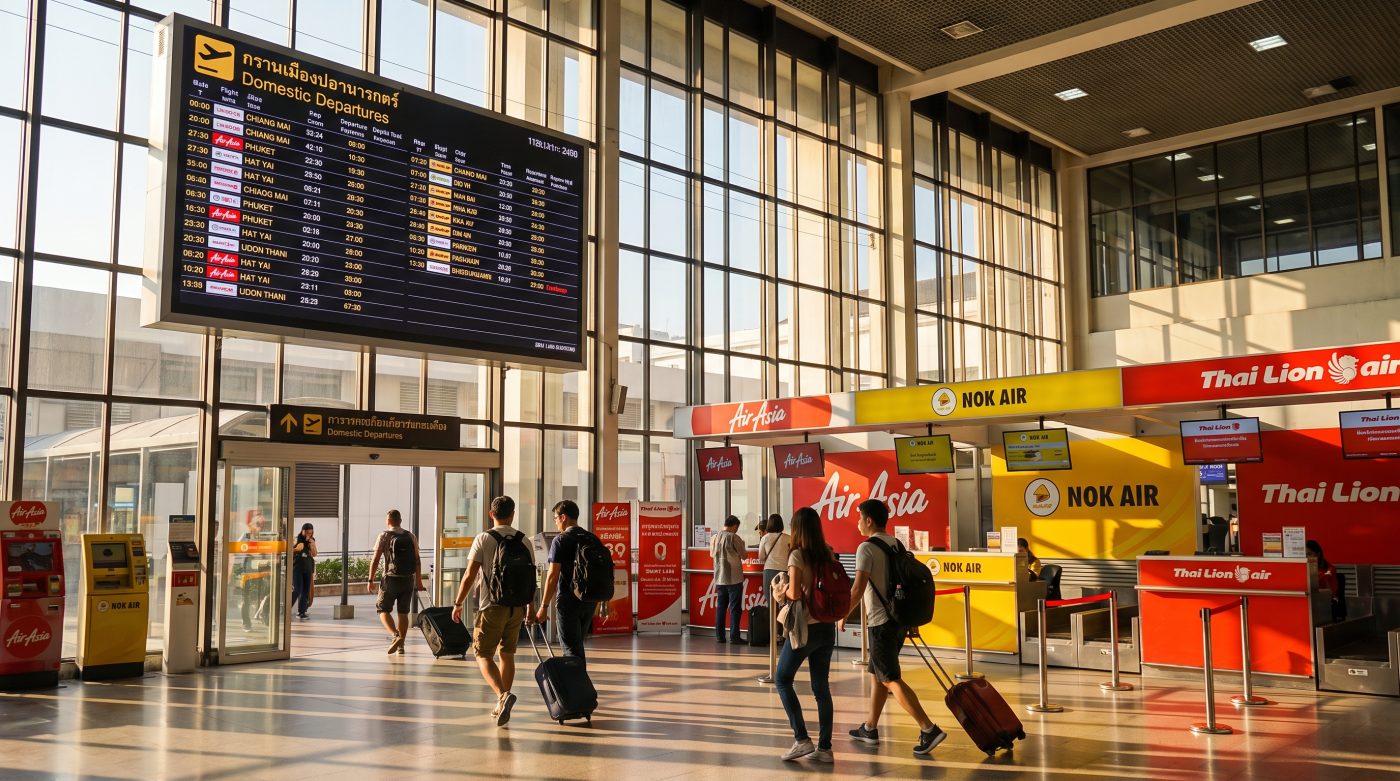
- Inflated flat rates at the airport. In one widely reported 2023 case, a taxi driver at Suvarnabhumi Airport charged a tourist a flat 1,200–1,500 baht for a ride into the city that should have cost around 300 baht on the meter. The airport permanently banned him from picking up fares there and referred him to the Department of Land Transport over his license — a useful reminder that every taxi queuing at an official airport rank is required to run the meter, and refusing to is something you're entitled to report on the spot at the taxi counter, or to the DLT's public hotline (1584).
The tuk-tuk scams worth knowing about
Because there's no meter, every tuk-tuk ride is really a negotiation, and a few specific versions of that negotiation are worth recognizing:
- The impossibly cheap "city tour." A driver offers an hours-long sightseeing tour for a token price — sometimes as low as 20 baht — because the real money isn't the fare, it's a commission for bringing you into a gem shop, tailor, or travel agency along the route. You're not obligated to buy anything, but you will be pressured to browse, and the "tour" can run much longer than you agreed to.
- Quotes that balloon once you're already moving. Agree on the full price, for the full route, out loud, before you get in — not "about 100 baht" with the stops worked out later.
- Drivers who claim ride-hailing apps are "illegal." They're not. Car-based ride-hailing (Grab, Bolt) has been a formally registered, legal category of transport in Thailand since 2021, after years of operating in a legal gray area. In one case near Ayutthaya in 2024 that drew local news coverage, a tuk-tuk driver charging 1,200 baht for a four-hour tour reportedly told a visiting tourist that Grab "wasn't allowed" in the area and displayed what turned out to be a fake tourist-police badge on his price card. The regional transport office investigated, had the badge removed, and ordered operators to post visible, legitimate price lists. A similar dispute over an unmetered flat taxi fare in Bangkok drew renewed attention again in 2025, with tourism commentators calling for GPS-linked meters and an easier complaint process — proposals that, as far as current reporting shows, haven't become standard practice yet. None of this means every tuk-tuk driver is running a scam — most aren't — but a driver who claims an app is illegal, or who flashes an official-looking badge to justify a price, is worth being skeptical of.
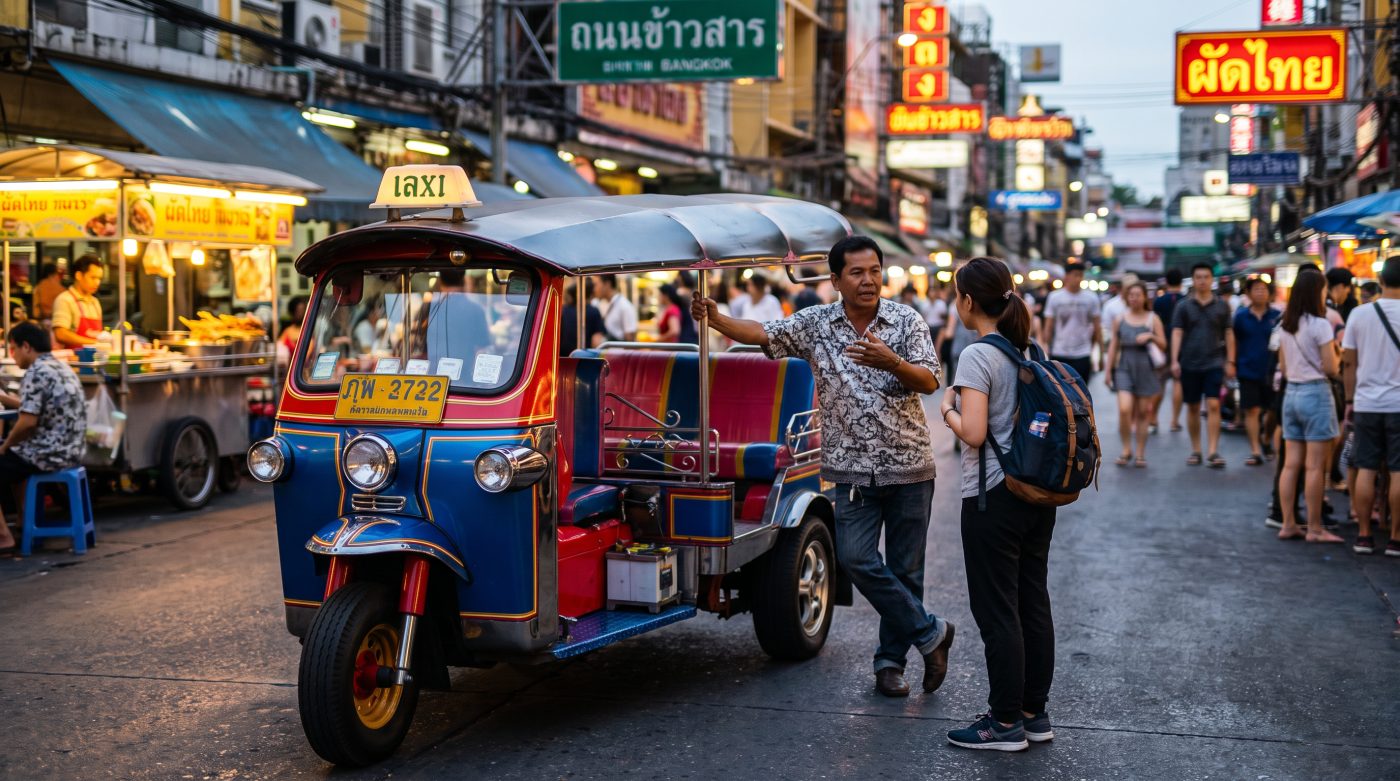
When each option actually makes sense
- Grab or Bolt, as the default. Fixed price up front, no language barrier, no negotiating, and a digital record of the trip if anything goes wrong. Good for anything longer than a few blocks, airport runs, and night rides.
- A metered taxi, when the apps are surging or unavailable. Perfectly fine, often cheaper during a Grab surge — just confirm the meter is running before you settle in, and keep small notes on hand for the fare plus tolls.
- A tuk-tuk, for short hops through heavy traffic, or because you want the experience. They can genuinely be faster than a car in gridlock, since they slip through gaps a sedan can't. Just treat the fare as a negotiation, not a quote, and skip any tuk-tuk offering a deeply discounted "tour."
Practical tips to avoid getting overcharged
- Open Grab and Bolt side by side before you book — comparing takes ten seconds and the difference can be real money.
- For a taxi, watch the meter start at the flag-fall rate before the car pulls away. If it doesn't, get out.
- For a tuk-tuk, state your destination and agree the full fare — out loud, in baht, before you get in. If a driver won't commit to a number, walk to the next one.
- Carry small notes. Drivers in all three categories sometimes claim not to have change for a large bill.
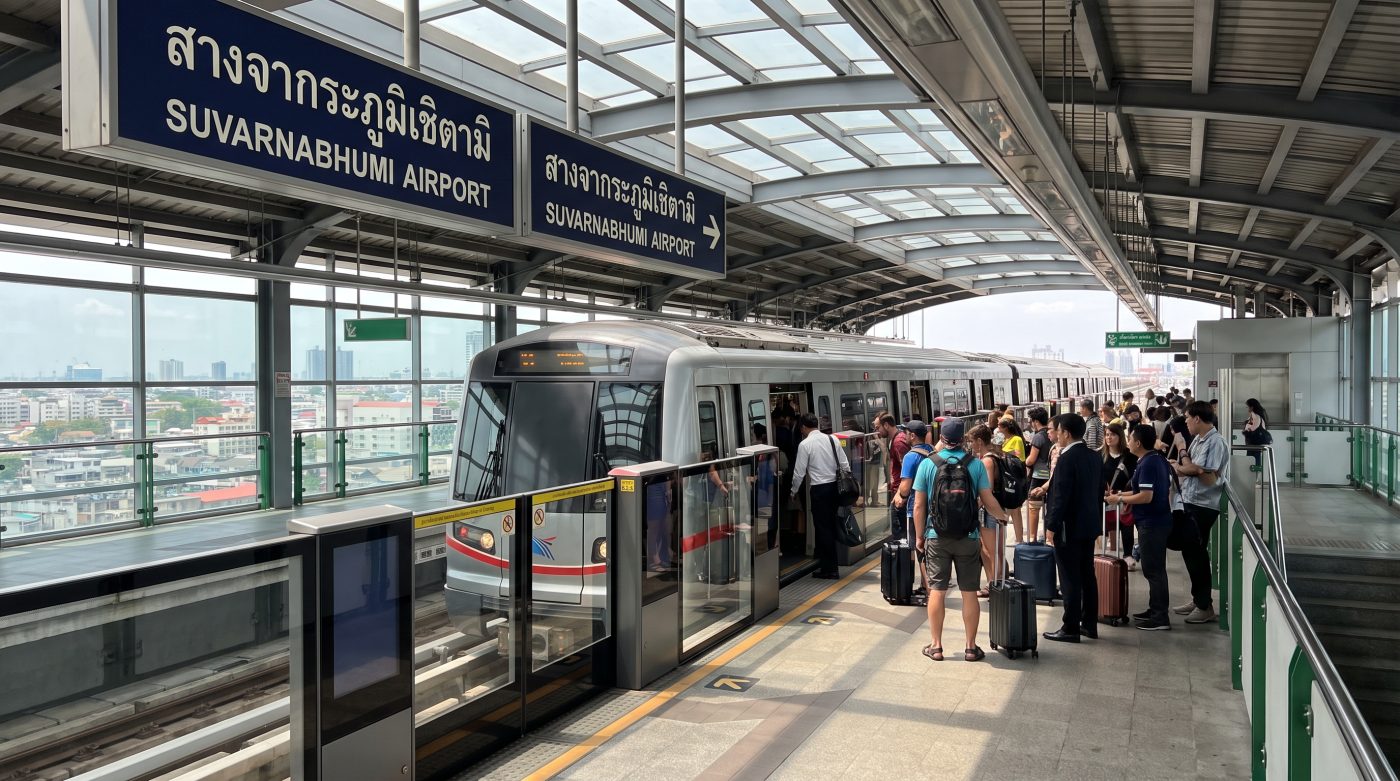
- If you're arriving by air, see our full breakdown of every airport-to-city option — the trade-offs at Suvarnabhumi and Don Mueang are different enough from a normal city ride to deserve their own guide.
Watch on VacaHack
Quick answers
Is Grab cheaper than a taxi in Thailand?
Usually, for a straightforward city ride: Grab shows a fixed fare up front, and it often beats a tuk-tuk quote on the same route by a wide margin. The catch is surge pricing. During rain or rush hour, a Grab fare can climb above what a metered taxi would charge for the identical trip, so it is worth checking both apps and, traffic permitting, a taxi before you confirm.
Do tuk-tuks in Thailand have a meter?
No. Tuk-tuks have no meter at all. The driver names a price and you negotiate before you get in. Always agree the full fare out loud, for the full route, before the ride starts, not partway through.
How much should a tuk-tuk cost in Bangkok?
There is no official rate, but as a rough guide, a short hop of a kilometre or two in a tourist area often runs noticeably higher than the equivalent Grab fare. One real comparison put a 120-baht Grab ride next to a 300-baht tuk-tuk quote for the same route. Treat any flat-rate "hours-long tour" offered for a suspiciously low price, sometimes as little as 20 baht, as a sign you will be taken to commission shops, not a genuine bargain.
Is it legal to use Grab in Thailand?
Yes. Car-based ride-hailing has been a formally registered, legal category of transport in Thailand since 2021. If a taxi or tuk-tuk driver tells you otherwise to talk you out of using the app, that claim is not accurate.
What should I do if a taxi driver in Thailand refuses to use the meter?
The simplest fix is usually to get out and flag a different taxi. Meter refusal is most common during rush hour or heavy rain and rarely worth arguing over. At an official airport taxi rank, drivers are required to use the meter, and you can report a driver who refuses on the spot at the taxi counter or via the Department of Land Transport public hotline, 1584.
Should I take Grab or a taxi from the airport in Thailand?
Either can work. Both are required to run the meter or show a fixed app fare, so the real risk at the airport is an unofficial driver offering a flat rate outside the regulated system. See our full airport-to-city comparison for Suvarnabhumi and Don Mueang for the complete breakdown of every option.