Is the Overnight Train from Bangkok to Chiang Mai Worth It? A Realistic Guide
Yes, the overnight sleeper train from Bangkok to Chiang Mai is worth it if you would rather sleep through a long travel day than sit through one. It trades a short, cheap flight for a slow 12 to 14 hour ride that skips a night's hotel cost and, booked in the right class, is genuinely comfortable. It is not the fastest or the most predictable way to cover the 744km between the two cities, and whether it is "worth it" for you comes down mostly to which class you book and how far ahead you plan.
Where the train actually leaves from now
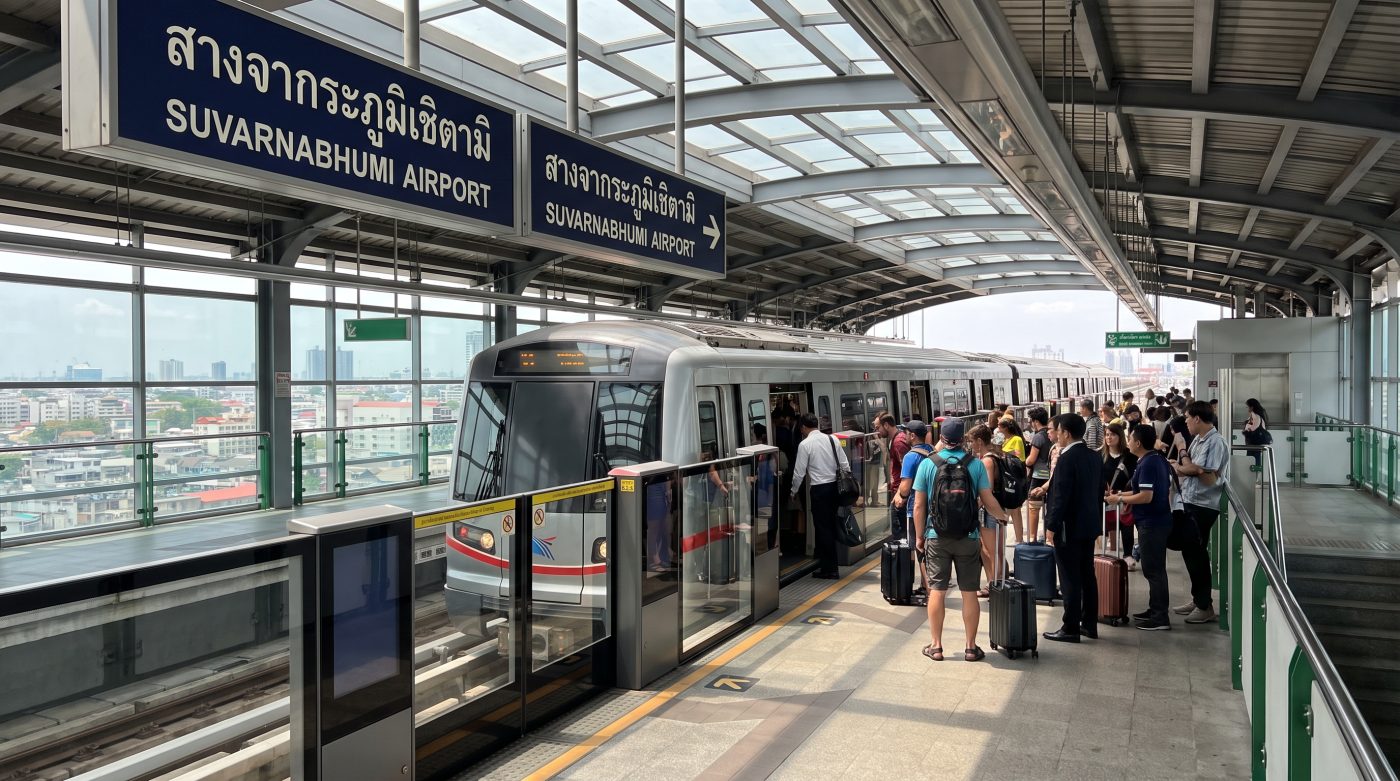
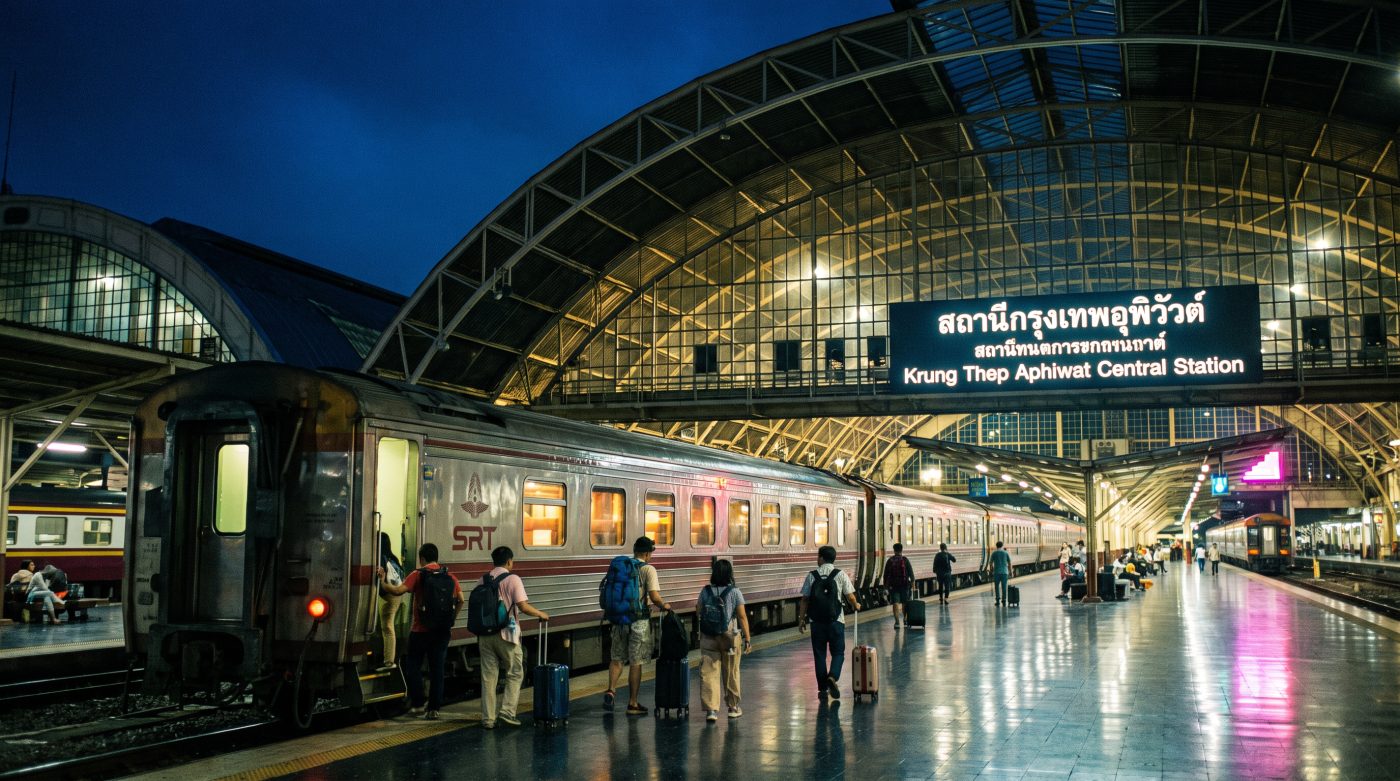
If you've read an older blog post or an old forum thread that says the Chiang Mai sleeper leaves from Hua Lamphong, that's out of date. Since January 2023, Thailand's State Railway has run all of its long-distance trains — including every Bangkok–Chiang Mai overnight service — out of Krung Thep Aphiwat Central Station (also called Bang Sue Grand Station), a few kilometers north of the old Hua Lamphong terminal. Hua Lamphong still handles a few short-distance and commuter services, but if you show up there expecting the night train to Chiang Mai, you'll be at the wrong station. Krung Thep Aphiwat connects directly to the MRT Blue Line, so getting there from most of Bangkok is a straightforward subway ride rather than a taxi gamble — worth knowing since several of the departures below leave in the early evening rush hour.
Train 9, Train 13, or Train 51 — which one to actually book
Four regular trains cover the overnight route, and the differences between them matter more than the numbers suggest.
- Train 9 (departs Bangkok roughly 18:40, arrives Chiang Mai roughly 7:15am, about 12.5 hours) runs the newer Chinese-built (CNR) sleeper carriages. It's the priciest of the three main sleepers, has sealed windows, and recent riders consistently describe the air conditioning as noticeably stronger than on the older trains — pack a layer even though you're in Thailand.
- Train 13 (departs roughly 20:05, arrives roughly 8:45am, about 12.5–13 hours) runs older carriages with windows that actually open and a restaurant car with no air conditioning. It's cheaper than Train 9 for the same class, and it's the one that occasionally comes up in older trip reports for worn fittings or the odd bug — treat that as "it's an older train," not a guarantee of anything on your specific trip.
- Train 51 (departs roughly 22:30, arrives roughly 11:40am, about 13 hours) is the budget option: no 1st class at all, just 2nd class air-conditioned and 3rd class fan seating. It's also the latest departure of the three, which some travelers prefer if they want a full evening in Bangkok first.
There's also a slower rapid service that runs a chunkier schedule and takes closer to 14 hours — fine if it's the only one that lines up with your dates, not worth specifically seeking out otherwise.
1st class vs. 2nd class sleeper: what you actually get
This matters more than which train number you pick.
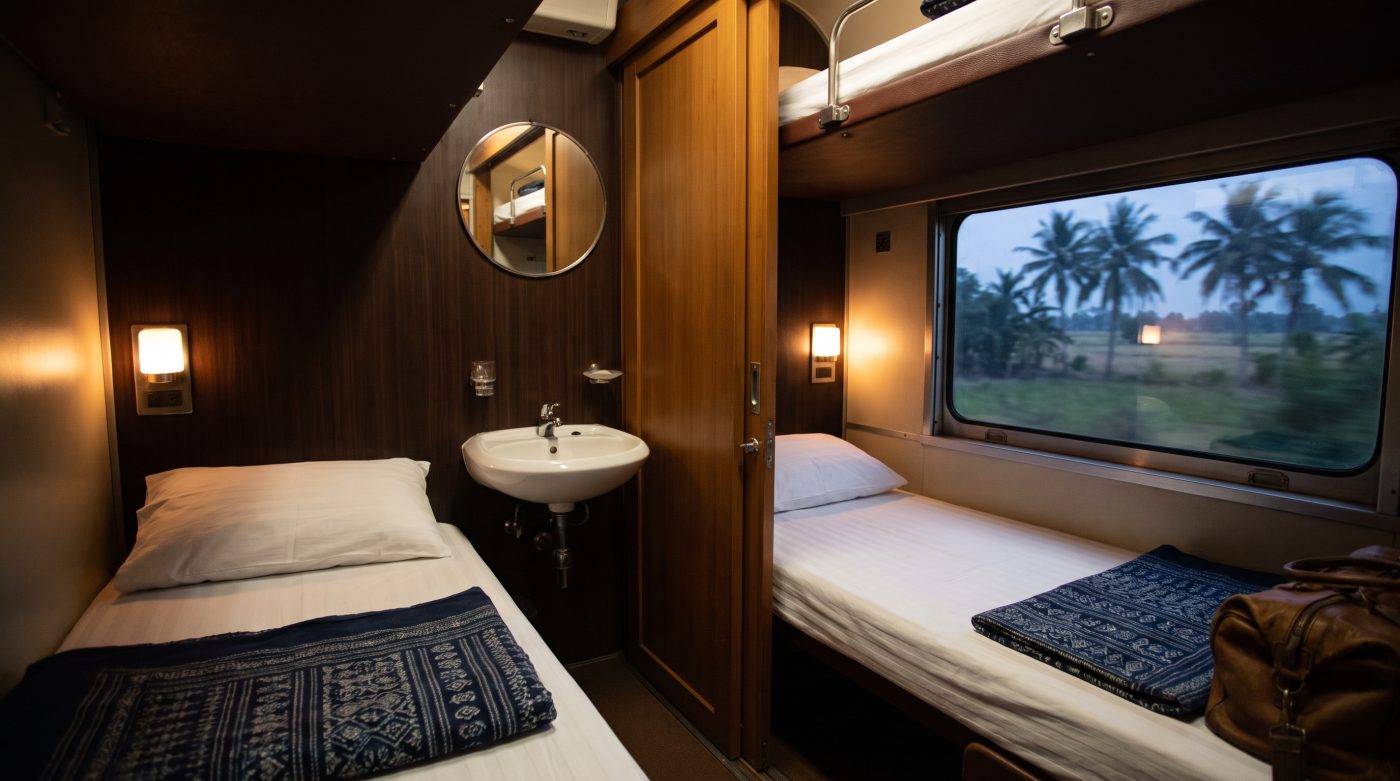
- 1st class gets you a small, lockable two-berth compartment with a door, a washbasin, and sheets, a blanket, and a towel provided. If you're traveling solo, SRT will pair you with another same-gender passenger in the compartment unless you pay for sole occupancy of both berths — worth knowing if you were picturing total privacy by default.
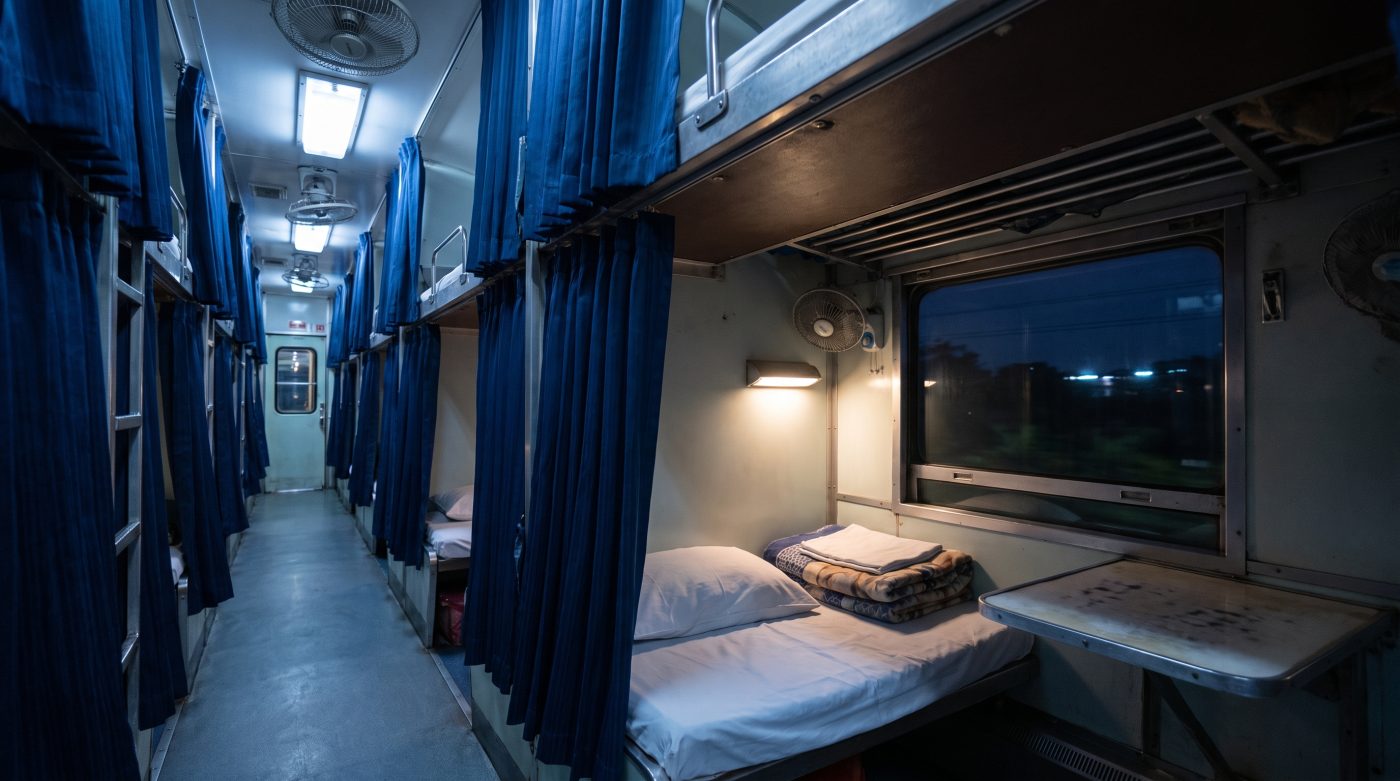
- 2nd class air-conditioned sleeper is an open carriage where facing daytime seats fold down into curtained upper and lower berths after the attendant makes them up in the evening. It's less private but still has individual curtains, bedding, and a reading light per berth, and it's the class most travelers on this route actually book.
In 2nd class, always book the lower berth if you can. It has more headroom, its own window, and sits further from the aisle light and the air vent that upper-berth passengers complain about. Lower berths also tend to be priced slightly higher than uppers for exactly that reason.
How far ahead to book (lower berths and 1st class go first)
Thailand's State Railway has used different advance-booking windows for this route over the years — some current guides describe sales opening as much as 180 days (six months) out, while other sources mention shorter windows of a few weeks to a few months. Treat the exact number as something to confirm on the day you book rather than a fixed rule. What's consistent across every source and years of traveler reports is this: lower berths and 1st class cabins sell out well before upper berths do, especially for travel around Thai holidays, weekends, or the cooler November–February season. If your dates are fixed, book as soon as the booking window opens rather than waiting.
Booking through the SRT site, 12Go, or Baolau
You have three realistic options:
- SRT's own site (dticket.railway.co.th) has a reputation among past travelers for being slow to load and occasionally rejecting foreign cards, though recent guides report it now accepts most overseas cards. It's fee-free, so it's worth trying first.
- 12Go Asia books on your behalf (for a service fee of roughly 150–250 THB on top of the fare) and is the most forgiving option for foreign cards and PayPal. Book at least a few days ahead — some fares aren't on SRT's e-ticket system, which means 12Go issues a hard-copy ticket you have to collect in person near the station, typically at least an hour before departure, rather than something you can just show on your phone.
- Baolau.com connects directly into SRT's own booking system and lets you pick your actual berth, though it can occasionally show a berth as sold out when it technically isn't.
One scam worth knowing about: a few traveler reports describe agents near the stations reselling 2nd class tickets at a markup of several hundred baht over face value. Buy from the official counter, the SRT site, or one of the two platforms above instead.
What a night on board is actually like
Expect some rocking and jolting, especially on the older carriages (Train 13 and 51) — earplugs are genuinely useful, not just a nice-to-have. The air conditioning tends to run cold, particularly on Train 9's newer sealed cars; several recent riders specifically mention packing socks and a light hoodie despite the Thailand heat outside. There's no alcohol sold on board (it's been banned systemwide since 2014), and the restaurant car's food gets mixed reviews — it's reasonably priced (budget roughly 150–210 THB for a set meal) but not the trip's highlight, so a lot of regular riders eat at the station food court before boarding and bring snacks and water as backup. Train 9's newer cars reportedly have a shower, though reported water temperature varies from lukewarm to cold depending on who you ask; 2nd class carriages generally just have a shared toilet and washroom down the corridor, no shower.
Is the sleeper train safe?
By most accounts, yes — several long-time posters on Thailand travel forums specifically call it safer and more relaxed than the overnight bus. There's no security checkpoint at either station, so keep your passport, phone, and cash on you rather than in checked luggage, and treat your berth the way you'd treat any shared sleeper car anywhere in the world: use your daypack as a pillow or loop a small cable lock through your main bag's straps and something fixed if you want extra peace of mind overnight. Delays are the more realistic risk than theft — multi-hour delays aren't unheard of, especially during the rainy season when track issues occasionally slow things down, so avoid booking a tight connection or an early flight right after you're due to arrive.
Train vs. flying vs. the overnight bus
A domestic flight between Bangkok and Chiang Mai takes about an hour and, depending on the airline and how far ahead you book, can cost close to what a 2nd class sleeper berth does — see our Thailand domestic flights guide for current airline-by-airline pricing. Flying wins on speed and predictability; the train wins if you'd rather not burn a daylight hour at the airport, want to skip a night's accommodation cost (see the full breakdown in our Thailand trip cost guide), or just want the experience of waking up in the north. The overnight bus is usually a little cheaper than the train but more cramped, with no walking-around room and worse sleep quality for most people — the sleeper train is the better pick for that budget tier if your dates allow it. Once you land in Chiang Mai, our Chiang Mai vs. Chiang Rai guide and northern Thailand road trip guide cover where to go from there.
▶Watch on VacaHack
Quick answers
Is the overnight train from Bangkok to Chiang Mai worth it?
For most travelers, yes — it saves a night's accommodation cost and gets you from Bangkok to Chiang Mai while you sleep, as long as you book a 2nd class A/C lower berth or 1st class cabin rather than a fan seat. It's slower and less predictable than flying, so it's less of a fit if you're on a tight connection.
Which Bangkok station does the Chiang Mai sleeper train leave from?
Krung Thep Aphiwat Central Station (also called Bang Sue Grand Station), not the old Hua Lamphong terminal — that move happened in January 2023 and is still missed in some older guides.
How long does the Bangkok to Chiang Mai overnight train take?
Around 12.5 to 14 hours for the roughly 744km route, depending on which train you book — Train 9 and 13 are the fastest at around 12.5 hours.
Should I book 1st class or 2nd class sleeper on the Thailand night train?
2nd class A/C lower berth is the best value for most travelers — it's curtained, has its own window and reading light, and costs less than half of 1st class. Book 1st class only if you want a lockable private compartment with a door and washbasin.
How far in advance should I book the Bangkok–Chiang Mai sleeper train?
As soon as your travel dates are fixed. Reported booking windows vary (up to 6 months on some routes), but lower berths and 1st class cabins sell out well before upper berths regardless of the exact window, especially around Thai holidays and the cool season.
Is the Thailand overnight train safe?
Generally yes — many long-time travelers consider it safer and more relaxed than the overnight bus. There's no security checkpoint at the station, so keep your passport, phone, and cash on you rather than in checked luggage, and expect occasional multi-hour delays rather than any real theft risk.