Thailand Emergency Numbers: What to Call (and What to Do) as a Tourist
Thailand doesn’t have one all-purpose emergency number the way the US has 911 or the UK has 999. Which number actually helps depends on what’s happening: 191 for police, 1669 for an ambulance, 199 for fire, or 1155 for the English-speaking Tourist Police — and knowing which one to dial before you need it is the difference between a two-minute call and a panicked scroll through Google on bad hotel wifi.
The four numbers worth saving right now
All of these are free to call from any phone in Thailand, including a foreign SIM with no local credit — emergency calls don't require airtime. Save them before you land, not after something happens:
- 191 — Police (crime, road accidents, general emergencies)
- 1669 — Free public ambulance / medical emergencies
- 199 — Fire department
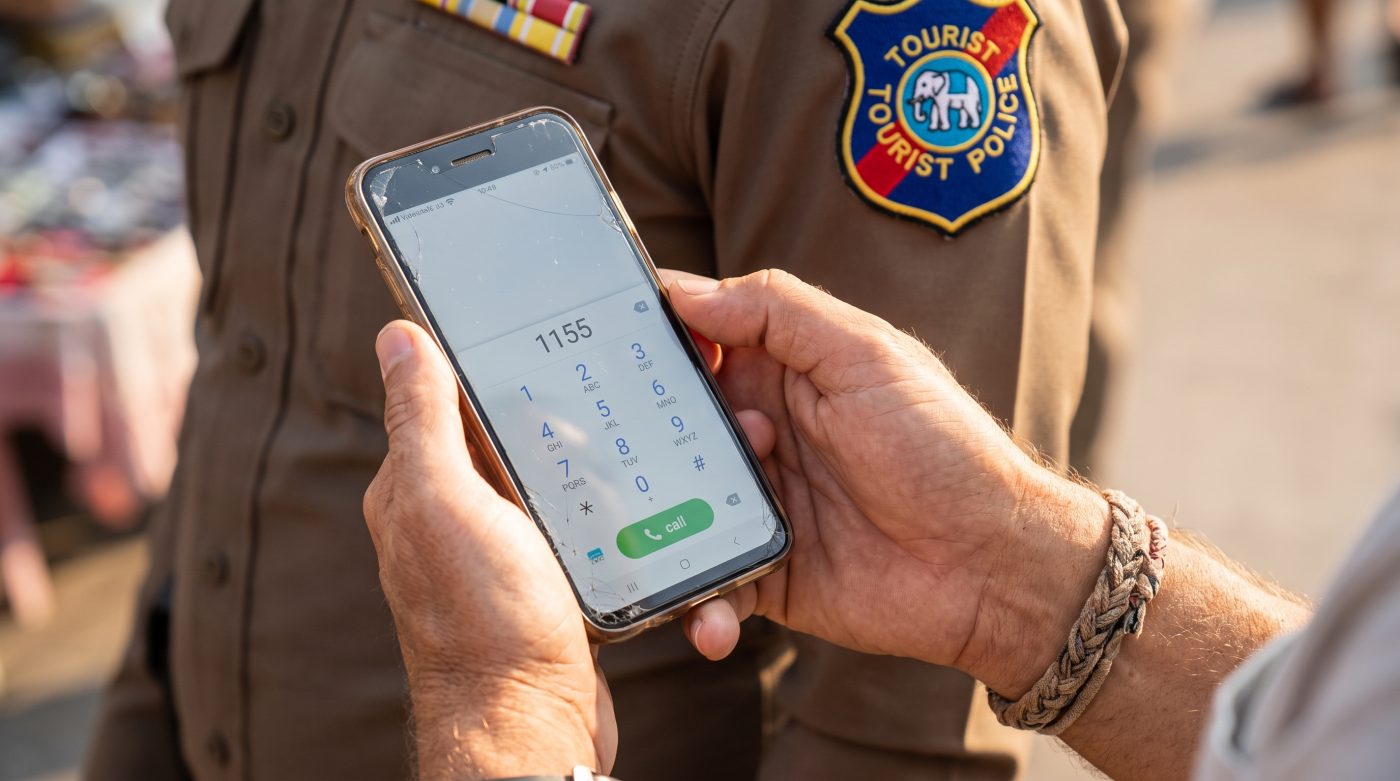
- 1155 — Tourist Police, 24/7, English and other languages spoken
- 1646 — Immigration Bureau (visa and entry issues, not medical)
A few travelers on forums have reported that a foreign SIM without local roaming enabled occasionally struggles to connect to a Thai number at all — it's not the norm, but it's one more reason to pick up a local SIM or eSIM on arrival rather than relying entirely on a home-country number.
Why 1155 is often the smarter first call
Even for a medical emergency, plenty of experienced travelers and expats default to the Tourist Police line first, not 1669 or 191 directly. Forum accounts are mixed on how much English the general police and ambulance dispatch lines actually have — one traveler described reaching someone with limited English before being transferred to a fluent speaker, while others report no trouble at all. The Tourist Police line exists specifically to be the reliable English-language option: they can relay your situation to 1669, coordinate with a hospital, and loop in your embassy if things get serious, all without you needing to explain a medical emergency in Thai over a bad connection.
What actually happens when you dial 1669
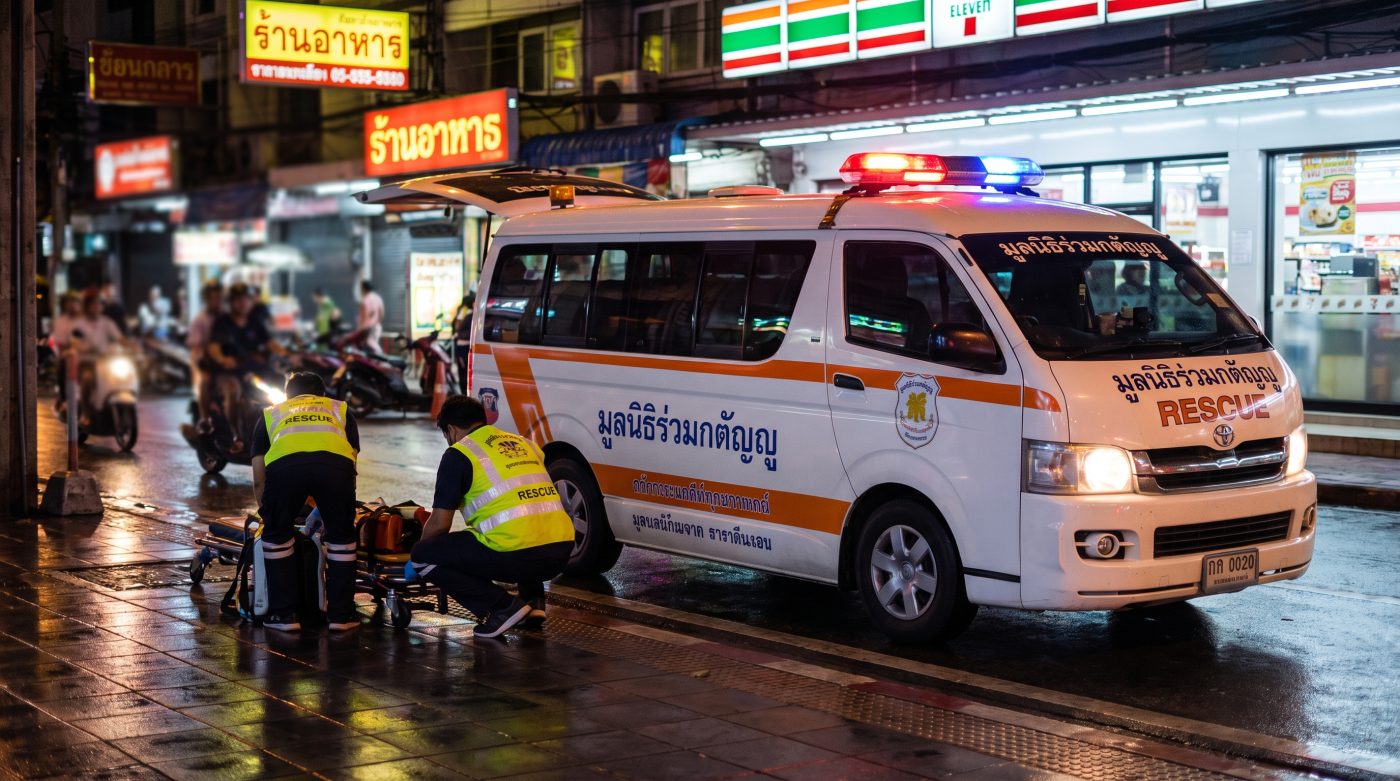
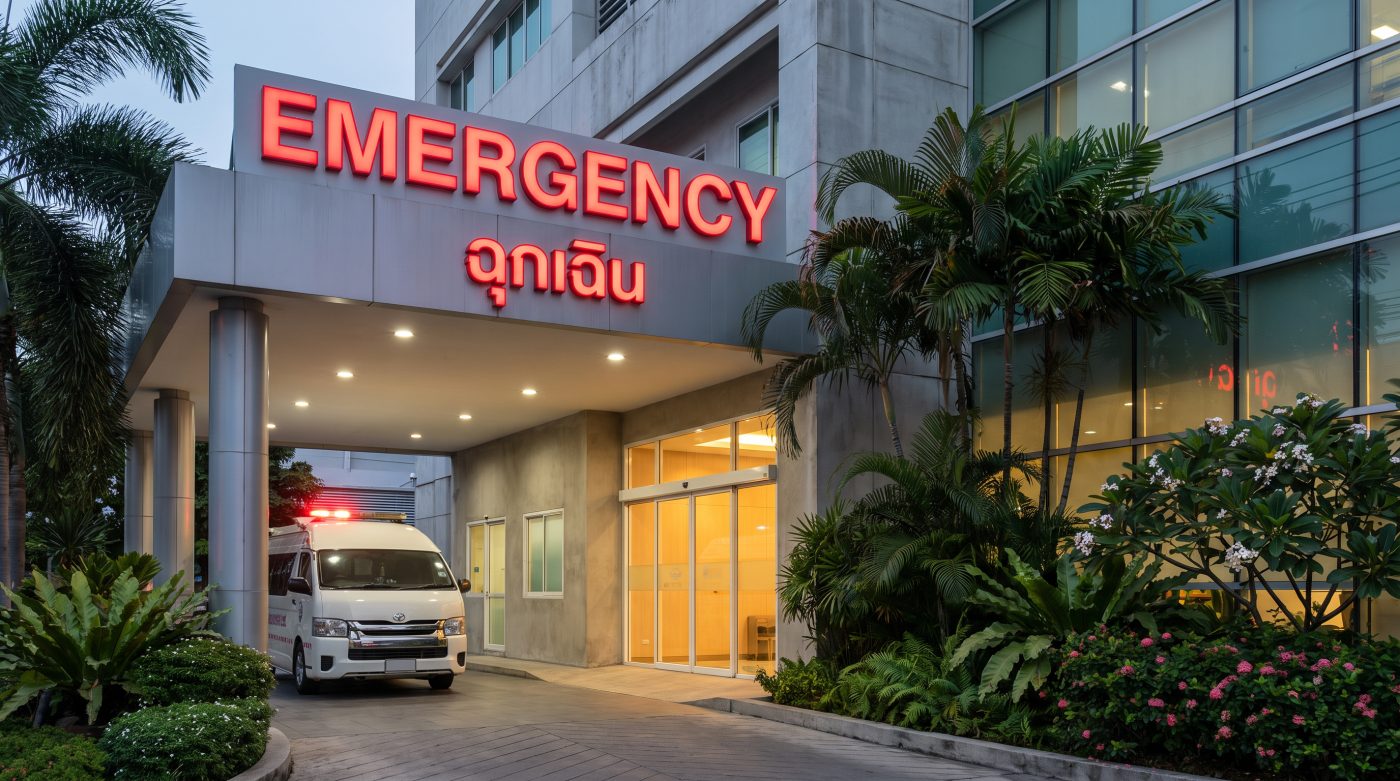
1669 is Thailand's free public ambulance dispatch, and it works nationwide — but response time is genuinely inconsistent, and honest accounts from travel and expat forums make that clear rather than promising something the system can't deliver. Posters have described a roughly 15-minute response in Hua Hin and rural Udon Thani, versus closer to 50 minutes in Pattaya during heavy traffic. These are individual accounts, not official response-time data, but the pattern lines up with what you'd expect: Bangkok and beach-town traffic can delay any ambulance, public or private, regardless of how fast dispatch itself is.
If you're near a private hospital, many keep their own ambulance on standby and it can genuinely be faster than waiting on 1669 in gridlock — worth noting the nearest private hospital's direct line as a backup, not a replacement, for 1669.
Public hospital or private hospital in an emergency?
Private hospitals in tourist areas generally mean shorter waits and English-speaking staff, but for anything beyond a minor visit they'll typically want a deposit or proof of insurance before admitting you — not after. Public hospitals are slower and less polished but handle genuine emergencies competently and cost a fraction as much. We cover this trade-off in more depth, including what actually happens with hospital deposits, in our guide to what to do if you get sick in Thailand.
If you're somewhere remote — islands, national parks, the far north
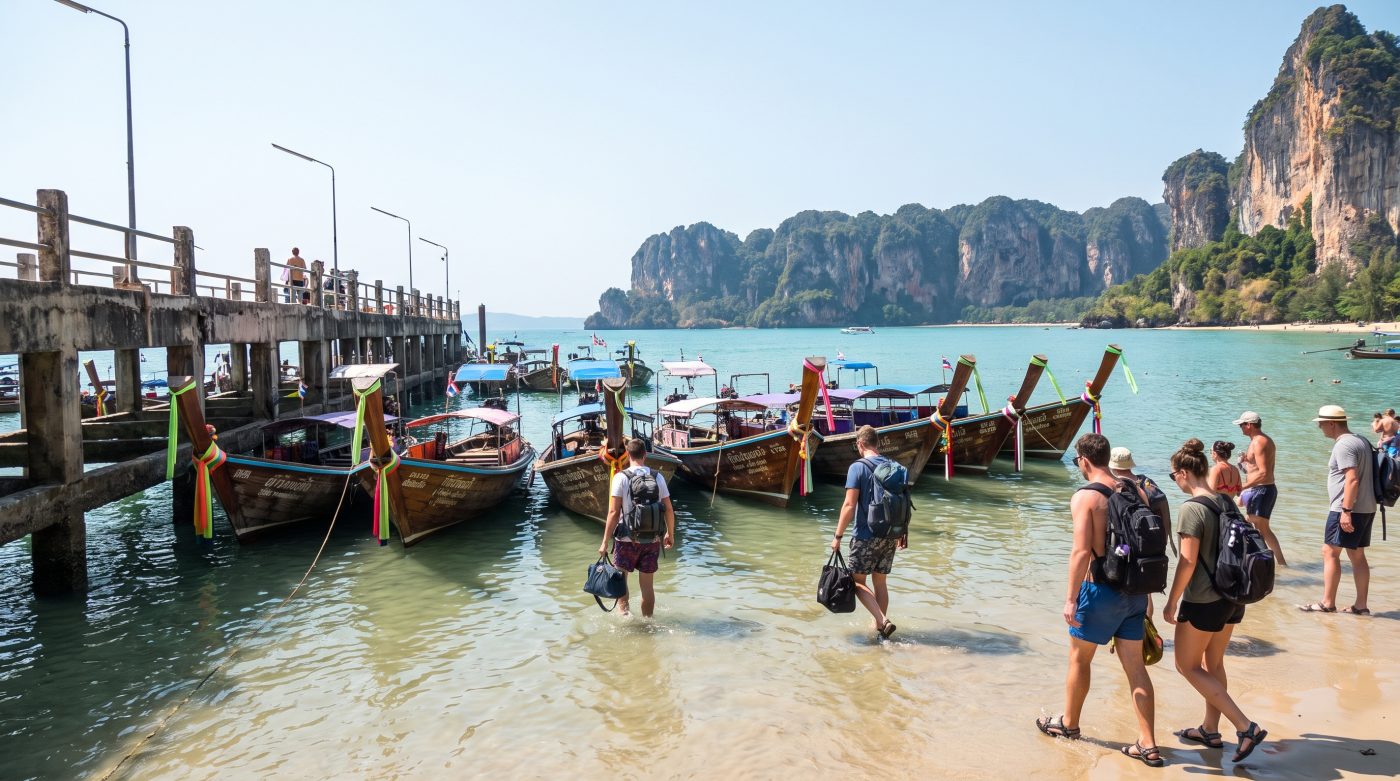
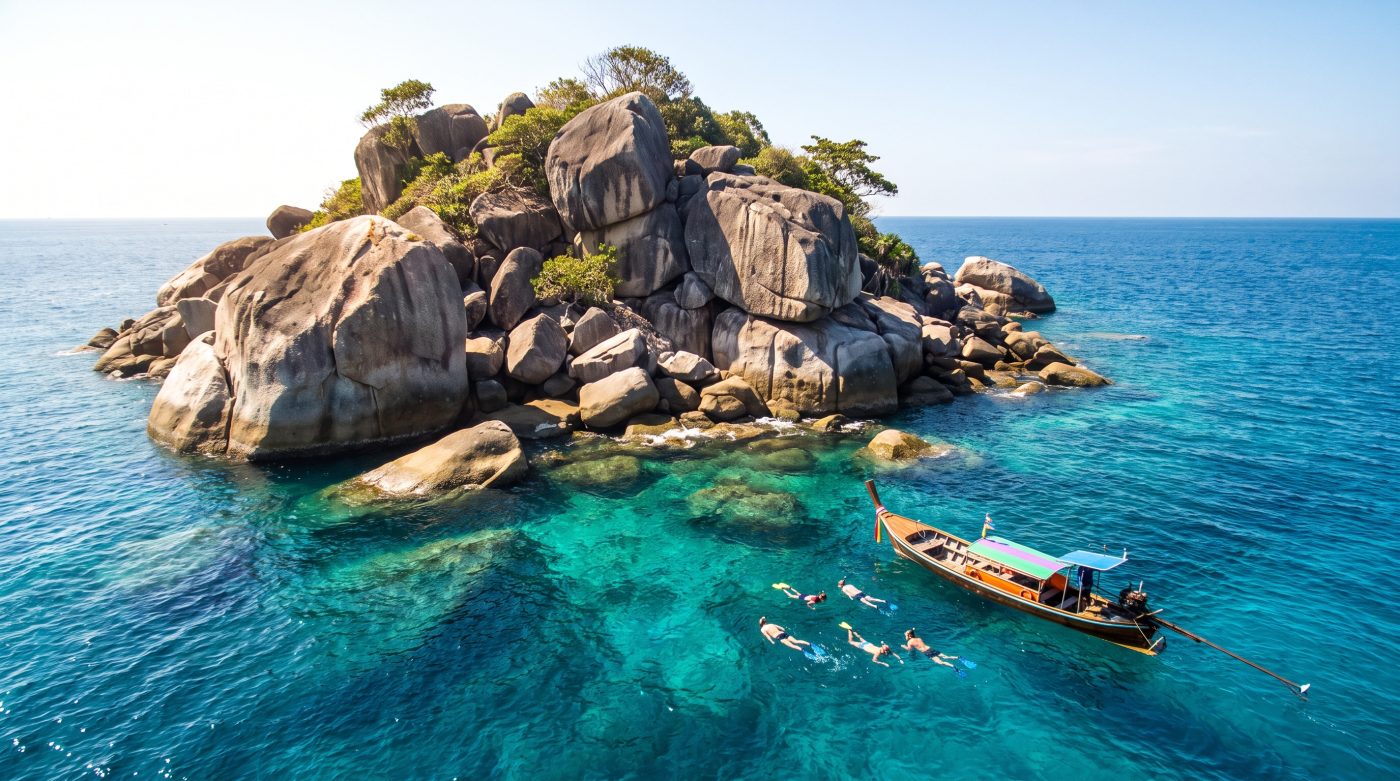
Everything above assumes you're within reach of a real hospital. On a smaller island, deep in a national park, or well outside a regional capital, the nearest hospital equipped to handle a serious injury might be a boat ride or a multi-hour drive away — and a genuine medical evacuation is a different cost category entirely. Industry estimates for a full international medevac out of Thailand (the kind involving an accompanying medical team and ICU-level care in transit) commonly land somewhere in the $120,000–$180,000 range, though this moves around a lot by provider, distance, and case — treat any figure like this as an order of magnitude, not a quote, and confirm directly with an insurer before relying on it.
That's the scenario travel insurance with real evacuation coverage is actually for. SafetyWing's Nomad Insurance includes up to $100,000 in medical evacuation coverage — it won't necessarily cover a full transcontinental repatriation on its own, but it's a specific, real number worth knowing before you're on a longtail boat two hours from the mainland, not after.
If your trip includes island-hopping or anywhere genuinely remote, it's worth having evacuation coverage sorted before you go, not during.
Check SafetyWing Nomad Insurance →Put the Tourist Police app on your phone before you land
Thailand's Tourist Police run a dedicated app (the newer "Thailand Tourist Police" app, successor to the older "I Lert U") built specifically for this situation: a panic button and GPS location sharing that sends your exact coordinates to dispatch automatically. That solves the single biggest problem in a real emergency in an unfamiliar place — not knowing your own location well enough to describe it. It's free, available on both major app stores, and worth installing during the flight over rather than after something's already gone wrong.
What to actually say when you call
- Your location — a landmark, hotel name, or GPS coordinates if you have them (the Tourist Police app can send this automatically)
- A callback number, ideally one that can actually receive calls back
- What happened, in plain, simple terms — symptoms or injuries, not a full story
- Ask directly for an English speaker if the first person you reach isn't clear
If you're staying in Thailand long-term, it's also worth checking whether your visa type has its own mandatory insurance requirement — our guide to Thailand's visa insurance requirements breaks down which policies actually qualify.
▶Watch on VacaHack
Quick answers
What is the emergency number in Thailand?
There isn't one single number. Call 191 for police, 1669 for a free public ambulance, 199 for fire, or 1155 for the English-speaking Tourist Police, who can relay to the others.
Is calling an ambulance in Thailand free?
Yes, the public 1669 ambulance service is free nationwide. Private hospital ambulances, which can respond faster in some areas, typically bill for the trip.
Do Thai emergency operators speak English?
It varies by line and region. The Tourist Police (1155) are the most consistently English-speaking option; general police and ambulance dispatch may have limited English depending on who answers.
What is the Thailand Tourist Police app and do I need it?
It's a free official app (successor to the older 'I Lert U') with a panic button and automatic GPS location sharing, so dispatch knows exactly where you are even if you can't describe it. Worth installing before you land.
How fast will an ambulance actually arrive in Thailand?
It varies widely. Traveler accounts range from about 15 minutes in some provincial areas to closer to 50 minutes in heavy Bangkok or Pattaya traffic. There's no official guarantee either way.
Should I call an ambulance or just take a taxi to the hospital in Thailand?
Call 1669 or 1155 first for anything serious — they can advise and dispatch help. For a non-life-threatening issue where traffic is bad, a Grab or taxi straight to the nearest hospital is sometimes genuinely faster.