Do You Need Proof of Onward Travel for Thailand? What Airlines and Immigration Actually Check
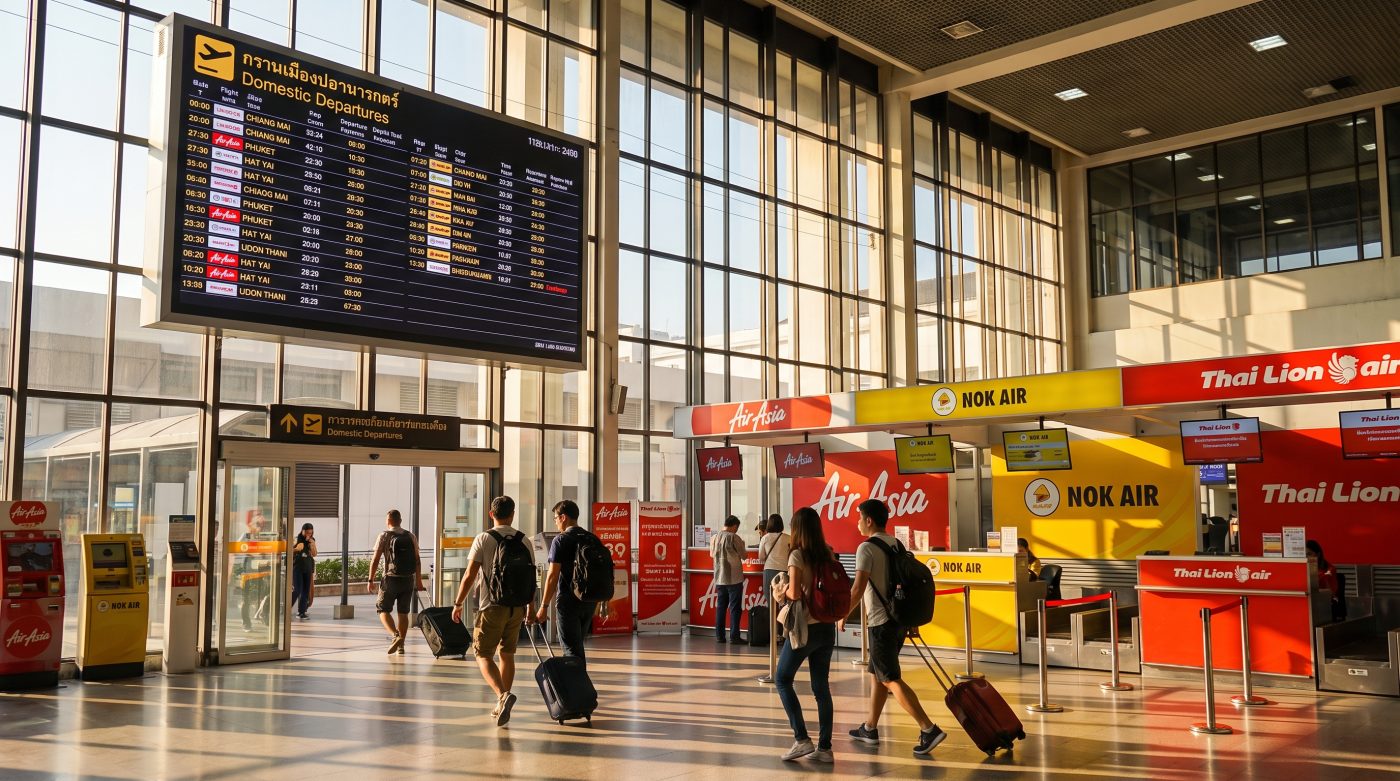
Officially, yes: Thailand requires most arriving foreigners — visa-exempt tourists and Visa on Arrival entrants especially — to be able to show a ticket out of the country. In practice, it's your airline that's far more likely to actually ask for it than a Thai immigration officer is, and enforcement is inconsistent enough that plenty of people fly in and out of Thailand for years without ever being asked. That gap between the rule on paper and what really happens at the counter is exactly what trips people up: it's easy to assume "nobody ever checks" right up until the one time an airline agent at your departure gate won't let you board without one.
Who actually checks — airlines vs. Thai immigration
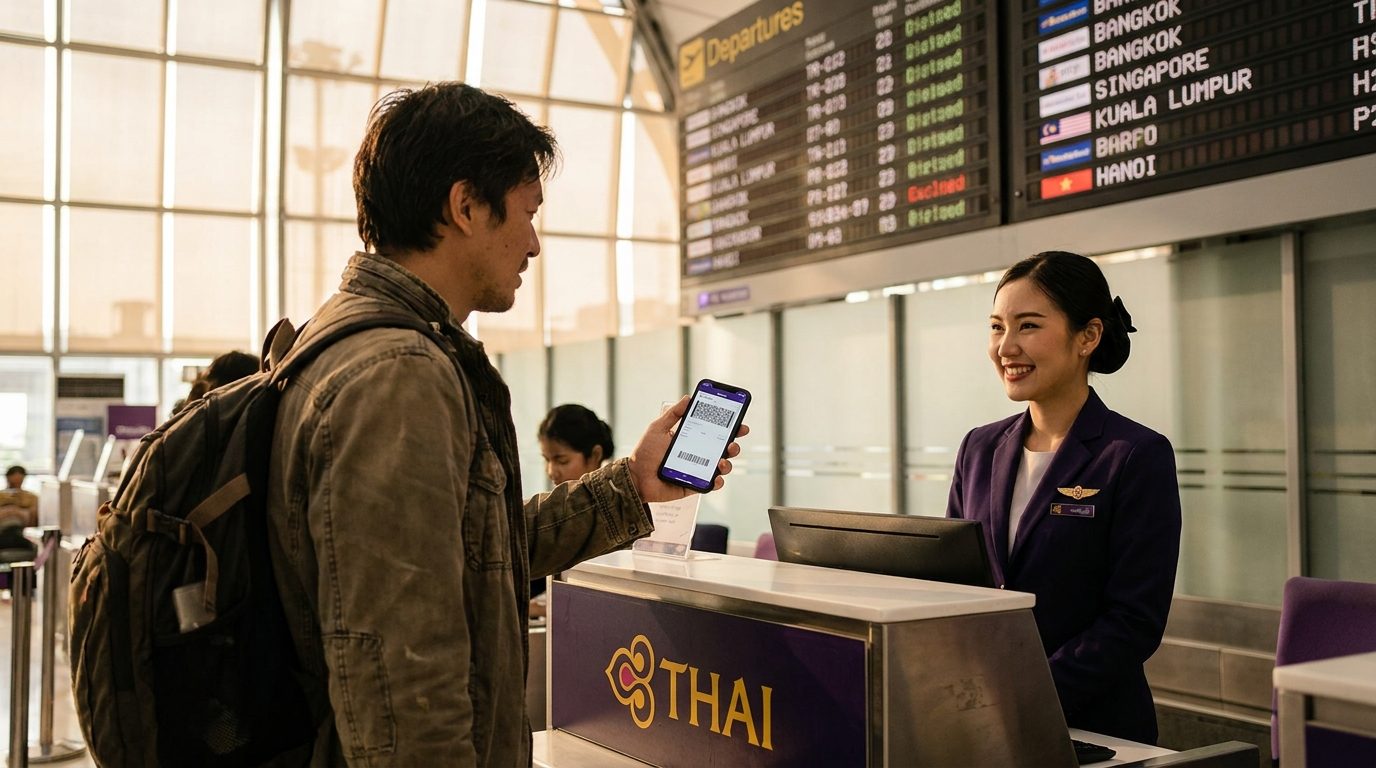
The requirement exists because if you show up in Thailand and get refused entry, the airline that flew you in is on the hook to fly you back out at its own cost. That's why check-in staff at your departure airport — not Thai immigration on arrival — are the ones with the strongest incentive to ask before you board, especially on a one-way ticket. Travelers on forums like ASEAN NOW (formerly Thaivisa) and TripAdvisor's Thailand board consistently report the same pattern: being questioned by an airline agent abroad happens often enough to take seriously, while being asked by a Thai immigration officer after landing is rare enough that longtime visitors say they've "never heard of anyone" being stopped for it at the airport itself. Immigration officers do technically have the discretion to ask and to deny entry without it — it's just not exercised often in reported experience.
When you actually need it
- Visa-exempt tourist entry — currently up to 60 days for most eligible passports (see our 60-day vs. 30-day exemption guide for what's changing and when).
- Visa on Arrival — onward travel proof is part of the standard VOA document checklist alongside proof of funds.
- Tourist e-visa or embassy-issued tourist visa applications — some Thai embassies require a return or onward ticket (or at least an itinerary) as part of the application itself, though requirements vary noticeably by embassy, so check with the specific one you're applying through.
When you probably won't be asked
If you're arriving on a long-stay visa you've already been formally approved for — the O-A retirement visa, the DTV, or an Education visa — forum reports consistently say airlines wave you through once you show the visa itself, since it's already documented, vetted permission to be in the country for months. The official wording that "foreigners entering Thailand by any means" should have onward travel proof technically still applies on paper, but real-world reports from long-stay visa holders describe this as essentially a non-issue in practice. It's still worth having something bookable in your back pocket if you're asked, rather than assuming the visa alone guarantees you won't be.
What actually counts as proof
It doesn't have to be a ticket back to your home country. Anything that shows you're leaving Thailand again within your permitted stay works:
- A confirmed flight to any destination outside Thailand — a hop to Kuala Lumpur or Singapore counts the same as a flight home.
- A booked train, bus, or ferry ticket to a neighboring country (Laos, Cambodia, Malaysia).
- A digital confirmation on your phone or a printed copy — both are generally accepted.
- The date has to fall within whatever length of stay you're entering under, not just "eventually."
Don't confuse this with proof of funds, a separate requirement (commonly cited around 20,000 THB per person in accessible cash or bank funds) that's occasionally checked alongside it — they're two different boxes on the same informal checklist, and figures like this are worth confirming against a current official source close to your travel date since they get cited inconsistently across secondary sites.

If you don't have firm return plans
This is the situation that actually causes problems — overlanders, long-term travelers, and anyone flying in one-way with genuinely undecided plans. A few real options, roughly in order of how safe they are:
- Book a fully refundable ticket and cancel it once you're through immigration on the other side. Ties up funds briefly (or a hold on a card) and you have to remember to actually cancel, but it's a real, checkable booking the whole way through.
- Book a cheap regional flight — a budget carrier hop to Kuala Lumpur, Singapore, or another nearby capital is often genuinely useful if you were going to travel overland through the region anyway, and it's real proof rather than a workaround.
- Book overland transport in advance — a bus or train ticket to a neighboring country via a regional booking platform works the same as a flight for this purpose.
- Flight-reservation ("dummy ticket") services — these sell a temporarily held, real PNR for a small fee without an actual purchased ticket behind it. They work for a lot of travelers, but reports on their reliability are mixed, and it's a step down in certainty from an actual bookable fare. If a refundable ticket isn't meaningfully more expensive, that's the safer bet.
If your onward plans are still genuinely open, it's worth checking current flight options for a cheap regional hop before you fly — it solves the requirement and might end up being part of your actual route anyway.
What happens if you can't show it
At check-in abroad, the realistic worst case is the airline simply won't let you board — it's their liability if you get refused entry, so it's their call to enforce. At Thai immigration on arrival, officers have the discretion to ask, and in rarer cases to require you to book something on the spot or, in the least common outcome, to deny entry. Reports of this happening at the Thailand side specifically are uncommon relative to the volume of travelers who fly in visa-exempt every day, but "rare" isn't "never," and which airline and even which individual staff member you get seems to matter more than any consistent, published rule. Treat it as a real requirement you can usually get away with skipping, not a fake one you can safely ignore.
A note on Thailand's changing visa-exemption rules
Thailand's Cabinet approved a plan on May 19, 2026 to end the current 60-day visa-exemption scheme and move most nationalities to 30 days, with some countries (India's status shifted again as recently as July 14, 2026) facing a bigger change to a 15-day Visa on Arrival instead. As of this writing, that change has not yet taken effect — it's still pending publication in the Royal Gazette, and no country-by-country list or effective date has been finalized. The current 60-day rules remain the actual law until that happens. This affects how many days out your onward ticket needs to be dated within, not whether you need one at all, so it's worth a quick check against an official or embassy source close to your travel date rather than relying on any one article's snapshot — ours included. See our dedicated 60-day vs. 30-day exemption guide for the fuller picture as it develops.
▶Watch on VacaHack
Quick answers
Do I need proof of onward travel to enter Thailand?
Officially yes, for visa-exempt entry and Visa on Arrival — you need to be able to show a ticket or booking leaving Thailand within your permitted stay. Long-stay visa holders (O-A, DTV, Ed visa) are rarely asked in practice since the visa itself already documents your permission to stay.
Does Thai immigration actually check for a return ticket at arrival?
Rarely, based on traveler reports. Immigration officers have the legal discretion to ask and to deny entry without it, but it is airline check-in staff at your departure airport — not Thai immigration on arrival — who ask far more consistently, since the airline is financially responsible for flying you back if you are refused entry.
What counts as valid proof of onward travel for Thailand?
Any confirmed ticket leaving Thailand within your permitted stay: a flight to any country (not necessarily home), or a booked train, bus, or ferry ticket to a neighboring country like Laos, Cambodia, or Malaysia. A digital confirmation on your phone or a printout both work.
Can I enter Thailand on a one-way ticket?
You can, but you are more likely to be asked for proof of onward travel at check-in when flying in one-way, since it is the situation airlines are specifically watching for. Having a refundable ticket or a cheap regional flight booked removes the risk.
Do I still need a return ticket if I already have a Thailand visa?
Usually not enforced in practice for long-stay visas like the O-A retirement visa or DTV — travelers report airlines accept the visa itself as sufficient. The formal rule technically still applies to any entry, so it is worth having a backup option if asked.
What happens if I can't show proof of onward travel at check-in?
Most likely the airline will not let you board, since they are liable for flying you back if Thailand refuses you entry. At Thai immigration itself, being asked or turned away for this reason is uncommon based on traveler reports, but officers do have that discretion.