Where to Stay in Bangkok: A Neighborhood Guide for First-Time Visitors
For most first-time visitors, the safest choice is Sukhumvit or Silom/Sathon — both sit directly on Bangkok's BTS Skytrain and MRT lines, have hotels in every price range within a five-minute walk of a station, and put you within 20–40 minutes of almost everything else in the city. Where you land shapes your whole trip more than almost any other single booking decision, since Bangkok's traffic makes "just grab a taxi across town" a much bigger ask than it sounds. Here's an honest, area-by-area breakdown of who each neighborhood actually suits.
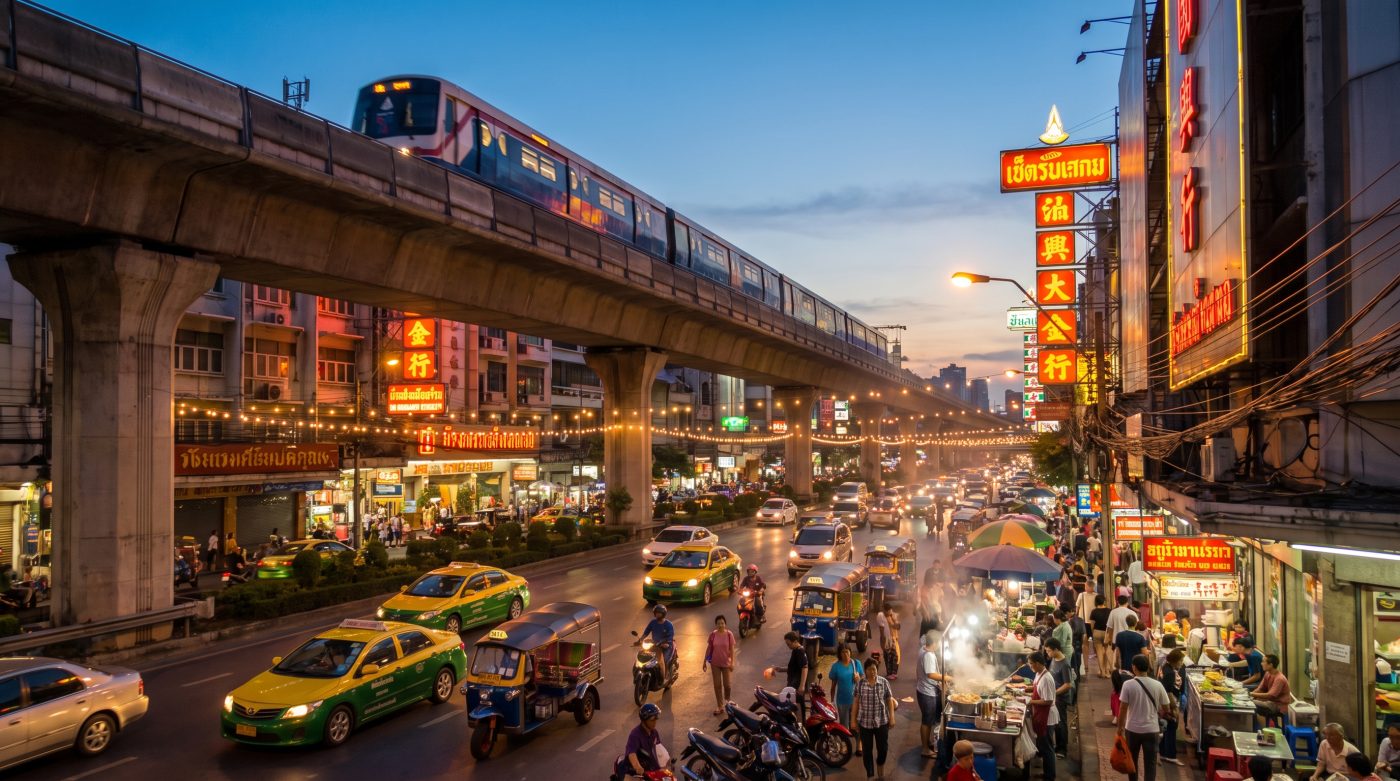
The quick answer: where should you stay in Bangkok?
- Sukhumvit — the safe default for most first-timers: BTS access, huge range of hotels, malls, and restaurants, easy airport connection.
- Silom / Sathon — more central and less touristy, closer to the river express boats and Lumpinee Stadium, feels more like a working city than a tourist strip.
- Old City (Rattanakosin) — walking distance to the Grand Palace and Wat Pho, but noisier, more touristy, and off the BTS/MRT network.
- Riverside — quieter, scenic, higher-end hotels with river views, but you're relying on ferries or taxis more than the train.
- Chinatown (Yaowarat) — best street food in the city and its own MRT stop, but chaotic, loud, and light on hotel variety.
- Khao San Road — cheap, social, backpacker-focused; genuinely fun for a couple of nights, not somewhere most people want to be based for a whole trip.
Sukhumvit — the safe default for most first-timers
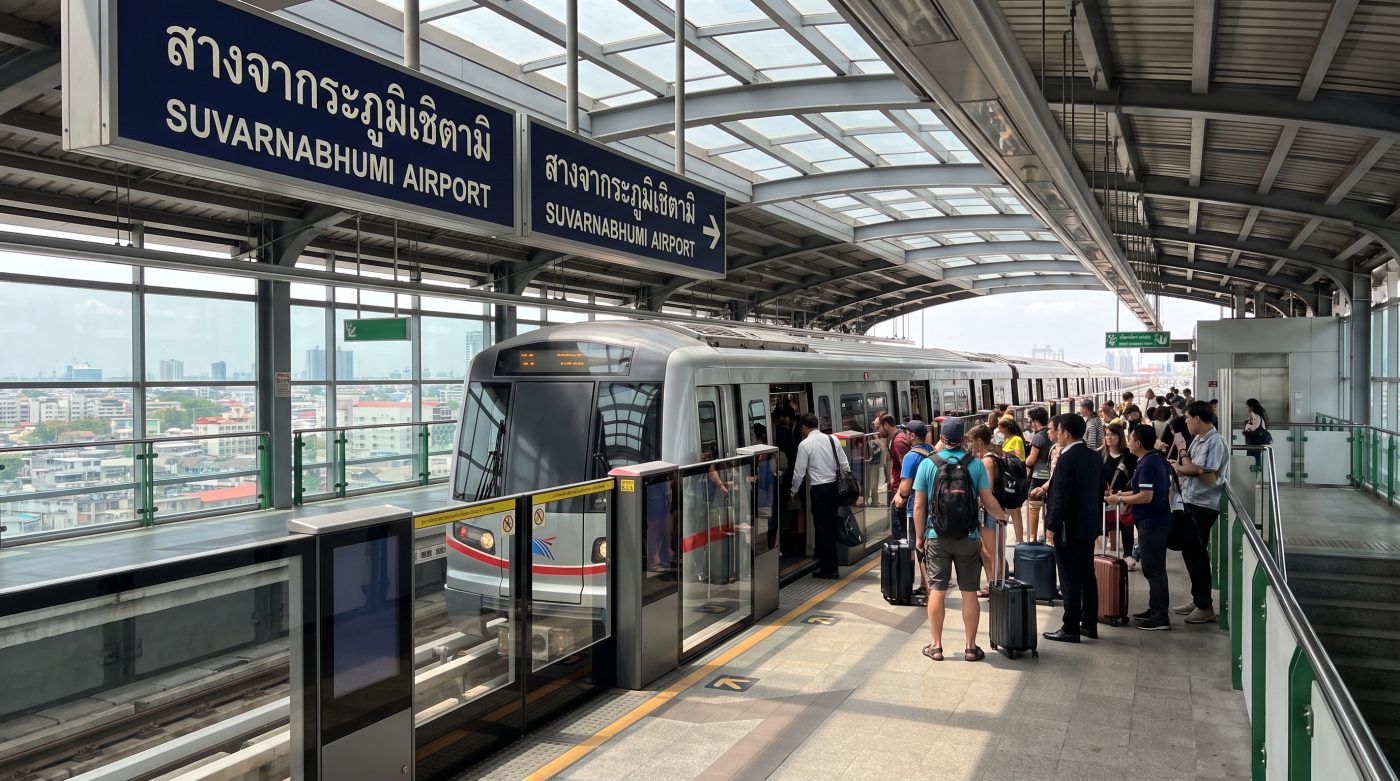
Sukhumvit is the neighborhood most first-time visitors end up in, and for a simple reason: it's the one area where you can book almost any hotel near almost any BTS station and know you'll be fine. The BTS Sukhumvit Line runs the length of it, connecting you to Siam's malls, the river ferries at Saphan Taksin, and (via the Airport Rail Link interchange) Suvarnabhumi Airport. It's also the most modern-feeling part of the city — glass towers, rooftop bars, 24-hour convenience stores, and a huge range of restaurants from street-cart noodles to fine dining.
The trade-off is that Sukhumvit is a long strip, and "Sukhumvit" can mean very different things depending on the soi (side street) number. Lower sois (Soi 1–21ish) are closer to Siam and the center; sois in the high 20s and beyond stretch toward Ekkamai and Thonglor, which are quieter, more residential, and popular with long-term expats rather than tourists. A few specific sois (11, 22) also have a heavier nightlife/red-light presence than others, which isn't a safety issue in the way people sometimes assume, but is worth knowing if it's not the vibe you want outside your hotel door at night.
Silom / Sathon — central, less touristy, closer to the river
Silom and the adjoining Sathon district sit on the MRT Blue Line, which loops through both the business district and the Old City, so it's arguably the most central single base in Bangkok. Travelers comparing Sukhumvit and Silom for a first trip often end up split roughly down the middle — Sukhumvit tends to win for sheer density of things to do, while Silom's advantage is that it's closer to the Chao Phraya Express Boat piers and to Lumpinee Stadium if watching a Muay Thai fight is on the list. Both are well connected to the rest of the city, so the honest answer for a lot of itineraries is that it doesn't matter enormously which one you pick.
Silom by day is a business district first, so it can feel quieter and less "designed for tourists" than Sukhumvit — some travelers prefer that, others find it less immediately walkable in the evenings once the office crowds clear out. At night, Silom's own strip (Patpong) has a red-light/night-market district similar in character to Sukhumvit's busier sois.
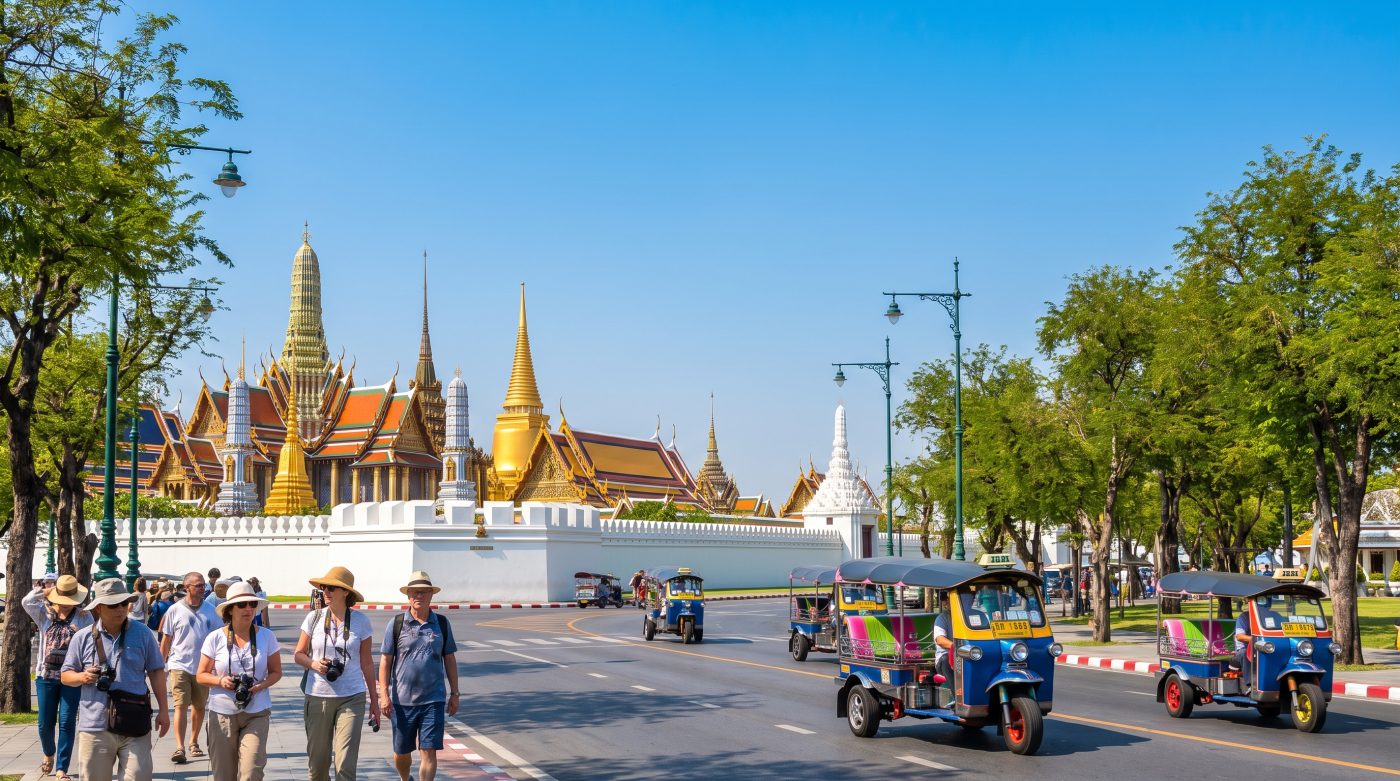
Bangkok Old City (Rattanakosin) — for temple-hopping and history
The Old City is where Bangkok actually started — the Grand Palace, Wat Pho, and Wat Arun (just across the river) are all within walking distance of each other here, which is genuinely convenient if temples and history are the main point of your trip. Accommodation tends to be smaller guesthouses and boutique hotels rather than international chains, and prices skew cheaper than Sukhumvit or Riverside.
The catch is transport: the Old City isn't on the BTS or MRT network, so getting anywhere else in the city means a taxi, a Grab ride, or the Chao Phraya Express Boat, and Bangkok's traffic can turn a short-looking trip into a long one at the wrong time of day. It's also genuinely one of the busier, noisier, more touristy parts of the city during the day, particularly right around the palace complex.
Should you stay right on Khao San Road?
Khao San Road sits inside the Old City and deserves its own answer, because it's a different proposition from the rest of the neighborhood. It's Bangkok's classic backpacker strip: cheap guesthouses, cheap food, cheap beer, and one of the easiest places in the city to meet other travelers heading the same direction (Chiang Mai, the islands, over the border into Laos or Cambodia). For a night or two at the start or end of a longer Southeast Asia trip, plenty of people genuinely enjoy it.
As a base for your whole Bangkok stay, it's a harder sell. The street is loud well past midnight, room quality is inconsistent even when prices look reasonable, and there's a visible sex-tourism and street-hustle presence nearby that some travelers find uncomfortable to be based around for an extended stay. If a lively, social, budget-first couple of nights sounds appealing, it delivers exactly that. If you're looking for a quiet home base for a week, look elsewhere on this list.
Riverside — the quieter, more scenic option
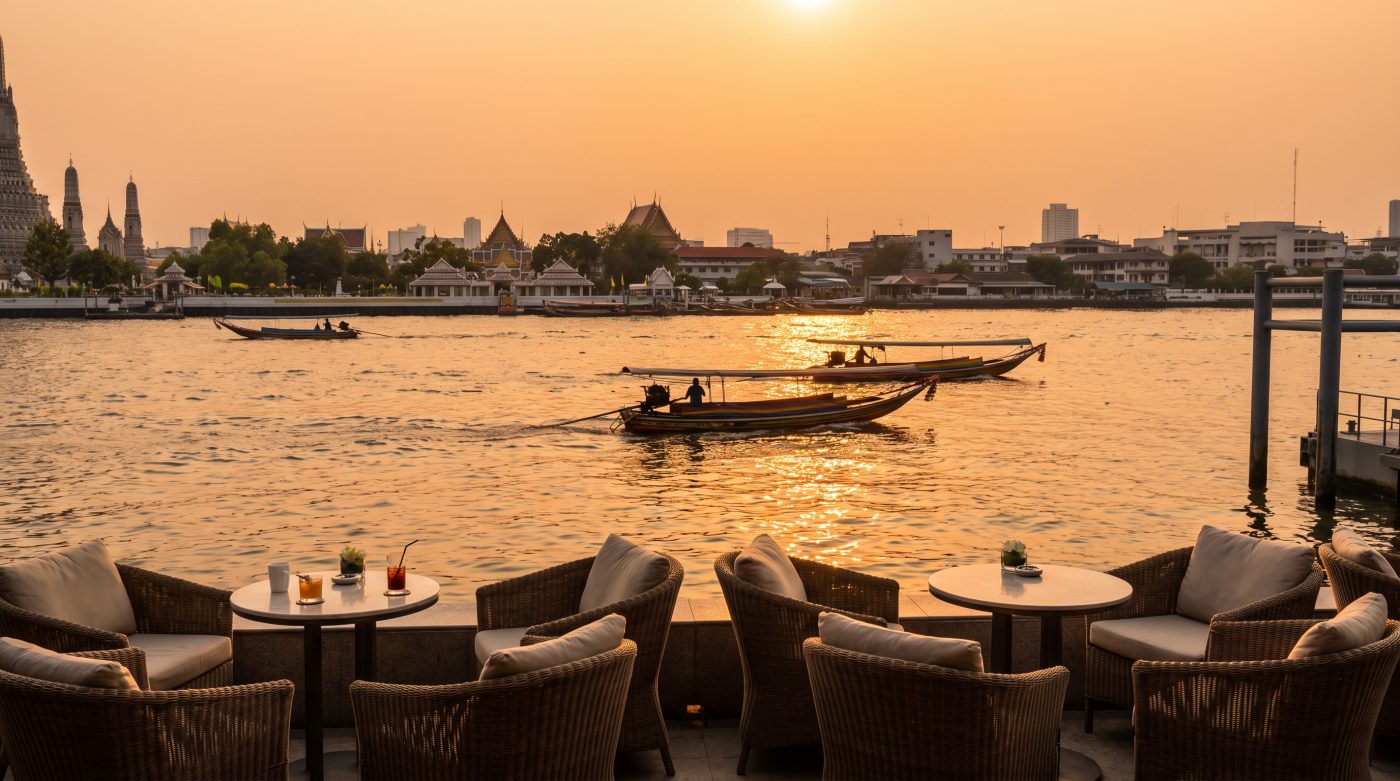
The Chao Phraya riverside, roughly from the Saphan Taksin BTS station south along the river, is where most of Bangkok's five-star hotels with actual river views are clustered. It's noticeably quieter than Sukhumvit or the Old City, and the Chao Phraya Express Boat (a public commuter ferry, not a tour boat) is a genuinely pleasant, cheap way to reach the Old City's temples without sitting in traffic.
The trade-off is the same as the Old City's: you're not on the BTS or MRT here, so anything outside the immediate riverside area means a boat, a taxi, or a longer walk than you'd expect. It also tends to be one of the pricier options, since the hotels leaning into river views are mostly in the luxury bracket.
Chinatown (Yaowarat) — for food-first travelers
Chinatown has its own MRT stop (Wat Mangkon), which makes it more connected than the Old City or Riverside despite the similar old-Bangkok feel. The draw here is almost entirely the food — Yaowarat Road turns into one of the best street-food strips in the city after dark, and it's a genuinely different, more chaotic, more sensory version of Bangkok than the malls and rooftop bars of Sukhumvit.
Hotel options are thinner and skew boutique rather than big chains, and the area is crowded and loud, especially at night when the food stalls are in full swing. It suits travelers who want a short, immersive stay somewhere with real character more than it suits anyone wanting a quiet, predictable base for a week.
Getting from the airport to your neighborhood
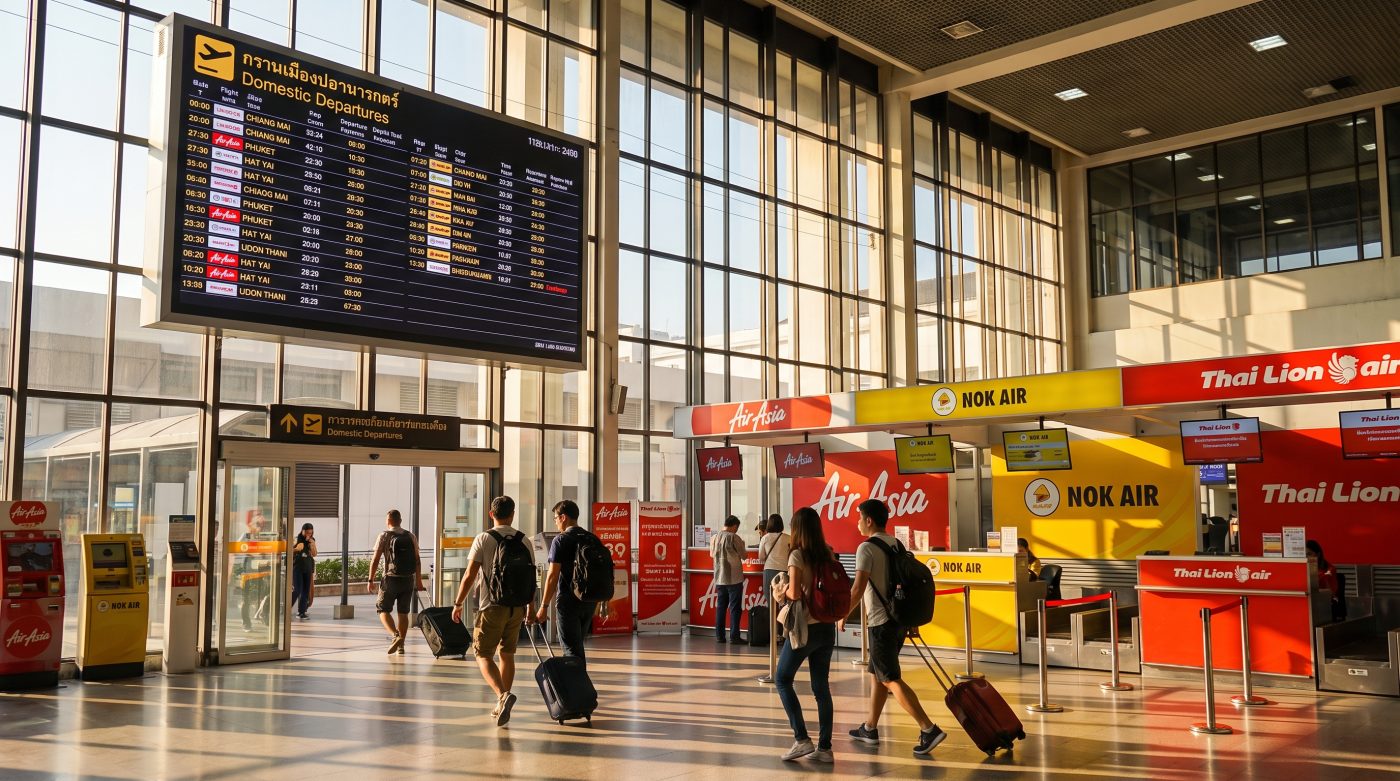
Bangkok has two airports, and which one you land at affects your neighborhood math a little. Suvarnabhumi (BKK) is the main international airport and connects directly to Sukhumvit via the Airport Rail Link into Phaya Thai, with an easy BTS transfer from there — it's the more convenient airport for Sukhumvit, Silom, and Riverside stays. Don Mueang (DMK), used mostly by budget carriers and some domestic/regional routes, sits further out and has less direct rail access, so a taxi, Grab, or pre-booked transfer is usually the more practical option regardless of which neighborhood you're headed to.
Either way, arriving late at night or with a lot of luggage is exactly when a pre-booked transfer is worth the small extra cost over queuing for the public taxi rank — you know the price upfront, the driver is waiting with your name, and you're not negotiating a fare at 1am after a long flight.
Landing at BKK or DMK and want your ride sorted before you land instead of queuing at the taxi rank? Compare pre-booked airport transfer prices for your exact route and pickup time.
Check transfer prices →A few practical booking tips before you commit
- Ask for a higher floor, away from the main road. Bangkok is a genuinely loud city at street level — traffic, construction, and nightlife noise carry more than you'd expect, in every neighborhood on this list.
- Check the season against your budget plans. Prices and crowd levels shift a lot month to month across all these areas — see our month-by-month breakdown of Thailand's weather, prices, and crowds if your dates are still flexible.
- Factor neighborhood into your overall budget. Sukhumvit and Riverside hotel prices run noticeably higher than the Old City or Chinatown for a comparable standard of room — our Thailand trip cost breakdown has real numbers by category if you're building a budget.
- Watch the burning season. Roughly February through April, seasonal agricultural burning pushes air quality down across the region, including Bangkok — not neighborhood-specific, but worth knowing if you have respiratory sensitivities and flexible dates.
- Short-term condo rentals are legally murky. Many Bangkok condo buildings restrict stays under 30 days regardless of what a listing shows — a licensed hotel or aparthotel avoids the risk of a booking getting cancelled on you.
Watch on VacaHack
Quick answers
What's the best area to stay in Bangkok for a first-time visitor?
Sukhumvit or Silom/Sathon are the safest first picks — both sit on the BTS/MRT network, have hotels in every price range, and put you within 20–40 minutes of most of the city's main sights.
Is Sukhumvit or Silom better for a first trip to Bangkok?
Both work well and are well connected by train — Sukhumvit has more density of restaurants, malls, and hotels, while Silom is more central and closer to the river ferries and Lumpinee Stadium. Many first-time itineraries genuinely don't need to choose between them.
Is it okay to stay on Khao San Road?
For a night or two at the start or end of a longer trip, plenty of travelers enjoy it — it's cheap, social, and easy to meet other travelers. As a base for a full week, most people are happier in Sukhumvit or Silom, since Khao San is loud late into the night and has a visible sex-tourism and street-hustle presence nearby.
Is Bangkok safe for solo travelers regardless of which neighborhood you pick?
Yes — every neighborhood covered here (Sukhumvit, Silom, the Old City, Riverside, Chinatown) is considered safe for tourists including solo travelers, day or night. Normal city precautions apply, but no area on this list should be avoided purely on safety grounds.
What's the best way to get from the airport to my hotel in Bangkok?
From Suvarnabhumi (BKK), the Airport Rail Link connects directly into the BTS network at Phaya Thai, making it the easiest option for Sukhumvit, Silom, or Riverside hotels. From Don Mueang (DMK), a taxi, Grab, or pre-booked transfer is more practical since rail access is limited. Late-night or heavy-luggage arrivals are usually easiest with a transfer booked ahead of time.
Why is Bangkok so noisy at night, and how do I avoid it?
Traffic, construction, and nightlife noise all carry more than expected at street level across the city. Requesting a higher floor away from the main road when you book is the simplest fix, regardless of which neighborhood you choose.